A Step-by-Step Guide to Planning Successful Business Events
By Humais Waqar, Marketing Head, Purrple Orryx Events · 22 Jul 2025 · 4 min read
Planning a corporate event? We plan and deliver corporate events end to end.
Planning a successful business event can feel overwhelming, but with a structured approach, it can also be incredibly rewarding. From securing a venue to logistical arrangements, each step matters in creating an event that meets your objectives and impresses your attendees. In this guide, we will take you through the essential steps to help you plan your business events successfully.
Understanding Business Events
Business events include conferences, trade shows, seminars, and corporate retreats. They serve various purposes, such as networking, team building, training, and promoting products or services. According to a report by the Event Marketing Institute, 84% of participants in events enhance their business relationships. Therefore, planning business events effectively can lead to lasting partnerships and increased visibility.
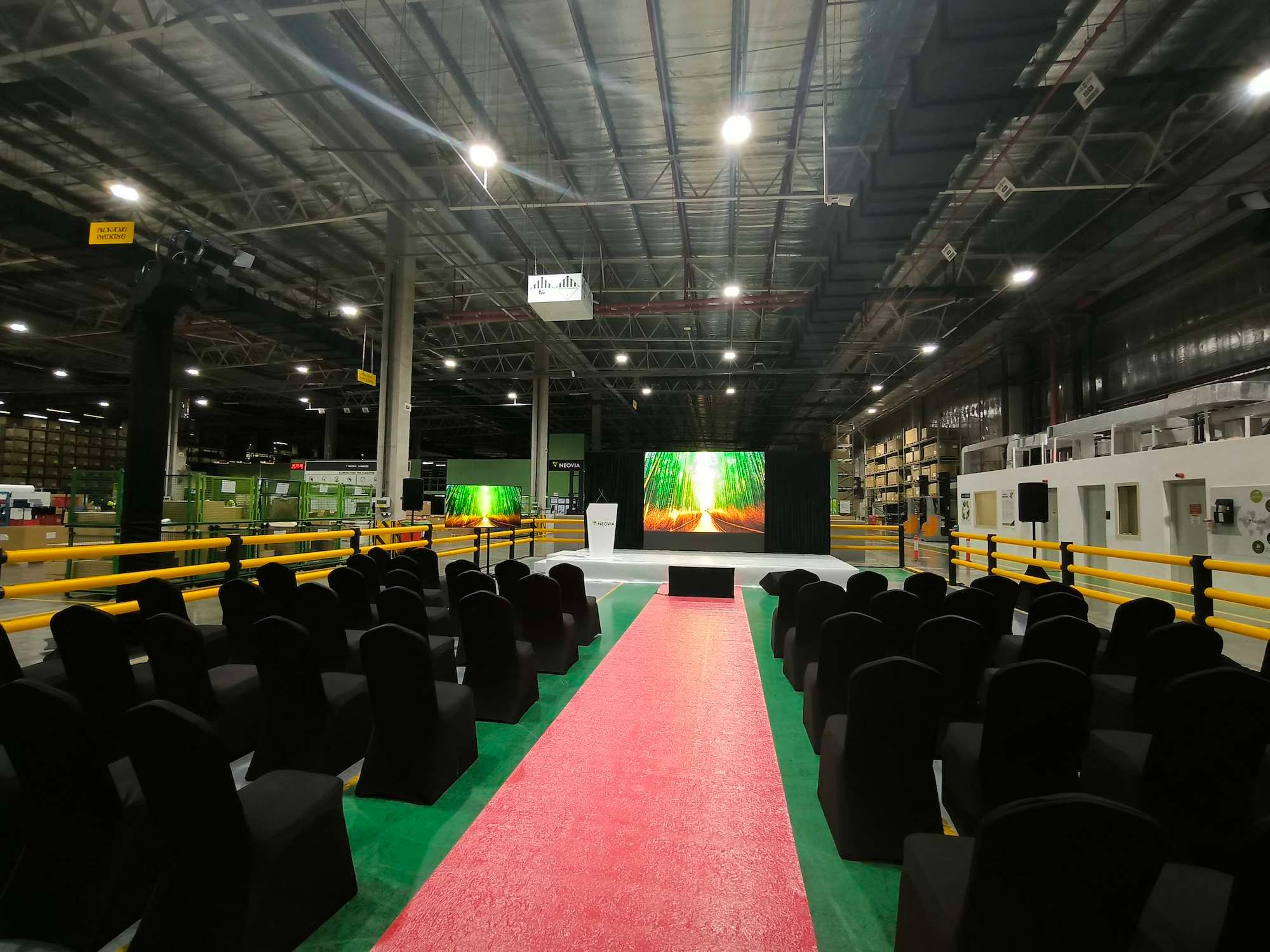
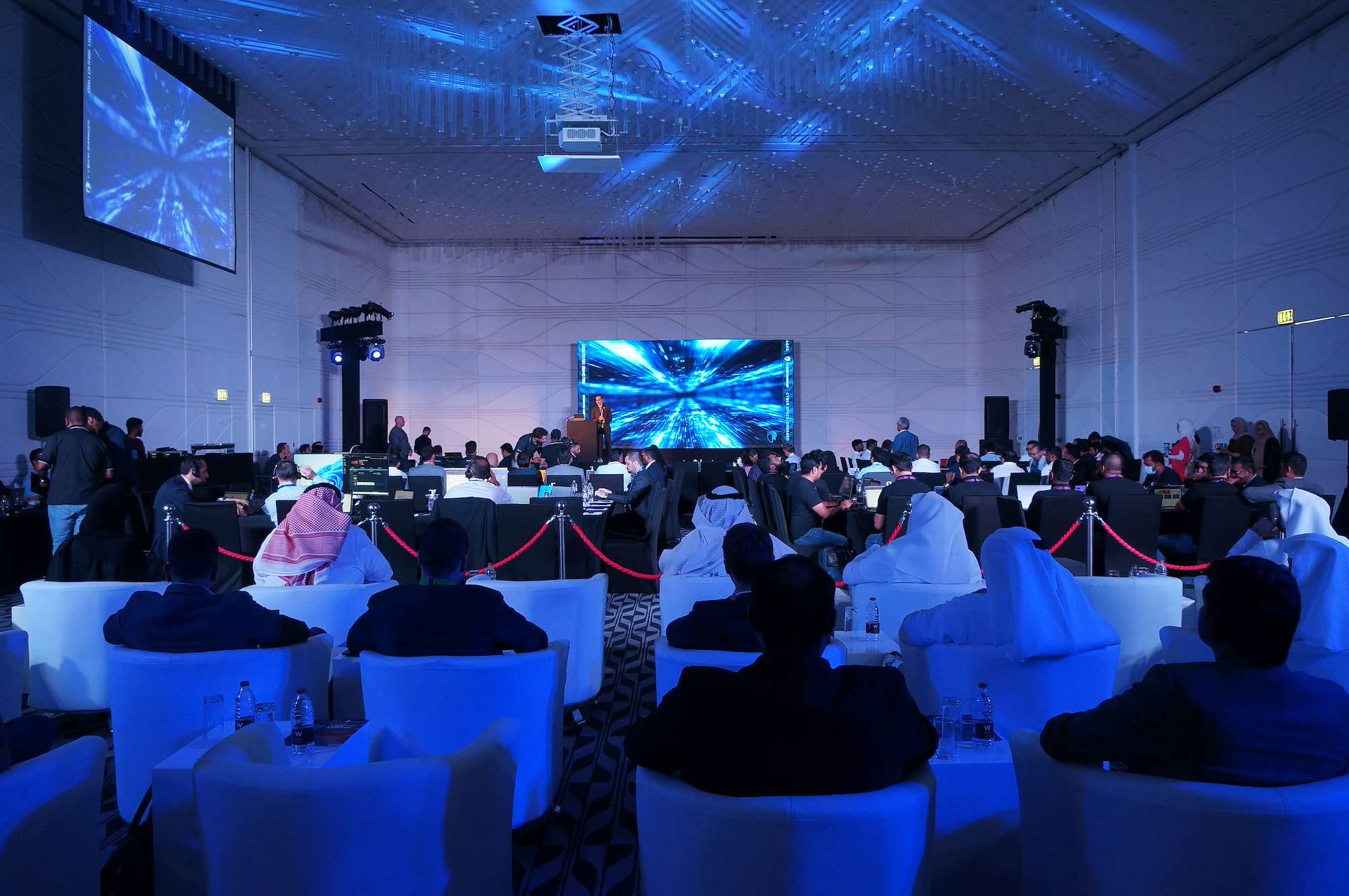
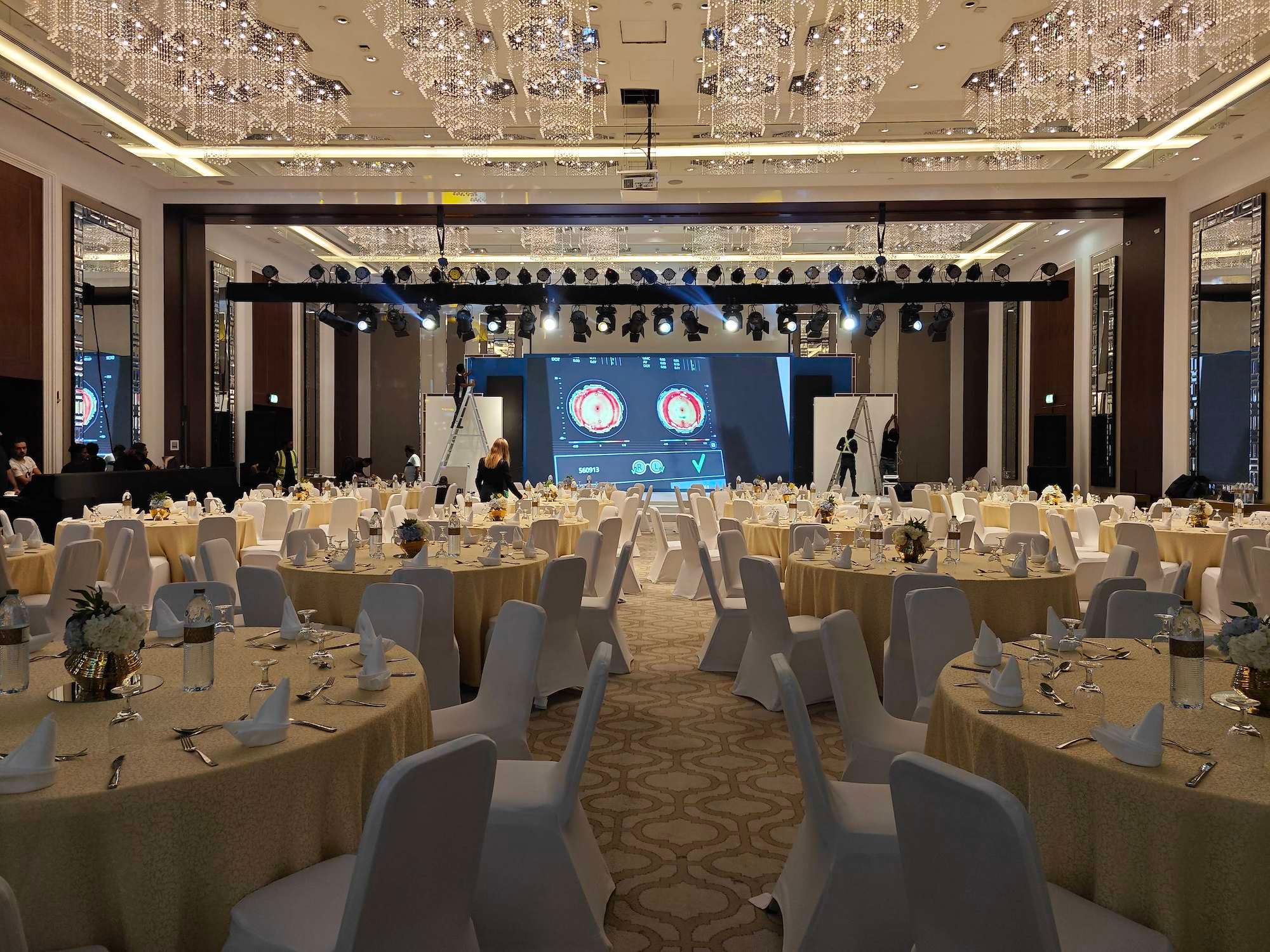
!High angle view of a conference setup with chairs and presentation screen
Define the Purpose and Goals of Your Event
Before diving into logistics, clearly define what you want to accomplish with your business event. Ask yourself critical questions:
- Why is this event being held?
- Who is the target audience?
- What are the specific goals? (e.g., branding, lead generation, networking)
For example, if you're organizing a product launch, your primary goal could be to generate excitement and attract potential customers. Aligning your events around clear objectives will help guide all your subsequent planning decisions.
What are the 5 C's of Event Planning?
Understanding the 5 C's of event planning can help streamline your approach and ensure that you cover all critical aspects:
- Concept: Brainstorm the main idea of your event. Consider themes, formats, and what makes your event unique.
- Coordination: Once you have the concept, start coordinating logistics. This includes venue selection, catering, audio/visual needs, and staffing.
- Communication: Develop a communication strategy to promote your event. Utilize email, social media, and traditional marketing to reach your audience effectively.
- Execution: On the day of the event, ensure everything runs smoothly. Have a checklist to monitor the progress and deal with any issues that arise.
- Evaluation: Post-event evaluation is crucial for future planning. Collect feedback from attendees through surveys to gauge the event's success and identify areas for improvement.
!Close-up view of an event planning whiteboard with colorful notes
Budgeting for Your Event
A well-planned budget is essential for successful business events. The first step is to outline all potential costs. This may include:
- Venue rental
- Catering services
- Marketing expenses
- Speaker fees
- Event insurance
After estimating these costs, it’s wise to allocate a contingency fund, typically around 10-15%, to cover unexpected expenses. Always track your spending against your budget throughout the planning process to avoid overspending.
Venue Selection and Logistics
Choosing the right venue can make or break your event. Consider the following factors:
- Location: Is it easily accessible for your attendees? Does it have ample parking and nearby accommodations?
- Capacity: Will it comfortably accommodate your expected number of guests?
- Amenities: Does it provide necessary equipment like AV setups, Wi-Fi, and seating arrangements?
Also, visit several venues before making a decision. Check for flexibility in arrangements and services offered, and never hesitate to negotiate terms.
!Eye-level view of a lush outdoor venue setting ready for an event
Promoting Your Event
Effective event promotion is key to maximizing attendance. Here are some strategies:
- Email Marketing: Send out invitations and reminders. Create an engaging email that captures the essence of the event.
- Social Media: Leverage platforms like LinkedIn, Facebook, and Twitter to spread the word. Use hashtags to increase visibility and create buzz.
- Partnerships: Collaborate with influencers or organizations that reach your target audience. This can enhance credibility and reach.
- Early Bird Discounts: Offer discounts for early registrants to encourage sign-ups.
Having a solid promotional strategy can help build anticipation and ensure a full house on the day of the event.
Day-of Coordination
On the event day, smooth operation is critical. Keep the following pointers in mind:
- Check-ins: Have a reliable system for attendees to check in quickly. This could include ticket scanning or simple registration desks.
- Event Timeline: Create a timeline that outlines what should happen at every part of the event. Make sure your team is well informed.
- Point of Contact: Designate a person or team to handle any last-minute issues. This keeps everything running smoothly without disrupting the experience.
Gathering Feedback and Measuring Success
After the event, your work isn't done yet. Gathering feedback is vital. Here’s how you can measure success effectively:
- Surveys: Send out brief surveys to attendees to assess their experience. Ask about what they enjoyed and areas for improvement.
- Attendance Numbers: Evaluate if your event met attendance goals.
- Engagement Levels: Look at metrics such as social media interactions, leads generated, and follow-up responses.
Using this information will help refine your future events and make them even more successful.
Final Thoughts
Planning a successful business event is a multifaceted endeavor. By following the steps outlined in this guide, you can create memorable experiences that not only meet your goals but also foster relationships. Remember, effective corporate event planning requires attention to detail, creativity, and adaptability. Stay organized and focused on your objectives, and you’ll be well on your way to success.
About the author: Humais Waqar, Marketing Head, Purrple Orryx Events. Humais Waqar leads marketing at Purrple Orryx Events, the Dubai corporate event management company, and writes about planning conferences, gala dinners, launches and team events in the UAE.