Event Coordination vs Event Management: Key Differences Explained Simply
By Humais Waqar, Marketing Head, Purrple Orryx Events · 23 Feb 2026 · 8 min read
Planning a corporate event? We plan and deliver corporate events end to end.
“Event coordination and event management may sound similar, but they play beautifully different roles in creating unforgettable experiences. Event management focuses on the big picture, building the vision, strategy, budget, and purpose behind the event. Event coordination, on the other hand, ensures every detail is executed flawlessly, managing logistics and solving problems in real time. One designs the dream, the other brings it to life, and together, they create moments people will cherish forever.”

When you attend a beautifully organized conference, a glamorous gala, or a heartfelt wedding celebration, everything seems effortless. The lights glow at the perfect moment. The sound is crystal clear. The guests are smiling.
But behind that seamless experience are professionals working tirelessly to make magic happen.
Two roles often confused in the events industry are event coordination and event management. While they work hand-in-hand, they are not the same. If you’re planning an event or considering a career in events, understanding the difference can save you time, money, and stress.
Let’s break it down simply and clearly.
What Is Event Management?
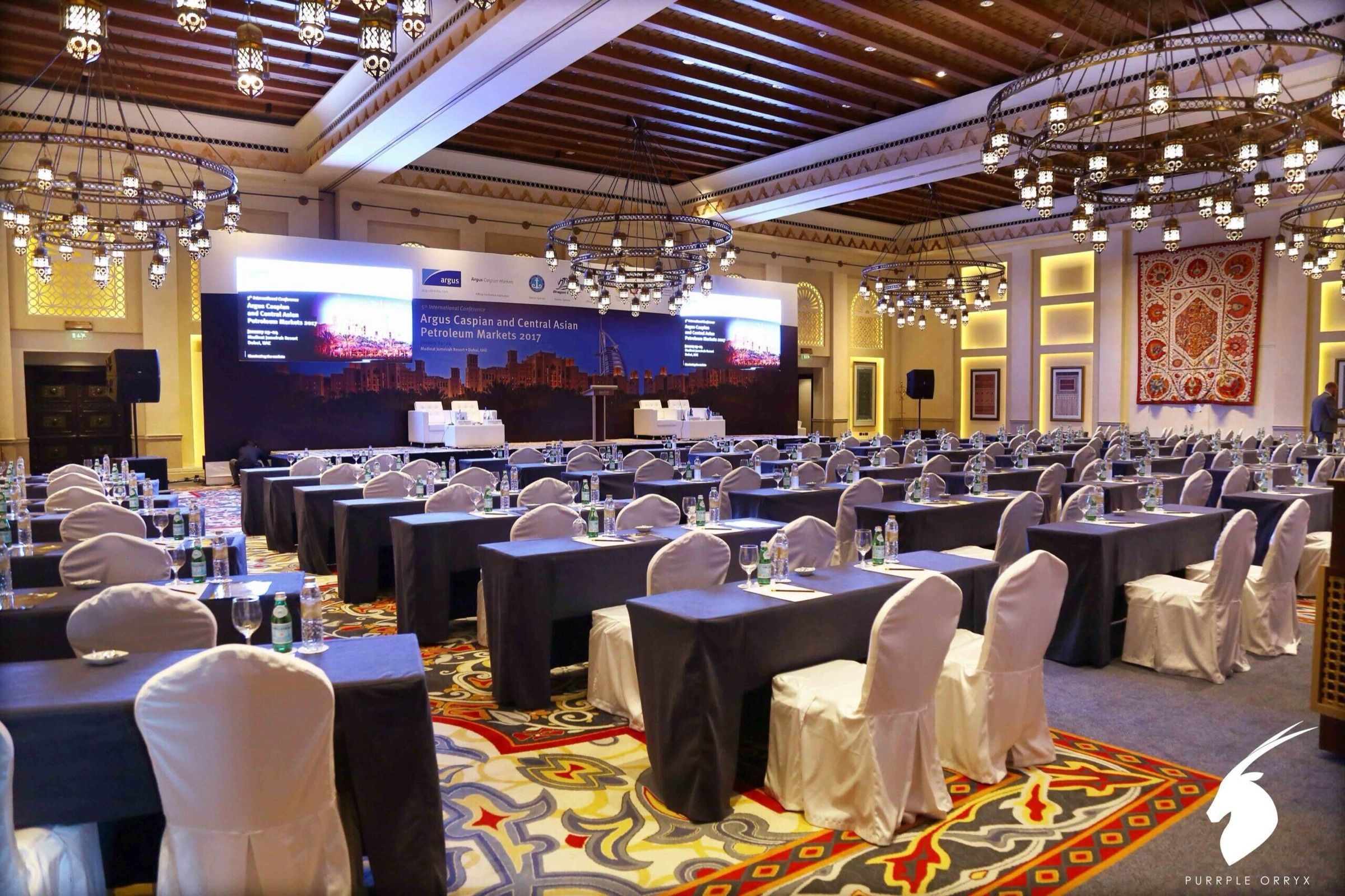
Event management is the big-picture strategy behind an event.
An event manager is the architect of the entire experience. They oversee everything from concept creation and budgeting to vendor negotiations and final execution. Think of them as the captain of the ship steering the vision, aligning teams, and ensuring the event achieves its purpose.
Core Responsibilities of Event Management:
- Event planning and strategy development
- Budget planning and cost control
- Vendor management and contract negotiation
- Risk assessment and contingency planning
- Marketing and promotions
- Timeline creation and supervision
- Team leadership
Event managers don’t just focus on how the event looks; they focus on why it exists and what results it should achieve.
Whether it’s a product launch, conference, exhibition, or wedding, event management ensures the event meets its objectives, audience expectations, and brand identity.
What Is Event Coordination?

Event coordination is all about execution and logistics.
An event coordinator ensures that every detail planned by the event manager is implemented flawlessly. They are on-site, hands-on, and constantly moving. If something goes wrong and something always does- they fix it before anyone notices.
Core Responsibilities of Event Coordination:
- Managing event logistics
- Supervising event setup and breakdown
- Coordinating vendors on-site
- Managing guest lists and registration
- Keeping the event on schedule
- Troubleshooting real-time issues
- Ensuring smooth communication
If event management is the brain, event coordination is the heartbeat.
Event Coordination vs Event Management: The Key Differences
Here’s a simple comparison to make things crystal clear:
| Area | Event Management | Event Coordination |
|---|---|---|
| Focus | Strategy & Vision | Execution & Logistics |
| Involvement | Pre-event + during event + post-event | Primarily during the event |
| Decision-Making | High-level decisions | Operational decisions |
| Budget Handling | Creates & controls budget | Ensures spending aligns |
| Client Interaction | Extensive planning discussions | On-site communication |
| Leadership Role | Leads the entire project | Leads the on-ground team |
In short:
- Event managers plan the journey.
- Event coordinators drive the vehicle.
Both roles are essential. Without management, there is no direction. Without coordination, there is no delivery.
How Event Coordination and Management Work Together

The most successful events happen when both roles collaborate seamlessly.
For example:
- During planning stages, the manager sets the timeline.
- The coordinator reviews it to ensure it's realistic on the ground.
- The manager negotiates vendor contracts.
- The coordinator ensures vendors arrive and perform as promised.
When planning large-scale experiences, especially in dynamic markets like Dubai, many clients rely on professional event management companies in Dubai to handle both roles under one roof for complete peace of mind.
Where Confusion Often Happens
People sometimes use the terms interchangeably, especially in smaller events where one person handles both responsibilities.
However, for large corporate conferences or luxury weddings, separating management and coordination prevents burnout and ensures excellence.
If you’re unsure which professional you need, understanding the type of event is crucial. Comparing corporate and social events can help clarify whether your event requires strategic business alignment, emotional experience curation, or both.
The Emotional Side of Events
Events are not just schedules and budgets.
They’re:
- A bride walking down the aisle.
- A CEO unveiling a groundbreaking innovation.
- A nonprofit raising life-changing funds.
- A team celebrating years of dedication.
Event management ensures the message is powerful. Event coordination ensures the moment feels effortless.
When both are done right, guests don’t see the hard work; they only feel the magic.
Key Skills Required for Each Role
Behind every breathtaking event is a team carrying invisible weight, the pressure of expectations, the fear of something going wrong, and the deep desire to create a moment people will never forget.
While event managers and event coordinators work toward the same goal, the skills they rely on every day are beautifully different. One builds the dream. The other protects it in real time.
Let’s explore these skills in depth.
Event Management Skills
Event managers operate at a strategic level. They are visionaries, negotiators, and leaders. Their role demands emotional intelligence, business awareness, and creative foresight.
1. Strategic Planning
Strategic planning is the soul of event management.
An event manager doesn’t just ask, “What do we want this event to look like?” They ask, “What do we want this event to achieve?”
Whether it’s increasing brand awareness, generating leads, celebrating milestones, or creating unforgettable emotional impact, the manager maps out a clear roadmap. They align goals, audience expectations, venue selection, programming, and marketing into one unified strategy.
Without strategic planning, an event may look good, but it won’t deliver results.
2. Financial Management
Every dream has a budget.
Event managers must balance ambition with reality. They create detailed budgets, forecast expenses, track spending, and ensure profitability or cost efficiency.
Financial management requires:
- Allocating funds wisely
- Anticipating hidden costs
- Negotiating competitive pricing
- Preventing overspending
- Ensuring ROI
It’s not just about saving money, it’s about investing in the elements that truly matter.
A well-managed budget protects both the client’s trust and the event’s success.
3. Leadership
Event managers are leaders long before the event begins.
They guide designers, marketers, coordinators, production teams, caterers, and vendors toward a shared vision. Leadership in events isn’t about control; it’s about clarity.
They must:
- Inspire confidence
- Make decisive choices
- Delegate responsibilities
- Resolve conflicts
- Motivate teams under pressure
When stress rises, the team looks to the manager for direction. Calm leadership turns chaos into coordination.
4. Marketing Strategy
An event without an audience is just a rehearsal.
Event managers often oversee marketing strategy to ensure the right people show up. This involves:
- Identifying target audiences
- Crafting promotional campaigns
- Managing social media and email marketing
- Coordinating media partnerships
- Tracking registration metrics
They understand positioning, branding, and messaging. Every event tells a story, and marketing ensures that the story reaches the right ears.
5. Vendor Negotiation
Vendors are the backbone of every event, including catering, staging, décor, technology, security, and more.
Event managers negotiate contracts with clarity and confidence. They assess quality, pricing, reliability, and alignment with the event’s vision.
Strong negotiation skills protect:
- Budget integrity
- Service quality
- Delivery timelines
- Legal compliance
The best managers build long-term vendor relationships based on trust and performance.
6. Risk Management
No event is free from risk.
Weather changes. Speakers cancel. Equipment fails. Deliveries run late.
An experienced event manager identifies potential risks long before they become problems. They create backup plans, insurance coverage, safety protocols, and contingency timelines.
Risk management isn’t pessimism, it’s preparation. It’s the invisible shield that protects the event’s reputation.
Event Coordination Skills
If event managers are architects, event coordinators are conductors. They stand in the center of the action, ensuring every moving part works in harmony.
Their skills are practical, immediate, and deeply human.
1. Attention to Detail
In event coordination, details are everything.
A misplaced name card. A delayed speaker introduction. A microphone that isn’t tested.
Small oversights can create big impressions.
Event coordinators monitor seating arrangements, décor alignment, lighting cues, registration lists, catering timing, and stage transitions with laser focus.
They notice what others overlook, and that’s what keeps events flawless.
2. Crisis Management
No matter how perfect the plan is, unexpected challenges arise.
An event coordinator must think fast and act faster.
If catering is late, they adjust schedules. If a guest has a complaint, they handle it gracefully. If equipment malfunctions, they coordinate immediate fixes.
Crisis management requires emotional control, quick thinking, and the ability to make confident decisions under pressure.
When everyone else feels panic, the coordinator becomes calm.
3. Communication
Event coordinators are in constant communication.
They speak with:
- Vendors
- Venue staff
- Clients
- Guests
- Technical teams
- Security personnel
Clear, confident communication prevents confusion. It ensures everyone knows where to be, what to do, and when to do it.
Good communication builds trust, especially on event day.
4. Time Management
Events operate on tight schedules.
Speeches must start on time. Meals must be served hot. Transitions must feel seamless.
Event coordinators manage minute-by-minute timelines. They keep everything flowing smoothly, adjusting in real time without disrupting the guest experience.
Time management is the invisible thread holding the event together.
5. Logistics Handling
Logistics are the backbone of execution.
Coordinators manage:
- Vendor arrivals and setup
- Equipment placement
- Guest check-in systems
- Seating layouts
- Transportation arrangements
- Event breakdown
They ensure that the right resources are in the right place at the right moment.
Logistics handling transforms strategy into reality.
6. Multitasking
During an event, a coordinator might:
- Answer a vendor call
- Guide a guest
- Adjust stage lighting
- Confirm catering timing
- Update the event manager
All within five minutes.
Multitasking isn’t optional; it’s essential.
They juggle responsibilities while maintaining composure and professionalism.
The Technical Foundation of Both Roles
No matter how creative the vision or how flawless the execution, technical elements can make or break an event.
Both event managers and coordinators rely heavily on:
- Professional sound systems in events
- Lighting design
- Stage production
- AV equipment
- Power backup systems
- Live streaming technology
Imagine a keynote speaker stepping onto the stage and the microphone fails.
Or a wedding dance moment, and the music cuts out.
Technical execution is not just equipment, it’s emotion. It amplifies voices, highlights moments, and creates atmosphere.
Event managers ensure the right technical partners are hired. Event coordinators ensure everything works perfectly on the day.
Together, they protect the experience.
The Heart Behind the Skills
At their core, both roles require something deeper than technical knowledge.
They require:
- Passion
- Resilience
- Emotional intelligence
- Dedication
Events are not just projects. They are memories in the making.
The applause at the end of a conference. The tears during a wedding vow. The pride in a successful product launch.
Those moments are built on skill, teamwork, and countless hours of preparation.
When event management and event coordination work in harmony, strategy meets execution, and vision meets reality.
And that’s when events stop being gatherings… And start becoming unforgettable experiences.
When Do You Need Event Management vs Event Coordination?
You Need Event Management If:
- You’re starting from scratch.
- You need concept creation.
- Budget planning feels overwhelming.
- You want measurable ROI from your event.
You Need Event Coordination If:
- Your event plan is ready.
- You need someone to execute it smoothly.
- You want stress-free on-site supervision.
- You’re managing a mid-sized event with defined goals.
For outdoor celebrations, combining both roles becomes even more critical. Following proper steps to outdoor event planning success ensures that weather, permits, safety, and logistics are handled professionally.
Why Professional Support Makes a Difference
Planning an event in a competitive market like Dubai can be intense. From luxury expectations to world-class production standards, the margin for error is slim.
Understanding the benefits of hiring an event planner in Dubai can help you avoid common pitfalls, reduce stress, and deliver experiences that truly stand out.
Because at the end of the day, your event isn’t just a gathering, it’s your reputation.
Final Thoughts
Event coordination and event management are two sides of the same coin.
One creates the blueprint. The other brings it to life.
If you want an event that feels effortless, memorable, and impactful, you need both strategy and execution working in harmony.
The truth is, guests may never see the chaos behind the curtain. But they will always remember how your event made them feel.
And that feeling is built by professionals who understand the difference.
FAQs
Q1. Can one person handle both event coordination and event management?
A: Yes, for smaller events. However, larger events benefit greatly from having separate professionals to ensure strategic focus and flawless execution.
Q2. Is event management a higher position than event coordination?
A: Generally, yes. Event management involves broader responsibilities and leadership, while coordination focuses more on implementation.
Q3. Which role is more stressful?
A: Both can be stressful in different ways. Managers handle strategic pressure and budgeting. Coordinators handle real-time problem-solving during the event.
Q4. Do corporate events require both roles?
A: Absolutely. Corporate events often require strong strategic alignment (management) and seamless logistics (coordination) to ensure brand credibility and ROI.
Q5. How do I choose the right professional for my event?
A: Start by defining your needs. If you need planning from the ground up, hire an event manager. If you already have a plan and need execution support, hire an event coordinator.
About the author: Humais Waqar, Marketing Head, Purrple Orryx Events. Humais Waqar leads marketing at Purrple Orryx Events, the Dubai corporate event management company, and writes about planning conferences, gala dinners, launches and team events in the UAE.