The Ultimate Step-by-Step Guide to Conference Planning in 2026
12 Nov 2025 · 6 min read
Planning a corporate event? We plan and deliver conferences & summits end to end.
It is not just about planning an event but creating a strong platform of learning, collaboration, and growth, which is what planning a successful conference is all about. Conference planning now takes on a different dimension of significance and difficulty in 2026 due to the emergence of new technologies, various expectations of the attendants, and the changing global trends.
Be it your first-ever conference or even a plan to make the strategy more effective, the following guide illustrates a detailed, step-by-step approach on how to arrange an experience that is memorable by all means and covers the budget at the same time without compromising your objectives.
We are going to take a step-by-step tour of the process, starting with planning to execution, and more.
What Is Conference Planning?
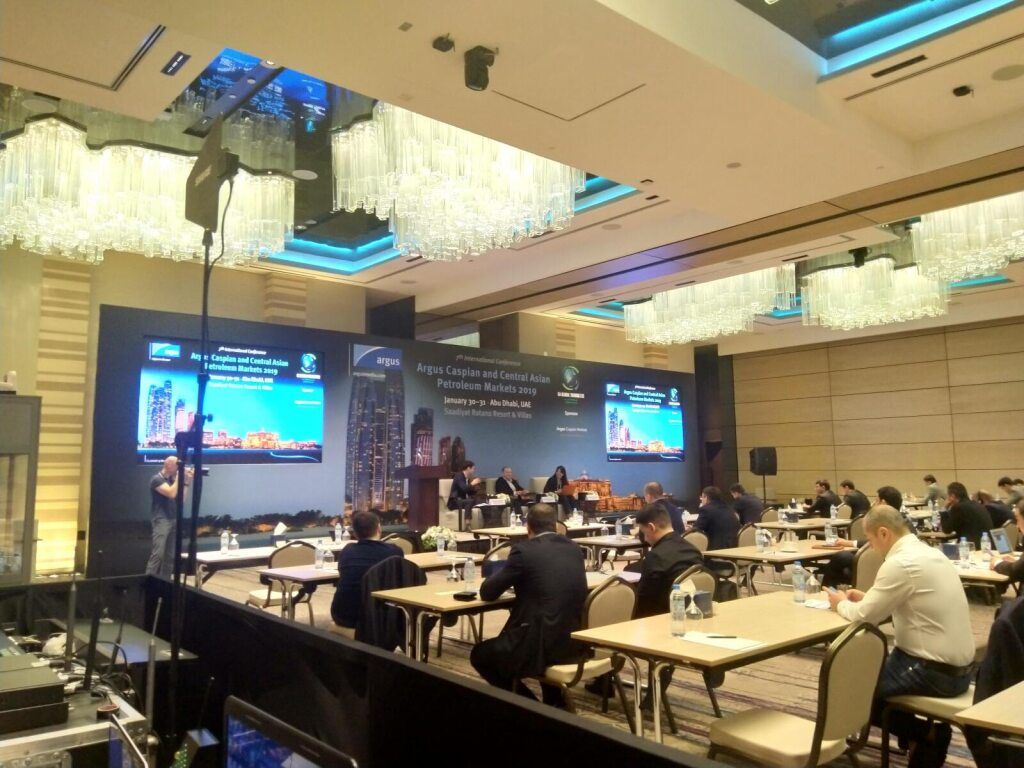
Conference planning is the planning process that is strategic and involves the planning, coordination, and management of a gathering or event that has a common cause. Great conferences are always valuable, regardless of whether they are to educate, inspire, or connect.
Effective planning of a conference in 2026 will require creativity, technology-minded solutions, and an active approach towards the audience. Every step is important, starting with the selection of the appropriate venue and ending with the utilization of event software.
What Makes a Good Conference Plan?
An effective conference plan is more of a living document than a checklist; it is more of a guide that should conform to your event as it progresses. It helps you make sense of your intentions, it helps you create order in your schedule, and it helps you delegate in a sphere where it makes the most sense. As it constantly gets updated and changed, it becomes the pulse of your event that begins with the seed of an idea to the close.
Here’s what makes a conference plan truly effective:
Forming the Right Team: The first step is to form a dedicated team of persons with roles being established. The remaining process will proceed with the rest, knowing what they are expected to be doing.
Setting Specific Goals: Specific goals should be used, that is, SMART goals, namely specific, measurable, achievable, relevant, and time-bound. These make sure that your planning is on track, and they help in keeping track of success.
Know Your Audience: You need to take time and figure out who you are inviting. When you are already acquainted with your audience, you can create the content and promotional strategy and manage to reach them.
Making a Realistic Budget: Note down all the costs you are bound to pay, such as speakers and tech support. The studies are about sponsorship and other means to stay afloat.
Choosing the Ideal Location and Format: Choose the location and the format that fit your event (live, virtual, or hybrid), depending on the purpose and needs of your audience.
The Appeal of Modern Technology: Planning is straightforward using software such as Event-Works by Wiz-Team. Their platform offers organizers every page they need, such as pre-event logistics, real-time communication, and post-event statistics. It is not merely about the procedure of setting up an event but the entire process of enhancing the experience.
The 3 Main Phases of Conference Planning
Like any large project, conference planning is broken into three core phases:
1. Pre-Planning (Foundation Phase)
This stage occurs 6 to 12 months before the event and determines the course of all the other parts of it. It is all about setting goals, creating a team, determining the budget, selecting a venue, and creating a program agenda.
2. On-Site Management (Execution Phase)
This is a time when it all culminates on the real event day, from registration and arrival of attendants to speaker preparation and technology flow.
3. Post-Event Analysis (Reflection Phase)
Once the event is over, debriefing on results, measuring the impact, collecting feedback, and compiling the improvement plans take time.
15 Steps to Follow for a Successful Conference in 2026
Phase 1: Laying the Foundation (Pre-Planning Phase)
Step 1: Identify Your Conference Goals
What is your reason for organizing this conference? Specify what it is you want to do: increase brand awareness, generate leads, connect professionally, and become a thought leader, and ensure you have specific and measurable objectives.
Track KPIs like:
- Registration numbers
- Session attendance
- Attendee satisfaction
- Leads generated
- Brand impact
Step 2: Create a Detailed Conference Budget
Budgeting is where most events succeed or fail. Plan your costs early.
Break down expenses like
- Venue rental
- Speaker fees
- Tech setup
- Catering and hotels
- Marketing
- Staffing
- Swag and branded materials
Set aside at least 10% for unexpected expenses to avoid stress down the line.
Step 3: Choose the Right Venue and Date
The right venue can make or break your event experience.
Consider:
- Accessibility and transport
- Room capacity
- Amenities (Wi-Fi, AV, breakout spaces)
- Hybrid-friendly infrastructure
Want cost savings? Host your conference during a non-peak season.
Step 4: Build a Stellar Planning Team
A great conference needs a great team. Key roles may include:
| Role | Responsibility |
|---|---|
| Event Director | Overall coordination |
| Logistics Lead | Venue, vendors, transport |
| Speaker Manager | Outreach and coordination |
| Marketing Lead | Promotions and advertising |
| Volunteer Coordinator | Staff scheduling and support |
Delegate wisely and communicate often. Weekly check-ins are essential.
Step 5: Structure Your Conference Agenda
A well-planned schedule keeps attendees engaged, informed, and inspired.
Include:
- Opening and closing keynote speakers
- Panel discussions
- Breakout sessions and workshops
- Networking and Q&A time
- Relaxation or social activities
- Education tracks for targeted audiences
Plan it like a story: start strong, build momentum, and close with impact.
Phase 2: Making It Happen (On-Site Execution)
Step 6: Smooth Registration and Check-In
Your check-in process sets the tone.
- Use a digital registration platform immediately accessible upon arrival.
- Offer badge scanning, auto-printing, or mobile check-ins.
- Keep clear signage and welcoming staff on hand.
Step 7: Create a Memorable Attendee Experience
Make every attendee feel seen and supported. Focus on:
- Ease of navigation with signage and maps
- Helpful volunteer staff or info booths
- Healthy meals and breaks
- Thoughtful welcome kits and swag
Step 8: Deliver Efficient Speaker & Session Management
Help your speakers shine:
- Prepare speaker checklists and timelines
- Offer AV support and a greenroom if possible.
- Keep sessions on time and transitions tight.
Step 9: Monitor and Adjust Event Flow
Stay alert and adaptable.
- Watch for bottlenecks or audience energy drops.
- Make quick adjustments to the schedule via the event app or screen announcements.
Step 10: Manage Tech and Logistics
Double-check everything:
- AV systems, microphones, lighting, Wi-Fi
- Livestream setup (if hybrid or virtual)
- Technical support is on standby at all times.
Your event management software should also streamline coordination between you and your team.
Phase 3: Optimize & Evolve (Post-Event Reflection)
Step 11: Collect Attendee and Speaker Feedback
Send a post-event survey right away. Ask about:
- Favorite sessions and key takeaways
- Event logistics and convenience
- Overall satisfaction
- Suggestions for next time
Check social media chatter to gauge real-time sentiment.
Step 12: Evaluate Results Against Your Goals
Review your success metrics:
- How many attended?
- What was the event engagement level?
- Did you generate sales leads or partnerships?
Step 13: Reconcile the Budget
Track real vs. projected budget. Use this for better planning in the future.
Step 14: Measure ROI
It’s not just about costs; it's about value.
- Leads generated
- New partnerships
- Sales growth
- Brand recognition and press exposure
Step 15: Use Insights to Plan Your Next Event
Record all the things, your victories, difficulties, and thoughts, and use them the next time. As you hold every conference, your strategy gets stronger.
Final Thoughts
The 2026 conference planning is an attractive combination of strategy, creativity, integration of technology, and people-centric design. Even the most complicated events could become remarkable experiences that cause discussions, relationships, and transformation with the appropriate attitude and tools.
This guide provides a roadmap to help you achieve value upon completion, regardless of whether you are a pro or a beginner, and you may make a significant impact with confidence in every step you take.
FAQs
Q1. To what degree are you planning a conference?
A: The general planning of conferences, finding a venue, booking speakers, and planning logistics takes a period of 6-12 months.
Q2. What is the average cost of a conference?
A: It is various in size, position, individuals, and objectives. Mid-sized conferences are between 50,000 and 200,000 and above.
Q3. What can I do to make the attendees more engaged?
A: Entertaining activities, e.g., live polling, network software, breakout activities, and question-answer features, will help to keep the interaction alive.
Q4. What devices does an individual possess during a contemporary conference?
A: Hybrid streaming software, attendee applications, event management programs, and a real-time analytics dashboard will be needed in 2026.
Q5. Does it require the hiring of a professional conference planner?
A: Event management companies will save time and stress and give you superior results in the event of a large-scale or high-profile event.