Eid ul-Fitr: Its Importance and Traditions
By Humais Waqar, Marketing Head, Purrple Orryx Events · 19 Mar 2026 · 9 min read
Planning a corporate event? We plan and deliver corporate iftars end to end.
“Eid ul-Fitr is a deeply meaningful celebration that marks the end of Ramadan, bringing joy after a month of patience, prayer, and self-reflection. It’s a time of gratitude, unity, and spiritual renewal, where families come together, and hearts reconnect. Beyond the festivities, Eid reminds us to carry forward kindness, faith, and compassion. It’s not just a day of celebration, but a beautiful reflection of growth and devotion.”
Key Takeaways
- Eid ul-Fitr is not just a celebration; it’s a heartfelt reward after a month of patience, faith, and self-discipline.
- It reflects personal growth, reminding us how much we’ve changed spiritually during Ramadan.
- The essence of Eid lies in gratitude, kindness, and reconnecting with Allah and loved ones.
- Acts like Zakat al-Fitr and sharing joy highlight the importance of compassion and community.
- Eid encourages forgiveness, fresh beginnings, and holding on to the good habits we built.
- True happiness of Eid comes not from what we receive, but from what we feel and give.
There’s something deeply emotional about the end of Ramadan. After a month filled with patience, reflection, and quiet moments of faith, Eid al-Fitr arrives like a breath of joy. It’s not just a celebration, it’s a reward. A reminder that every sacrifice, every fast, and every prayer was seen and valued. Eid brings people together in the most beautiful way, reconnecting hearts, strengthening families, and spreading happiness that feels truly earned.
For Muslims around the world, Eid al-Fitr is more than just a festival. It’s a moment of gratitude, a time to reflect on personal growth, and an opportunity to share blessings with others. From early morning prayers to heartfelt gatherings, every part of Eid carries meaning and tradition.
What is Eid al-Fitr?
Eid ul-Fitr, often called the “Festival of Breaking the Fast,” marks the end of Ramadan. It falls on the first day of Shawwal, the tenth month of the Islamic calendar. Unlike the Gregorian calendar, the Islamic calendar follows the lunar cycle, which is why Eid shifts earlier each year by about 10–11 days.
This special day begins after the sighting of the crescent moon. It signals the end of fasting and the start of celebration. After weeks of discipline and devotion, Eid is a day to relax, rejoice, and reconnect.

Why Eid al-Fitr Holds Deep Importance
Eid is not just a celebration. It’s a moment filled with meaning, emotion, and quiet reflection. After a full month of fasting from dawn to dusk, Muslims don’t just step into a day of joy; they step into a moment of transformation. Ramadan changes people in subtle but powerful ways, and Eid becomes a mirror of that journey.
During Ramadan, every day requires patience. Every fast test your discipline. Every prayer pulls you closer to Allah. By the time Eid arrives, there’s a sense of inner calm, a feeling that something within you has shifted for the better. It’s not just about completing a religious duty; it’s about becoming more mindful, more compassionate, and more aware of the blessings you once overlooked.
It Celebrates Spiritual Growth After Ramadan
Eid is, in many ways, a celebration of who you’ve become over the past month. The long hours of fasting, the late-night prayers, the effort to control your words and actions, all of it shapes your character. You learn to be patient when you’re tired, kind when you’re tested, and grateful even when things feel difficult.
When Eid arrives, it feels like a reward. Not in a material sense, but in a deeply spiritual way. There’s peace in knowing you tried your best, that you stayed committed, and that you strengthened your connection with Allah. That feeling alone makes Eid incredibly meaningful.
It Strengthens Community Bonding and Unity
Eid has a beautiful way of bringing people together. Families gather, friends reconnect, and even strangers greet each other with warmth and sincerity. The sense of unity is something you can feel in the air.
After a month where everyone shares the same experience of fasting and عبادت (worship), Eid becomes a shared celebration. Standing shoulder to shoulder in Eid prayer, exchanging smiles, and visiting loved ones all create a deep sense of belonging. It reminds us that we are not alone, we are part of a community that supports and uplifts one another.
It Reminds Us to Show Gratitude to Allah
Gratitude sits at the heart of Eid. After experiencing hunger and thirst during Ramadan, even the simplest blessings begin to feel extraordinary. A glass of water, a shared meal, a moment of rest, all of it feels different.
Eid teaches you to pause and reflect. To recognize that everything you have is a gift. It’s a day to thank Allah not just for helping you complete Ramadan, but for every small and big blessing in your life. That sense of gratitude softens the heart and brings a kind of peace that stays long after Eid is over.
It Promotes Charity and Generosity (Zakat al-Fitr)
One of the most powerful aspects of Eid is the emphasis on giving. Before the Eid prayer, Muslims give Zakat al-Fitr, ensuring that even those who are struggling can take part in the celebration.
This act of charity is more than an obligation. It’s a reminder that joy should be shared. That no one should feel left out on a day meant for happiness. It builds empathy and keeps us connected to the realities of others. In giving, you don’t lose anything; you gain perspective, humility, and a deeper sense of purpose.
It Encourages Forgiveness and Fresh Beginnings
Eid also carries the spirit of renewal. It’s a time to let go of grudges, to forgive, and to move forward with a clean heart. Just as Ramadan encourages self-reflection, Eid encourages emotional healing.
Reaching out to someone you haven’t spoken to, mending broken relationships, or simply choosing peace over conflict, these are all part of what makes Eid so meaningful. It’s like turning a new page, one filled with hope, kindness, and better intentions.
Eid is a gentle reminder that after hardship comes ease. The long days of fasting, the effort, the discipline, none of it goes unnoticed. Eid arrives as a quiet reassurance that every struggle has a purpose, and every sacrifice carries a reward.
It teaches that true success is not just in celebration, but in growth. In becoming better than you were before. And in holding on to that goodness even after the festivities fade.
The Spiritual Essence of Eid
At its heart, Eid al-Fitr is not about food, clothes, or even celebration. It’s about gratitude. A deep, overwhelming sense of thankfulness that fills the soul after a month of patience, discipline, and devotion. Gratitude for the strength to fast, for the ability to stay consistent in worship, and for the chance to grow closer to Allah.
After days of hunger and nights of prayer, Eid arrives with a quiet kind of peace. It’s the feeling that your efforts mattered. That every small act of عبادت (worship), every moment of restraint, every whispered dua was seen and accepted. That alone makes Eid deeply emotional and spiritually fulfilling.
The Power of Eid Salah
The day of Eid begins with one of the most beautiful and unifying acts of worship, Eid Salah. It’s not just a prayer. It’s an experience.
Imagine standing in a large gathering, surrounded by people from all walks of life. Different backgrounds, different stories, yet all connected by the same faith. Shoulder to shoulder, everyone bows and prostrates together, thanking Allah for guiding them through Ramadan.
There’s something incredibly powerful about that moment. No titles, no status, no differences, just unity. Just humility. Just gratitude. It reminds you that you are part of something bigger, a global community bound by faith and shared purpose.
Continuing the Spirit of Ramadan
Eid is often seen as the end of Ramadan, but in reality, it’s a continuation of everything Ramadan taught you. The habits you built, the discipline you practiced, and the connection you strengthened with Allah are meant to carry forward.
On this day, Muslims naturally increase acts of worship, not out of obligation, but out of love and sincerity.
- Dua (Supplication): Hearts feel softer on Eid. There’s a stronger urge to turn to Allah, to ask, to thank, and to hope. After a month of spiritual connection, making dua feels more personal, more meaningful.
- Dhikr (Remembrance of Allah): The tongue remains busy with words of praise and gratitude. Saying “Alhamdulillah” or “Allahu Akbar” feels deeper, as if every word carries the weight of a month’s worth of reflection.
- Acts of Kindness and Compassion: Eid naturally brings out generosity. Smiles are shared more easily. People give more freely. Whether it’s helping someone in need, visiting relatives, or simply spreading happiness, kindness becomes second nature.
A Celebration Beyond the Physical
What makes Eid truly special is that it goes beyond the physical celebration. Yes, there is food. Yes, there are gatherings. But beneath all of that is a spiritual depth that gives Eid its true meaning.
It’s the joy of knowing you stayed committed. It’s the comfort of feeling closer to Allah. It’s the hope that your efforts have been accepted.
Eid becomes a moment where the heart feels full, not because of what you have, but because of what you’ve gained spiritually.
Holding Onto the Connection
Perhaps the most important part of Eid is this: not letting go of what Ramadan gave you.
The patience you learned, the discipline you built, the connection you felt with Allah, all of it is meant to stay. Eid is not a finish line. It’s a reminder to keep going.
Because in the end, Eid is not just about celebrating the end of fasting. It’s about carrying forward a renewed faith, a softer heart, and a stronger connection with Allah into the rest of your life.
Traditions That Make Eid Special
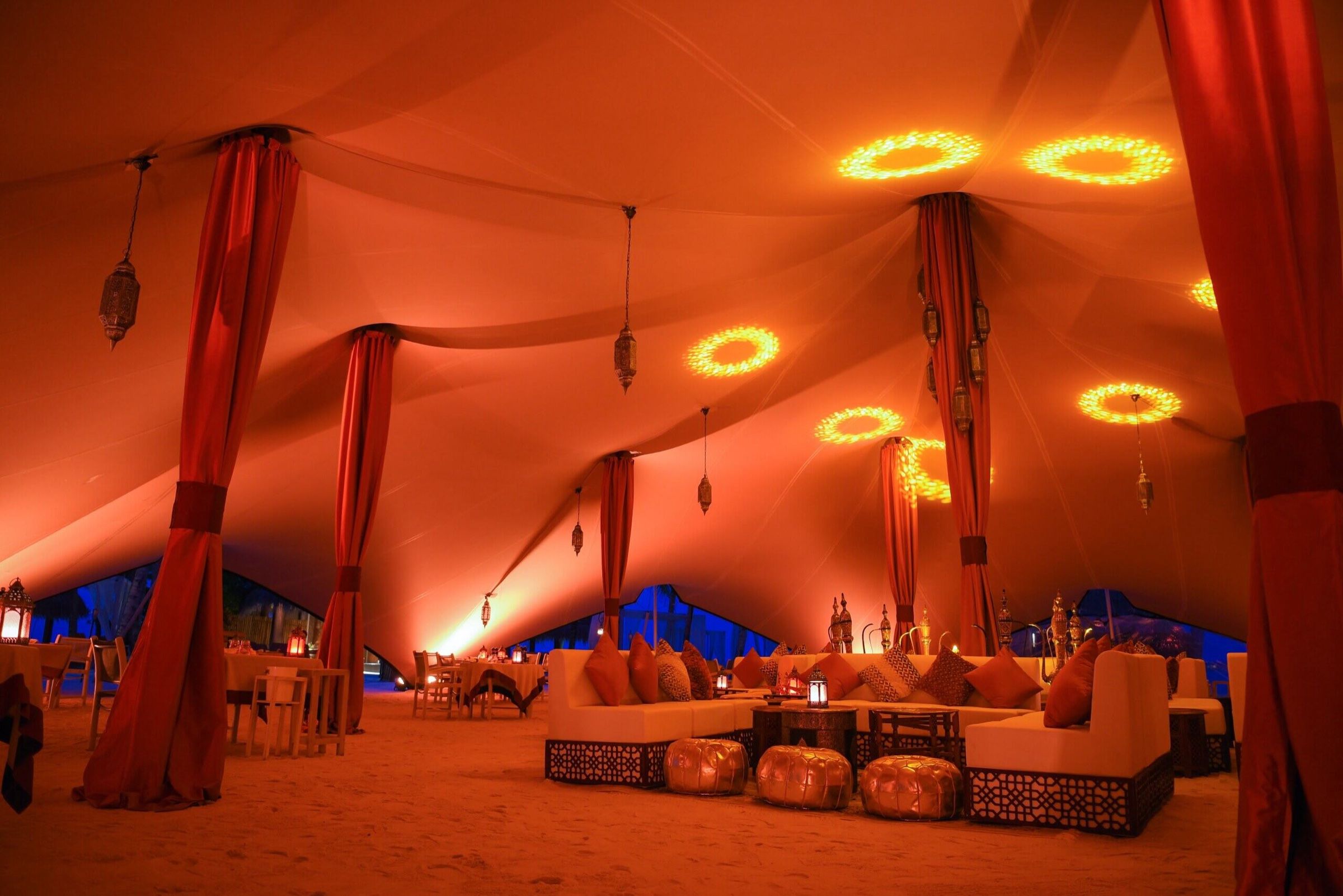
Eid traditions are filled with warmth and meaning. While cultures may differ, the essence remains the same.
1. Giving Zakat al-Fitr
Before Eid prayer, Muslims give a form of charity known as Zakat al-Fitr. This ensures that everyone, including the less fortunate, can celebrate Eid with dignity.
2. Wearing New or Best Clothes
Dressing well on Eid is a Sunnah. It reflects joy, respect, and the significance of the day.
3. Eid Prayer in Congregation
Performed in open grounds or mosques, this prayer brings the entire community together.
4. Sharing Meals and Sweets
After a month of fasting, Eid is filled with delicious food. Traditional dishes and sweets become a big part of the celebration.
5. Giving Gifts (Eidi)
Children eagerly wait for Eid, small gifts, or money given by elders, making Eid even more exciting.
How Eid is Celebrated Around the World
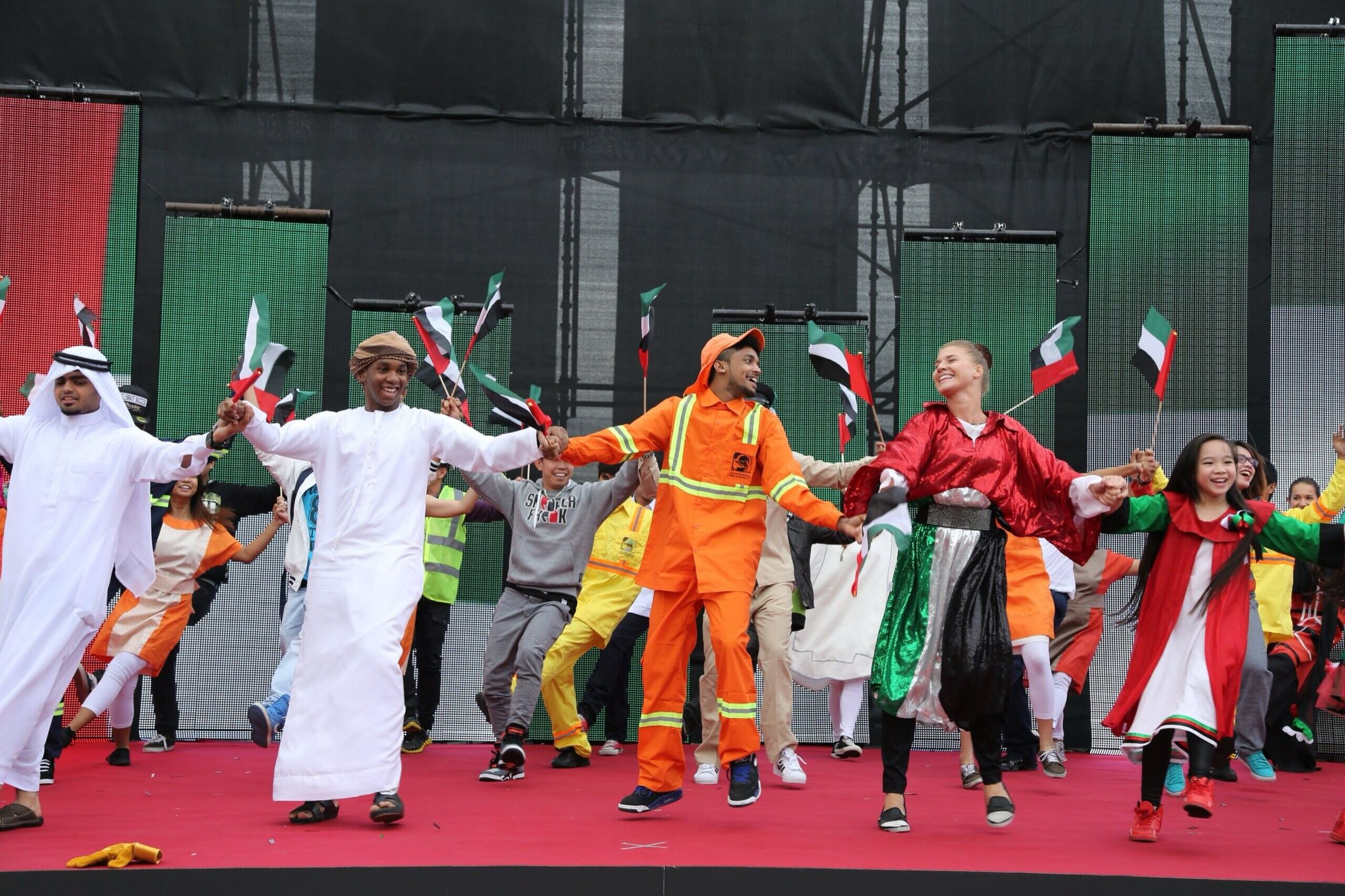
Eid looks different depending on where you are, but the emotions remain universal.
- In South Asia, homes are filled with the aroma of sheer khurma and festive dishes
- In the Middle East, grand gatherings and cultural traditions take center stage
- In Western countries, Muslims organize community events to celebrate together
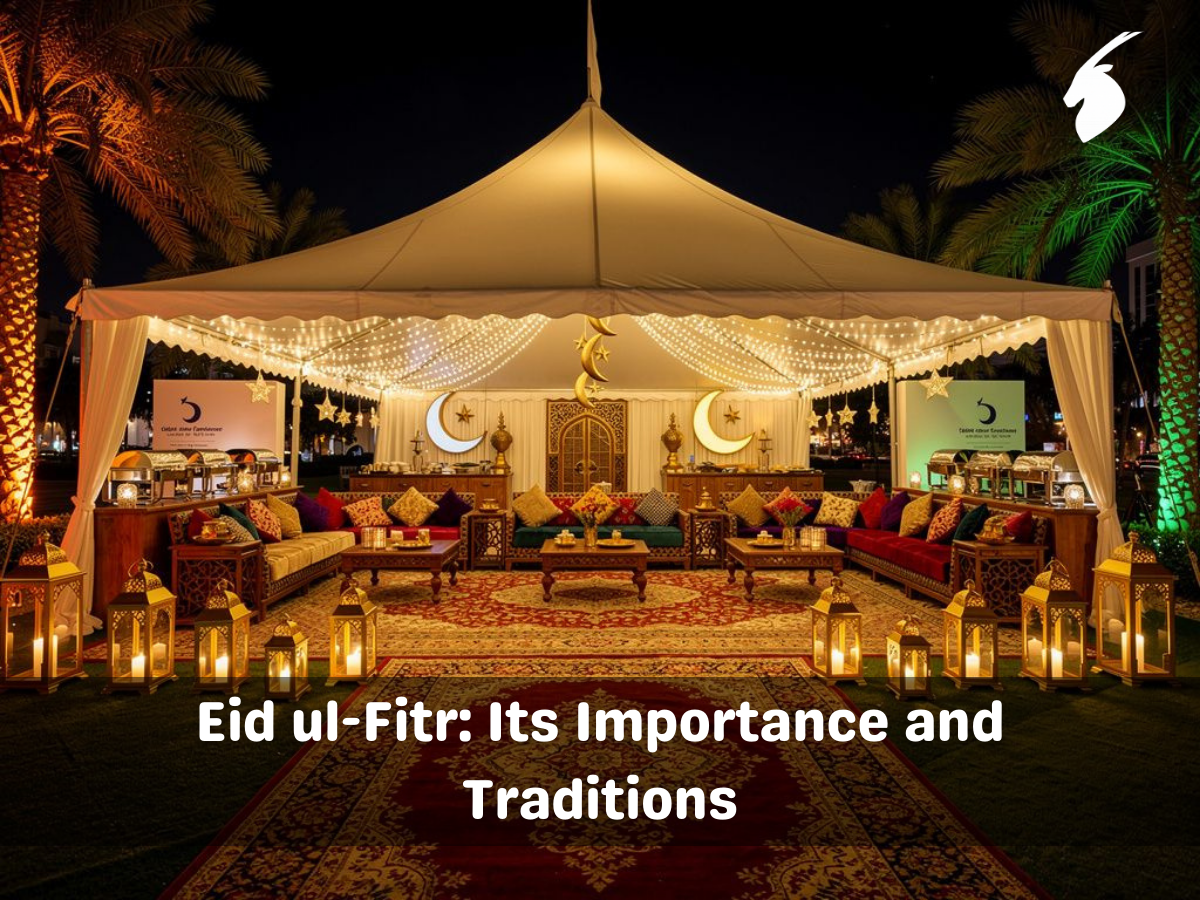
Even modern celebrations now include Ramadan events, organized through professional event management, where traditions from different cultures come together beautifully. No matter the location, Eid always revolves around family, food, and faith.
The Joy of Togetherness
Eid has a way of bringing people closer. Families that haven’t met in months come together. Friends reconnect. Neighbors visit each other with smiles and warm greetings.
It’s also a time to remember those who may feel alone. Inviting someone, sharing a meal, or even a simple greeting can make a huge difference.
Eid teaches us that happiness grows when shared.
The Meaning Behind “Eid Mubarak”
The greeting “Eid Mubarak” simply means “Blessed Eid.” But it carries a deeper emotion.
When you say it, you’re wishing someone joy, peace, and acceptance of their عبادات (acts of worship). It’s not just a phrase. It’s a heartfelt prayer.
Preparing for Eid the Right Way
Preparation for Eid isn’t just about clothes or food. It’s about mindset.
Here’s what truly matters:
- Completing Ramadan with sincerity
- Giving charity before Eid prayer
- Seeking forgiveness from others
- Planning time with family and loved ones
- Continuing good habits built during Ramadan
Eid is not the end of worship. It’s the beginning of a better, more mindful life.
Final Thoughts
Eid ul-Fitr is more than a celebration. It’s a feeling. A quiet sense of accomplishment mixed with overwhelming joy. It reminds us that even the toughest journeys have beautiful endings.
After days of hunger and nights of prayer, Eid arrives as a reward. It brings light into homes, warmth into hearts, and hope into lives.
So when Eid comes, take a moment. Look around. Smile a little longer. Because this joy, this peace, this connection, is what makes Eid truly special.
Eid Mubarak.
FAQs
Q1. Why is Eid al-Fitr important in Islam?
A: Eid al-Fitr marks the completion of Ramadan and celebrates spiritual growth, patience, and devotion to Allah.
Q2. How is the date of Eid decided?
A: The date depends on the sighting of the crescent moon, which marks the beginning of Shawwal.
Q3. What is Zakat al-Fitr?
A: It is a mandatory charity given before Eid prayer to help the less fortunate celebrate Eid.
Q4. Can Eid be celebrated for more than one day?
A: While Eid is officially one day, many countries celebrate it for up to three days.
Q5. What are common Eid traditions?
A: Common traditions include Eid prayer, wearing new clothes, giving gifts, sharing meals, and visiting loved ones.
About the author: Humais Waqar, Marketing Head, Purrple Orryx Events. Humais Waqar leads marketing at Purrple Orryx Events, the Dubai corporate event management company, and writes about planning conferences, gala dinners, launches and team events in the UAE.