Plan the Perfect Ramadan Iftar: Venues and Tips
By Humais Waqar, Marketing Head, Purrple Orryx Events · 13 Mar 2026 · 5 min read
Planning a corporate event? We plan and deliver corporate iftars end to end.
“Planning the perfect Ramadan iftar is about more than preparing a meal. It is about creating a warm space where people feel welcomed, valued, and connected after a long day of fasting. By choosing the right venue, preparing a thoughtful menu, and adding simple touches like soft lighting and comfortable seating, hosts can turn a gathering into a meaningful experience. When hearts come together around the table, the true spirit of Ramadan is beautifully felt.”
Ramadan is a time when hearts soften, homes open, and communities gather around shared meals. As the sun sets and the call to prayer echoes through the evening air, families, friends, and colleagues come together to break their fast in a moment filled with gratitude and reflection. Planning the perfect Ramadan iftar is not only about food. It is about creating an atmosphere where people feel welcomed, respected, and connected.
Whether you are organizing a small family dinner or a large community gathering, thoughtful preparation can turn an ordinary meal into a meaningful experience. In this guide, we will explore the best venue ideas, practical planning tips, and thoughtful details that help create a memorable Ramadan iftar for everyone involved.
The Cultural and Spiritual Importance of Iftar Gatherings
Iftar is the meal that breaks the fast at sunset during Ramadan. It holds deep spiritual and cultural significance for Muslims around the world. Beyond nourishment, it represents generosity, unity, and gratitude.
In many countries, especially in the United Arab Emirates, iftar gatherings reflect the spirit of Ramadan cultural diversity, where people from different backgrounds come together to celebrate the holy month. Neighbors invite neighbors, businesses host community dinners, and strangers often share tables, creating a beautiful atmosphere of inclusion.
Planning an iftar event thoughtfully allows you to honor these traditions while building meaningful connections with your guests.
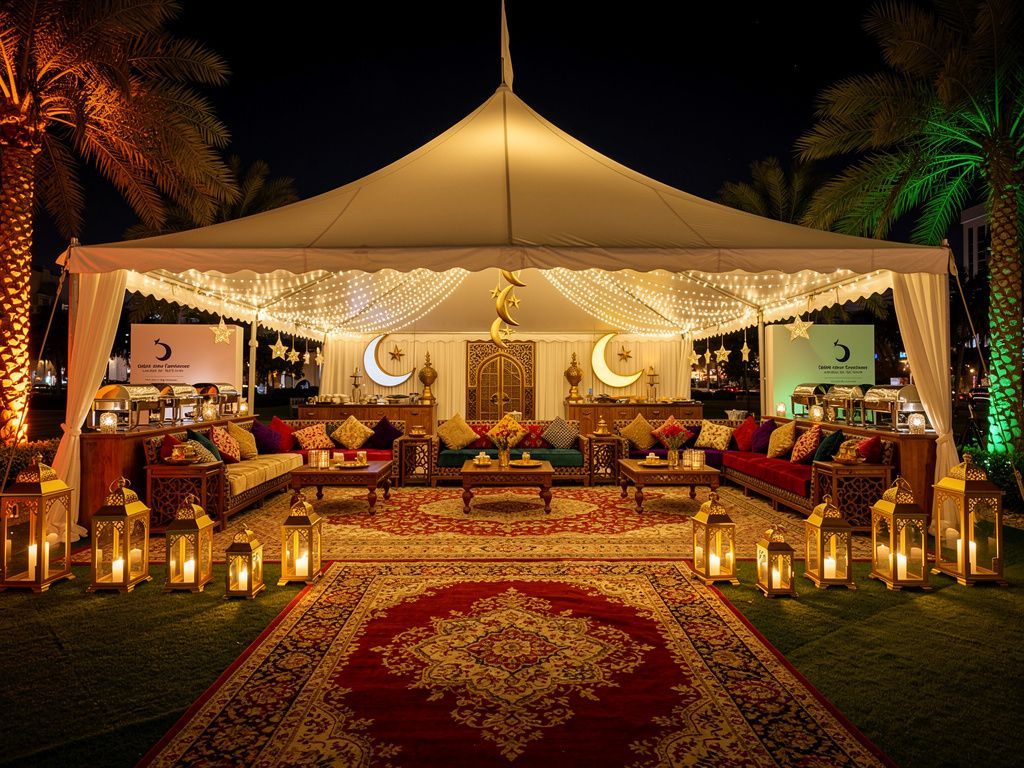
Choosing the Right Venue for Your Ramadan Iftar
The venue plays a major role in shaping the overall experience of your gathering. The location should reflect the purpose of your event and ensure comfort for your guests.
1. Home Gatherings
Hosting iftar at home creates a warm and intimate setting. Family members and close friends can enjoy a relaxed evening filled with meaningful conversations and shared memories.
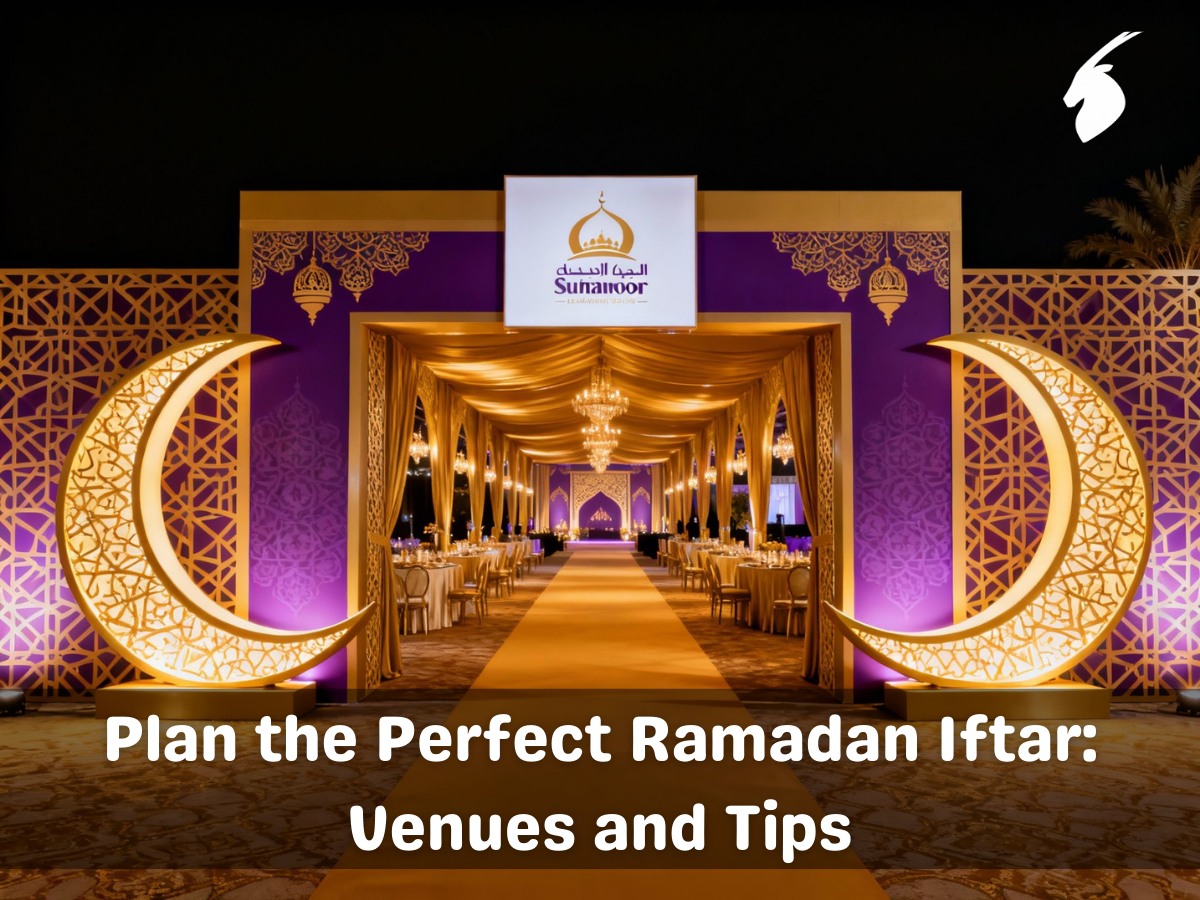
Decorating your space with subtle Ramadan event décor, such as lanterns, candles, and traditional patterns, can create a peaceful and festive ambiance.
2. Restaurants and Hotels
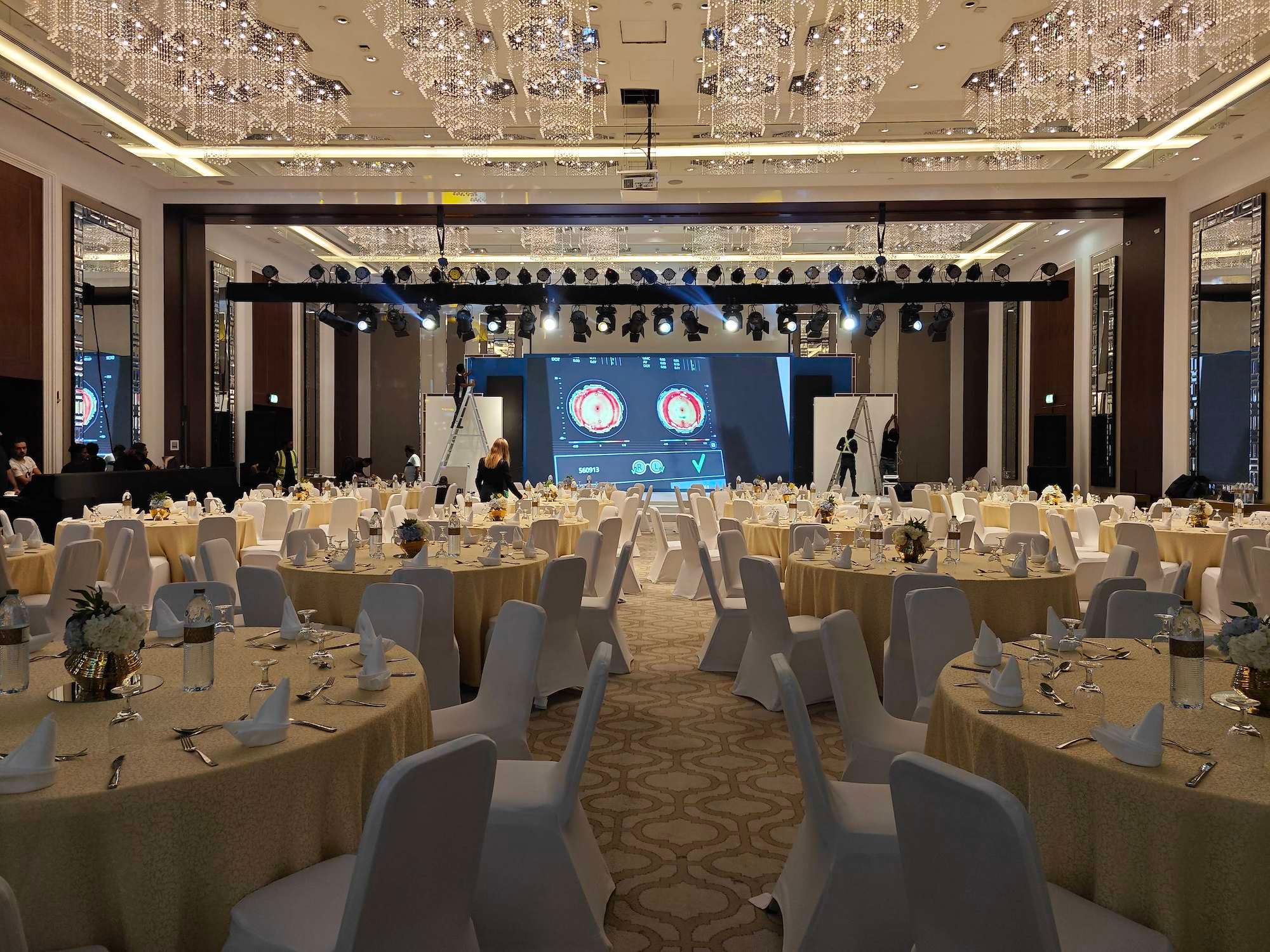
Restaurants and hotels often host special Ramadan buffets or majlis-style seating areas designed for iftar gatherings. These venues are ideal for large groups or those who prefer a professionally managed dining experience.
Many hospitality venues also organize themed Ramadan events throughout the holy month, offering cultural performances, traditional dishes, and elegant dining spaces.
3. Outdoor Venues
Outdoor iftar gatherings, such as rooftop terraces, gardens, or beachside spaces, add a magical touch to the evening. Gentle breezes, soft lighting, and open seating areas create a calm environment where guests can truly enjoy the moment.
Outdoor venues are especially popular for community and charity iftars because they accommodate larger gatherings comfortably.
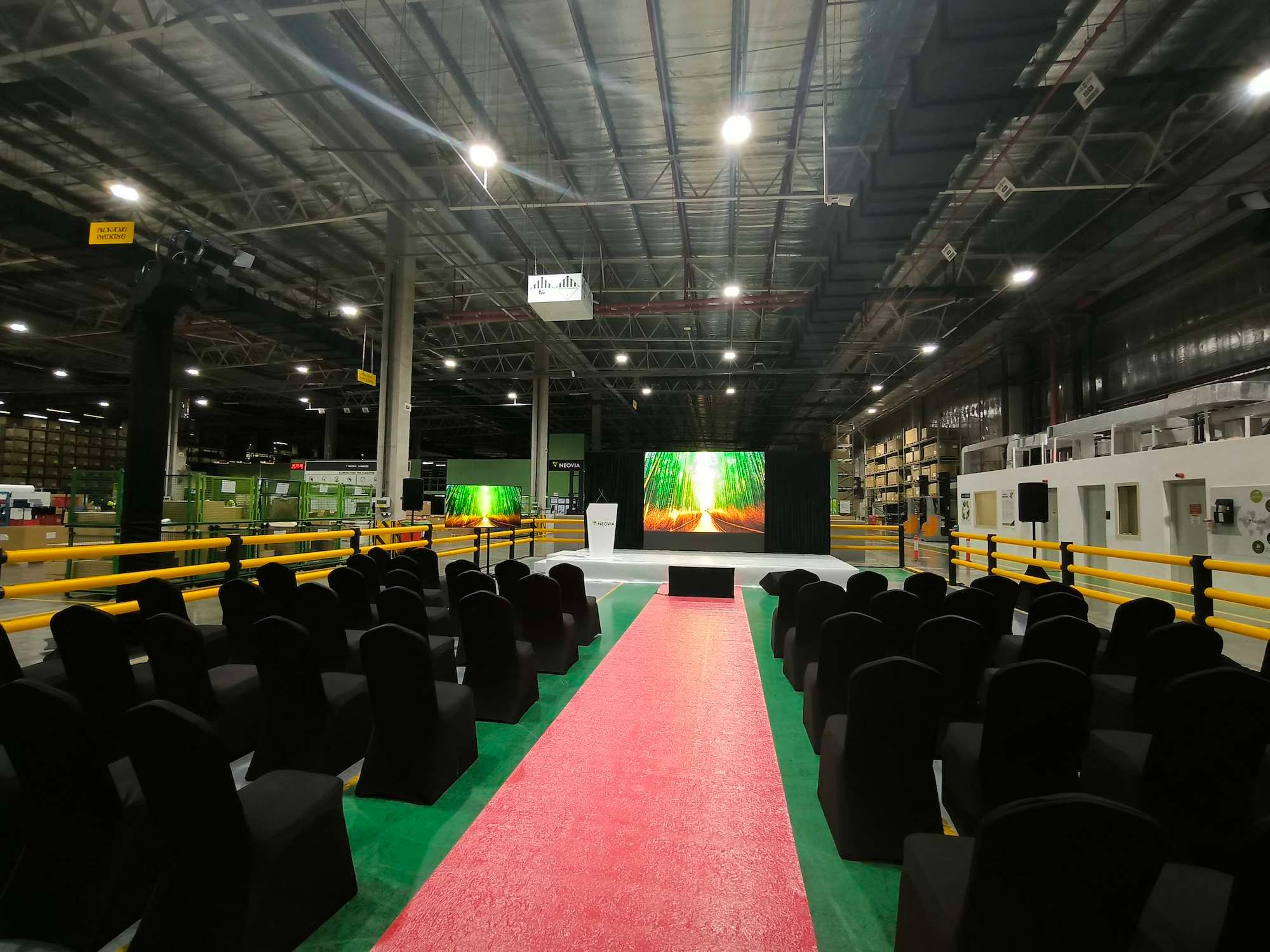
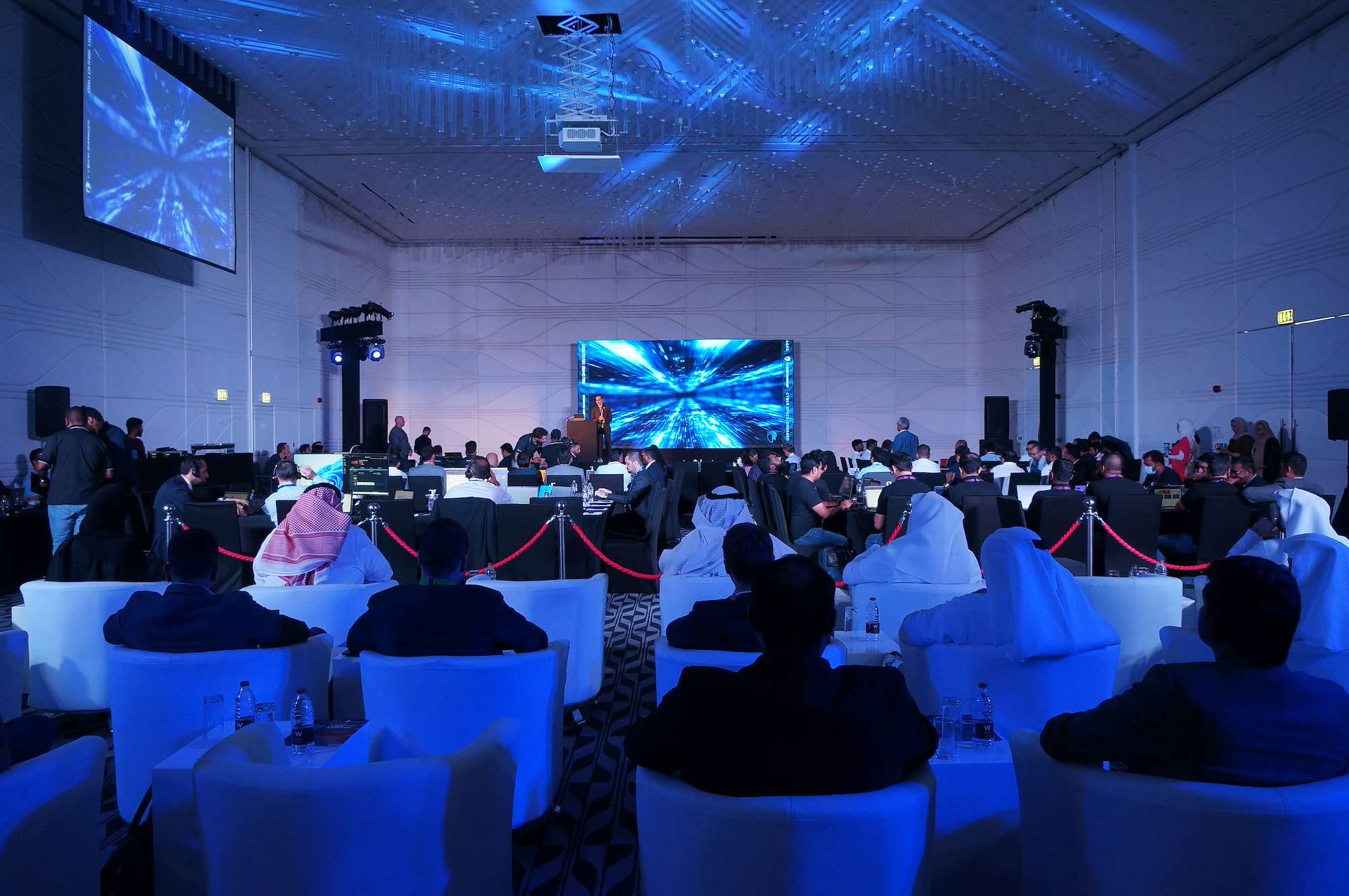
4. Corporate Event Venues
Companies often organize iftar dinners to appreciate employees, clients, and business partners. In many organizations, Ramadan events are important for corporate branding, as they reflect a company’s respect for culture and commitment to meaningful relationships.
Corporate venues usually focus on elegant seating arrangements, professional service, and thoughtful hospitality.
Planning the Guest List
Before planning any details, it is important to determine who will attend the event. The number and type of guests influence the venue, seating layout, and menu planning.
Consider the following factors:
- Whether the gathering is for family, friends, colleagues, or community members
- The total number of guests
- Any dietary preferences or cultural considerations
- Seating arrangements for children or elderly guests
A well-planned guest list helps ensure that everyone feels comfortable and included.
Planning a Memorable Iftar Meal
Food plays a central role in every iftar gathering. The meal should include a balanced selection of traditional dishes, light starters, and refreshing drinks.
Traditional Iftar Starters
Breaking the fast usually begins with dates and water, followed by light soups or salads. Popular options include lentil soup, hummus, and fattoush.
Main Course Options
The main course can feature a mix of traditional and modern dishes, such as:
- Biryani or rice-based dishes
- Grilled meats or kebabs
- Stuffed vegetables
- Roasted chicken or lamb
Desserts and Drinks
No iftar gathering feels complete without sweet treats and refreshing beverages. Popular Ramadan desserts include kunafa, baklava, and qatayef, while drinks like laban, fresh juices, and infused water help guests stay hydrated.
Preparing part of the menu in advance helps hosts spend more time enjoying the evening with guests.
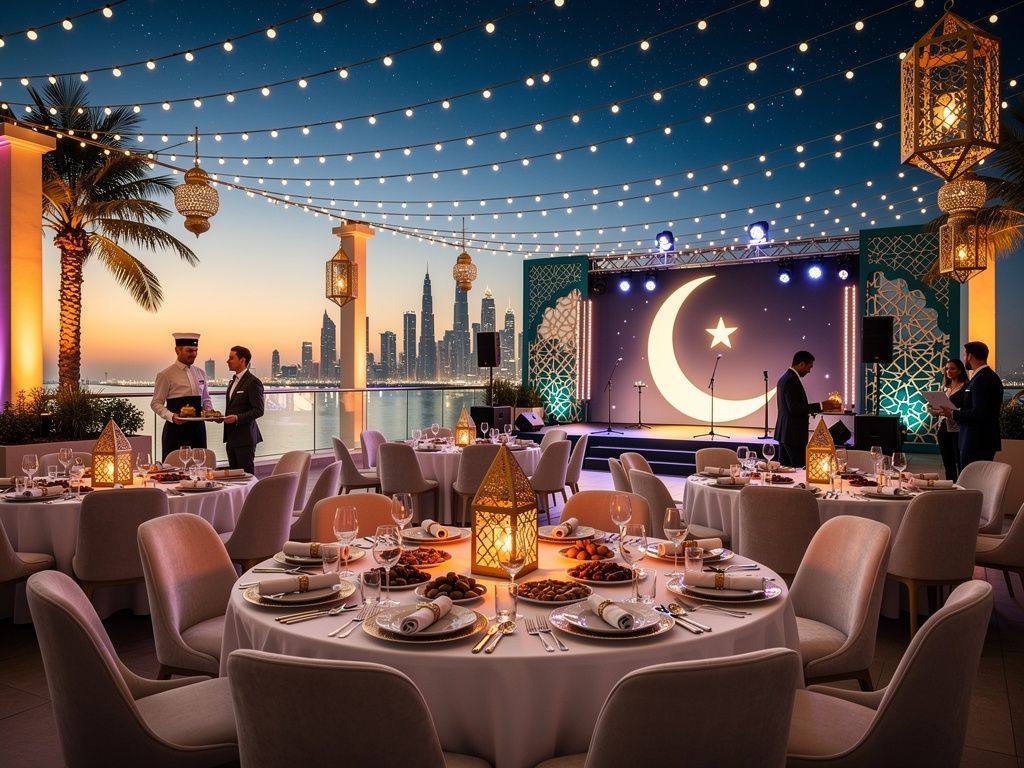
Creating the Perfect Ramadan Atmosphere
The atmosphere of your gathering should reflect the peaceful and reflective nature of Ramadan.
Soft lighting is one of the most effective ways to create a welcoming environment. Lanterns, fairy lights, and candles can transform any space into a warm and elegant setting.
Decorative elements such as patterned table runners, cushions, and traditional ornaments add cultural charm. Music can also play a role, with soft instrumental sounds or recitations creating a calm background ambiance.
A thoughtful setup not only enhances the beauty of the space but also encourages guests to relax and enjoy the moment.
Seating and Layout Considerations
Comfortable seating allows guests to enjoy their meal and conversations without feeling rushed or crowded.
Majlis-style seating, where guests sit on cushions around low tables, is popular in many Middle Eastern gatherings. This style encourages interaction and reflects traditional hospitality.
For larger groups or corporate gatherings, formal dining tables may provide better organization and structure.
Regardless of the layout, ensure there is enough space for guests to move comfortably and access food stations easily.
Timing and Event Flow
Timing is essential for any Ramadan event. Food should be prepared and ready just before sunset so guests can break their fast together.
A typical iftar flow includes:
- Guests arriving and settling in before sunset
- Breaking the fast with dates and water
- Performing Maghrib prayer
- Serving the main meal
- Socializing and enjoying desserts or tea
Planning this flow ensures the evening runs smoothly and respects the spiritual significance of the moment.
Adding Thoughtful Details
Small gestures often leave the biggest impressions. Consider adding thoughtful elements that enhance your guests’ experience.
Examples include:
- Welcome drinks for arriving guests
- Personalized place settings
- Small Ramadan-themed gifts or favors
- A brief explanation of traditional dishes for international guests
These details make the gathering feel intentional and memorable.
Final Thoughts
Planning the perfect Ramadan iftar is not simply about organizing an event. It is about creating a moment of connection, generosity, and gratitude. When people gather to share food during Ramadan, they also share stories, laughter, and a sense of belonging.
By choosing the right venue, designing a welcoming atmosphere, and planning thoughtful details, your iftar gathering can become a truly meaningful experience. In the end, the most memorable Ramadan evenings are those where guests feel valued, comfortable, and connected.
Ramadan reminds us that the simplest acts of hospitality can create the deepest bonds between people.
FAQs
1. What is the best time to start an iftar event?
A: Iftar events usually begin shortly before sunset so guests can gather and prepare to break their fast together when the call to prayer is heard.
2. What foods are commonly served during iftar?
A: Traditional iftar meals start with dates and water, followed by soups, salads, main dishes like rice or grilled meats, and desserts such as kunafa or baklava.
3. How can I create a welcoming Ramadan atmosphere?
A: Using soft lighting, lanterns, traditional decorations, and comfortable seating can create a warm and peaceful environment for guests.
4. Is it appropriate to host corporate iftar events?
A: Yes, corporate iftar events are common during Ramadan. They allow businesses to strengthen relationships with employees, clients, and partners while respecting cultural traditions.
5. How far in advance should I plan an iftar event?
A: It is best to start planning at least two to three weeks, especially if you need to book venues, arrange catering, or organize decorations.
About the author: Humais Waqar, Marketing Head, Purrple Orryx Events. Humais Waqar leads marketing at Purrple Orryx Events, the Dubai corporate event management company, and writes about planning conferences, gala dinners, launches and team events in the UAE.