Indoor vs Outdoor Event Venues: What Event Planners Need to Know
By Humais Waqar, Marketing Head, Purrple Orryx Events · 30 Jun 2026 · 9 min read
Planning a corporate event? We plan and deliver gala dinners end to end.
“Choosing between indoor and outdoor event venues depends on the type of event, guest experience, budget, and level of control needed. Indoor venues provide comfort, reliability, and better management of technical elements, while outdoor venues offer natural beauty and a memorable atmosphere. Understanding the benefits and challenges of each option helps planners create successful events that feel seamless and enjoyable.”
A venue photograph rarely tells the full story. A sunlit terrace or a sea-view lawn can look flawless in a brochure, but the reality of running an event there involves wind direction, humidity, power access, and a dozen logistical details that never appear in the marketing shot. For event planners, the choice between indoor and outdoor venues is one of the earliest and most consequential decisions in the planning process, shaping everything from guest comfort to technical execution.
This decision is rarely about aesthetics alone. It determines how much can be controlled on the day, how much contingency planning is required, and how the budget will actually be allocated. Understanding the practical differences between indoor and outdoor venues equips planners to guide clients toward choices that hold up under real conditions, not just in concept.
What Actually Changes Between Indoor and Outdoor Venues
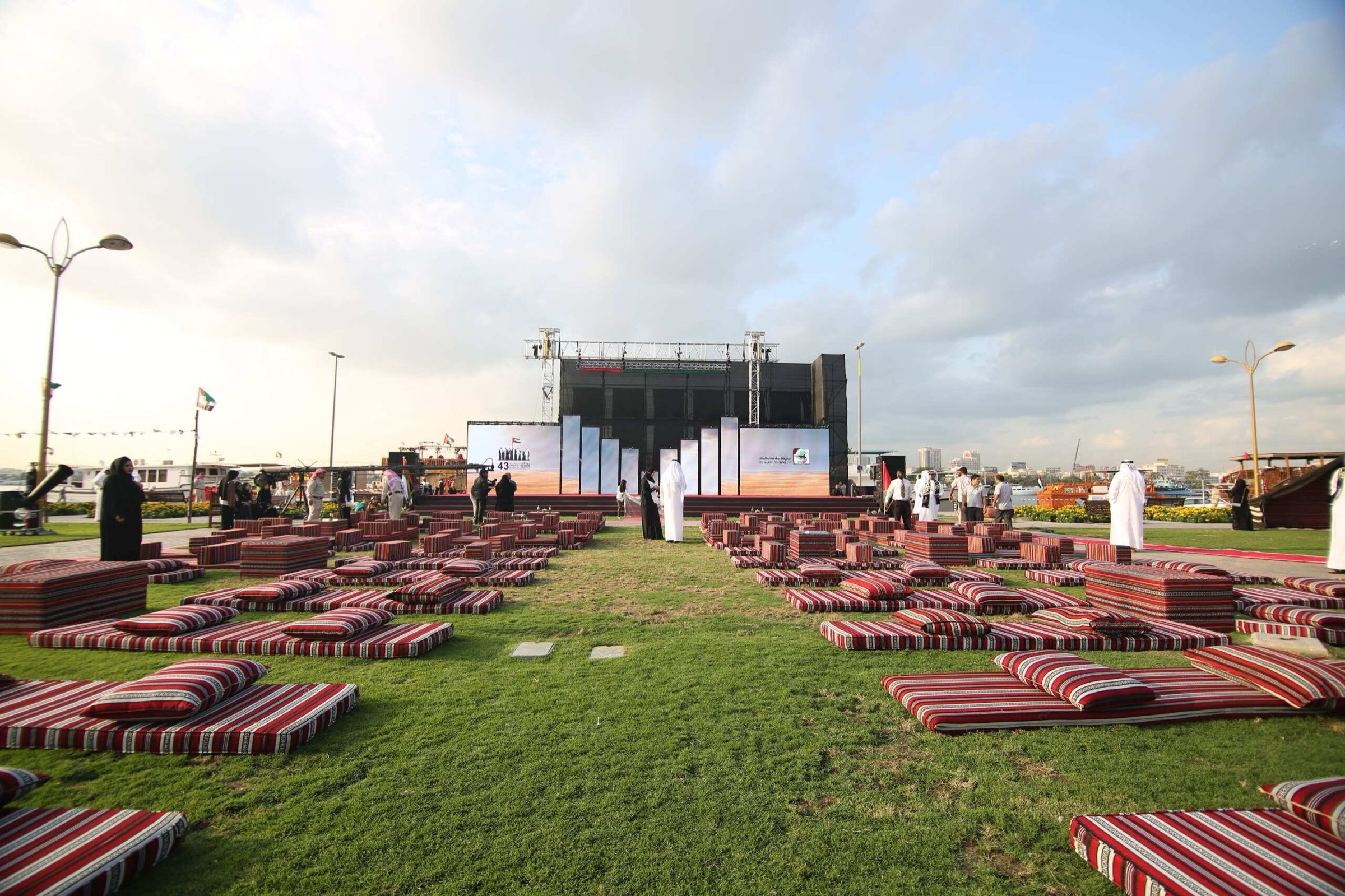
The distinction between indoor and outdoor event venues goes well beyond appearance. Indoor venues offer a controlled environment where lighting, temperature, acoustics, power supply, and guest flow can be managed with precision. This level of control becomes essential for events with detailed technical requirements, including formal entertainment, structured staging, or complex audiovisual programming.
Outdoor venues offer a different value proposition entirely. They provide scale, openness, and a stronger sense of occasion that indoor spaces often cannot replicate. A beachfront dinner or garden celebration carries an atmospheric quality that becomes part of the guest experience itself, often producing the kind of arrival moments and photography that linger in a client's memory long after the event.
The trade-off is complexity. The more open and unstructured the environment, the more variables planners need to manage carefully. Weather is the most visible concern, but access routes, flooring, power distribution, shade coverage, restroom facilities, guest transport, and how décor elements behave under heat or wind all require deliberate planning.
For planners refining their [approach to event styling and décor across different venue types], recognizing this distinction early shapes every subsequent planning decision, from supplier selection to timeline structure.
When Indoor Venues Are the Stronger Choice
Indoor venues tend to be the preferred option whenever precision matters more than atmosphere. Events involving live entertainment, formal speeches, LED screens, projection systems, staging, or a structured dining sequence generally benefit from an indoor setting, where fewer external factors interfere with setup and execution.
This is particularly relevant for corporate events. Brand launches, conferences, awards evenings, and executive dinners typically depend on precise lighting cues, reliable sound systems, controlled entry points, and stable climate conditions. Attendees are there to engage, network, and focus on content, and an indoor ballroom, hotel event space, or private hall supports that objective with considerably less operational risk.
For weddings and family celebrations, indoor venues offer genuine peace of mind. Temperature control matters more than many clients initially expect, particularly for older relatives, young children, and guests in formal attire. Hair, makeup, floral arrangements, cake displays, and food service all perform more reliably in a stable indoor environment than in conditions exposed to heat, humidity, or wind.
There is also a meaningful styling advantage indoors. Suspended installations, draping, candlelight effects, theatrical lighting, and detailed table settings can be executed without the exposure risks that come with outdoor conditions. For event concepts that are layered, detail-heavy, or reliant on delicate materials, indoor venues typically make execution more consistent and predictable.
When Outdoor Venues Create Something Distinct
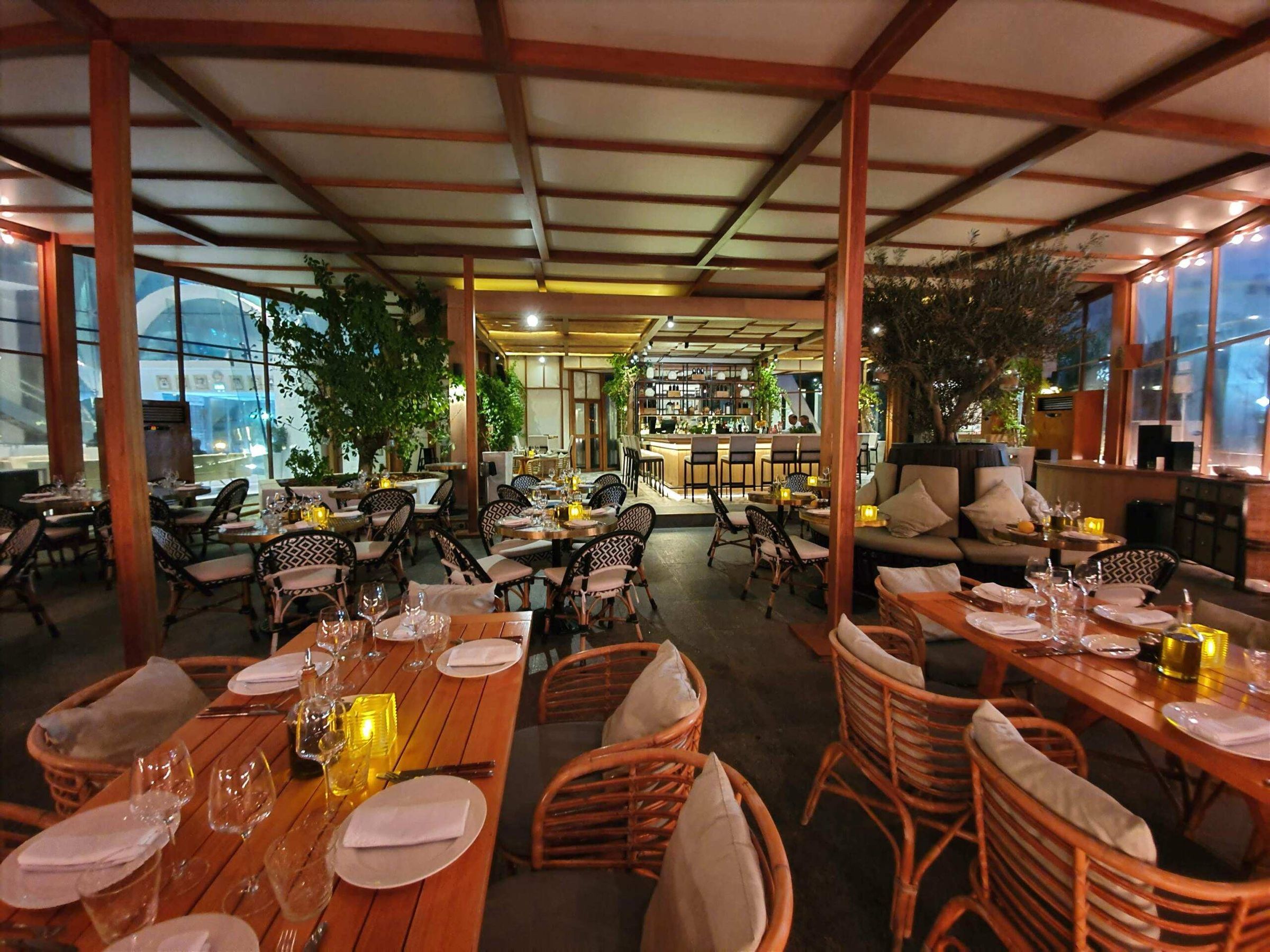
Outdoor venues are often chosen for the emotional impact they deliver first. They feel expansive and celebratory, and the natural setting effectively contributes to the design itself. For weddings, private dinners, engagement parties, and milestone celebrations, a skyline, coastline, or landscape becomes part of the event's narrative in a way no indoor space can fully replicate.
In regions with distinct seasonal patterns, outdoor events become especially attractive during cooler months. A garden reception or beachfront gathering can feel elegant and relaxed in ways that indoor venues sometimes struggle to achieve. Guests also tend to mingle more freely in open settings, and events often feel less formal even when the styling itself remains highly polished.
Outdoor settings particularly suit formats where movement is part of the guest experience. Welcome receptions spread across a lawn, food stations positioned across different zones, lounge-style seating arrangements, or entertainment that unfolds progressively through the space all tend to feel more natural in an outdoor environment than when compressed into a single indoor room.
That said, the venue itself represents only half of what makes an outdoor event succeed. The infrastructure supporting it matters just as much. A visually stunning outdoor space can become operationally difficult very quickly if shade is limited, parking access is poor, ground surfaces are uneven, or power capacity is insufficient for lighting and sound requirements.
For planners building out [outdoor event logistics frameworks that account for infrastructure gaps], anticipating these requirements during the venue selection phase, rather than after booking, prevents costly last-minute adjustments.
Key Factors Planners Need to Weigh
Weather and Climate Conditions
Weather is the most obvious consideration, but its impact extends beyond simple rain risk. Heat and humidity affect guest comfort, floral longevity, makeup performance, menu planning, and even equipment reliability. In cooler seasons, outdoor events become far more workable, though wind remains a persistent disruptor of candles, linens, signage, and staging elements.
Planners should build weather contingency into every outdoor event plan, regardless of season. This includes backup indoor space, tenting options, and clear decision-making timelines for when contingency plans need to be activated.
Guest Profile and Demographics
The guest profile should influence venue decisions early in the planning process. A younger crowd attending a relaxed evening celebration may genuinely enjoy an outdoor setting with fewer formal constraints. A multi-generational wedding, a VIP corporate function, or an event with international travelers may call for greater comfort and accessibility considerations. Luxury, in this context, is not only about visual presentation. It is equally about how effortless the experience feels for the people actually attending.
Event Timing and Daylight Transitions
Timing decisions carry more weight than they initially appear to. A sunset ceremony may sound ideal in concept, but the transition from daylight to evening directly affects lighting plans, photography schedules, and entertainment cues. Outdoor venues typically require more detailed timing structures so that each moment of the event lands as intended, without awkward lighting gaps or rushed transitions.
Budget Realities
Budget deserves a realistic, unsentimental look. Clients often assume outdoor venues cost less because they offer open space rather than a finished hall. In practice, outdoor venues frequently require more build-out than indoor alternatives. Flooring, tenting, generators, cooling solutions, restroom facilities, staging, furniture, and weather contingency planning can all add substantially to the final budget. Indoor venues may carry a higher base hire fee, but that fee often already includes many of the essentials an outdoor venue requires as separate line items.
For planners developing a structured [event planning checklist for venue budget comparison], itemizing these hidden outdoor costs against indoor inclusions early prevents budget surprises later in the process.
Guest Comfort and Service Flow
Guest comfort is one of the clearest dividing lines in the indoor versus outdoor decision. Attendees rarely comment on well-managed temperature control, because they simply do not notice it when it is working correctly. They notice immediately, however, when it is absent. For events running several hours, this consideration becomes increasingly important as the day progresses.
Service flow is also generally easier to manage indoors. Catering teams, audiovisual technicians, entertainers, and event coordinators typically work more efficiently when access routes are clear, and conditions remain stable throughout the event. Outdoor events can absolutely be executed beautifully, but they demand considerably tighter site planning. Kitchen access points, staff movement patterns, power distribution, and load-in timing all require close, deliberate attention well before guests arrive.
This is where experienced planning makes a visible difference in outcome. A well-managed outdoor event feels effortless to guests precisely because the underlying complexity has been handled quietly and thoroughly in advance. Without that level of preparation, operational issues tend to surface visibly during the event itself.
Are Hybrid Venues the Best of Both Worlds?
Quite often, yes. Some of the most successful events combine the advantages of both indoor and outdoor settings strategically. An outdoor ceremony followed by an indoor dinner delivers the beauty of open-air moments without depending on favorable weather for the entirety of the event. A corporate reception held on a terrace before guests move into a ballroom can create warmth and energy at the outset while preserving full technical control for the main program.
Hybrid formats also provide a built-in fallback. If weather conditions shift unexpectedly, the event can adapt without losing its overall flow or feel. For many clients, this represents the most balanced option available: visually striking, operationally secure, and more genuinely comfortable for guests across the full duration of the event.
Hybrid venue planning also opens up additional creative possibilities. Planners can use outdoor areas for arrival moments, photography sessions, or pre-dinner drinks, then transition guests indoors for speeches, formal dining, and entertainment. The result is an event that feels dynamic and varied without becoming logistically fragile or overly dependent on a single set of conditions.
For planners exploring [hybrid event venues as a risk-mitigation strategy], this approach increasingly represents a middle path that satisfies both the visual ambitions of clients and the operational discipline required for flawless execution.
How to Decide With Confidence
Start with the purpose of the event rather than a preconceived image of how it should look. If the priority is control, comfort, and technical precision, an indoor venue is generally the wiser starting point. If the priority is atmosphere, scenery, and a more open guest experience, an outdoor venue may justify the additional planning complexity it demands.
From there, planners should work through a structured set of questions before finalizing venue selection:
- What month or season is the event taking place in, and what are the typical weather patterns for that period?
- How long will guests remain on site, and does that duration increase comfort risk?
- What is the age range and physical comfort tolerance of the expected guest list?
- How much audiovisual or technical production is involved in the event program?
- Does the styling concept rely on delicate materials that are vulnerable to heat, humidity, or wind?
- Is there a genuine backup plan in place, and will guests experience it as a compromise if activated?
For planners managing private celebrations or business events, the strongest outcomes generally come from matching venue selection to the event's operational needs as carefully as its visual ambition. A venue decision made purely on visual appeal, without testing it against these practical questions, tends to surface problems later in the planning timeline when fewer corrective options remain available.
Final Thoughts
The indoor versus outdoor venue decision is rarely a simple either/or choice. It is a structured evaluation of comfort, control, atmosphere, and budget, weighed against the specific demands of the event being planned. Indoor venues offer predictability and technical precision that suit formal, detail-heavy, or production-intensive events. Outdoor venues offer atmosphere and scale that can elevate the emotional impact of a celebration, provided the underlying infrastructure is planned with equal care.
For many events, the most reliable answer lies in a hybrid approach that captures the strengths of both settings while mitigating their individual risks. Regardless of which direction a planner ultimately recommends, the guiding principle remains the same: a beautiful venue should never leave anyone hoping the day holds together. The right choice, paired with thorough planning, allows every detail to function as intended while guests simply enjoy the experience.
Frequently Asked Questions
1. What is the biggest difference between indoor and outdoor event venues?
The biggest difference is the level of control and flexibility. Indoor venues provide predictable conditions for lighting, temperature, sound, and facilities, while outdoor venues offer a more open atmosphere but require careful planning for weather and logistics.
2. Are outdoor venues more expensive than indoor venues?
Not always. While outdoor venues may have lower base costs, they often require additional expenses for tents, flooring, generators, restrooms, cooling, and weather preparations. Indoor venues may include many of these essentials in the rental package.
3. What types of events are best suited to indoor venues?
Indoor venues are ideal for events that require controlled environments, such as corporate conferences, award ceremonies, formal weddings, and brand events where lighting, sound, and temperature management are important.
4. What types of events benefit most from outdoor venues?
Outdoor venues work well for events that focus on atmosphere and guest experience, including garden weddings, outdoor celebrations, engagement parties, and casual gatherings that benefit from natural surroundings.
5. Can an event combine both indoor and outdoor venues?
Yes. Many events use a combination of both, such as an outdoor ceremony followed by an indoor reception. This approach provides the beauty of an outdoor setting while maintaining comfort and control indoors.
6. How does guest demographic affect the indoor vs outdoor decision?
Guest preferences, age groups, and event style can influence the venue choice. Formal gatherings and events with diverse guests often benefit from indoor comfort, while casual celebrations may be better suited to outdoor spaces.
About the author: Humais Waqar, Marketing Head, Purrple Orryx Events. Humais Waqar leads marketing at Purrple Orryx Events, the Dubai corporate event management company, and writes about planning conferences, gala dinners, launches and team events in the UAE.