Corporate Launch Event Planning: Essential Tips for a Successful Event
By Humais Waqar, Marketing Head, Purrple Orryx Events · 25 Jun 2026 · 9 min read
Planning a corporate event? We plan and deliver product launches end to end.
“A successful corporate launch event is more than just a gathering; it is an opportunity to create lasting impressions and strengthen your brand presence. This guide shares essential planning strategies, from setting clear goals and managing guests to handling production and measuring results. With the right approach, businesses can transform their launch event into a memorable experience that drives real impact.”
A corporate launch event is one of the most high-stakes moments in a business calendar. Whether you are introducing a new product, unveiling a rebrand, entering a new market, or celebrating a significant company milestone, the event carries real commercial weight. Done well, it generates momentum. Done poorly, it can undermine confidence among stakeholders, media, and customers alike.
Yet many organisations approach corporate event planning without a structured framework. Creative ideas come early, budgets shift, timelines compress, and critical decisions get made under pressure. The result is often an event that looks adequate from the outside but fails to deliver its intended business outcome.
This guide covers the essential elements of launch event management from the initial brief through to post-event review, so you can plan with confidence and execute with precision.
1. Define Your Business Objective Before Anything Else
The most common mistake in corporate event planning is starting with aesthetics rather than purpose. Mood boards, venue shortlists, and colour palettes are all useful, but they should follow the business brief, not lead it.
Ask what the event must achieve. The answer will vary significantly depending on the audience and the launch type:
- A media launch may prioritise press coverage, shareable visuals, and controlled messaging.
- An investor or stakeholder launch may focus on demonstrating confidence, clarity, and financial credibility.
- A B2B launch event may require practical product demonstrations, structured networking, and a strong follow-up plan.
- An internal launch may need to align employees with a new direction before they communicate it externally.
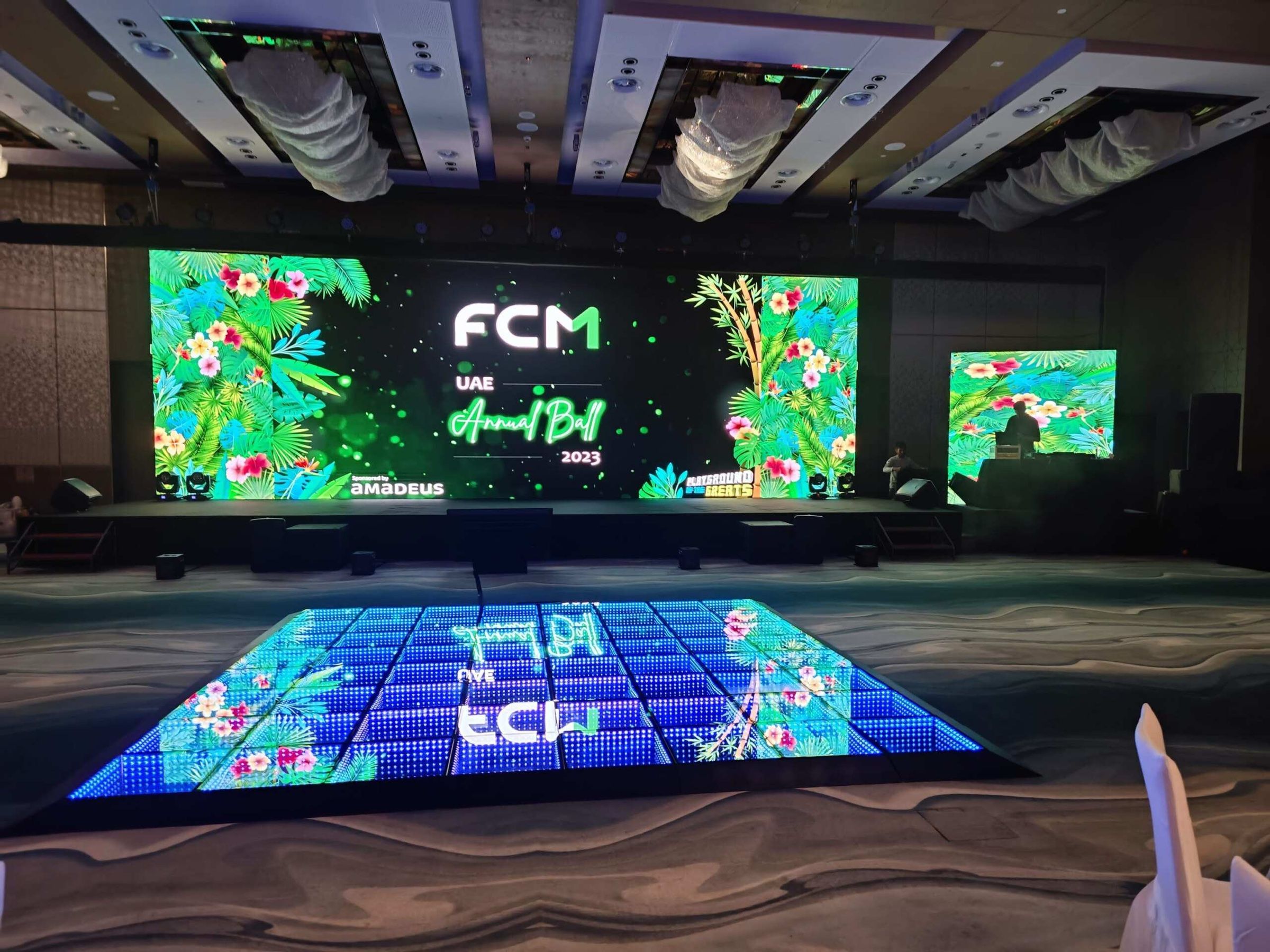
Once the objective is defined, the entire event format, the programme, the venue, the production approach, and the guest list should be tested against it. If a design choice does not serve the objective, it should be challenged.
2. Build a Thorough Event Brief
A clear, written brief is the single most effective tool in launch event management. It reduces misalignment between internal teams, prevents costly last-minute changes, and gives any external partners the clarity they need to deliver properly.
A strong brief should cover:
- The primary purpose of the event and the key message to be communicated
- Guest profile, expected numbers, and any audience segmentation (media, VIPs, clients, staff)
- Preferred date window and any fixed deadlines, such as embargoes or content release schedules
- Budget range and any non-negotiable inclusions
- Practical requirements such as vehicle access, large-format display, bilingual materials, or specific venue attributes
- Content and approval responsibilities who are producing presentations, branded assets, and communications
- Post-event requirements, including filming, reporting, or follow-up activity
Launches frequently become stressful when everyone assumes someone else is managing a key element. The brief eliminates that ambiguity from the start.
3. Choose a Venue That Serves the Event, Not the Other Way Around
Event venue selection is often approached as a prestige decision. In reality, the right venue is the one that best supports your programme, your guest numbers, and your production requirements while avoiding operational compromises that create risk on the day.
When evaluating venues for a corporate launch, assess them against six core criteria:
Accessibility: Can guests reach the venue easily? Is parking sufficient? Is the arrival flow manageable for your guest mix, including VIPs or accessibility requirements?
Layout: Does the floor plan support your programme flow? Can it accommodate a reveal moment, a product display area, a keynote stage, and a networking zone without creating bottlenecks?
Technical capacity: Does the venue have adequate power, rigging points, ceiling height, blackout capability, and screen ratios for your AV plan?
Branding opportunities: Can the space be dressed, wrapped, or transformed to reflect the event identity? Or does fixed décor conflict with your creative direction?
Hospitality infrastructure: Does in-house catering, staffing, and service align with the tone and timing of your event?
Operational timing: Can the venue provide sufficient setup access and breakdown time, including loading and build requirements?
A venue can look exceptional in a site visit and still fail to deliver once production requirements are mapped against it. Always request a technical specification document before confirming.
4. Treat Production Planning as a Strategic Priority
Corporate event production is where the event brief becomes a physical and technical reality. It covers everything from AV and lighting through to stage design, cue management, and technical rehearsal. And in launch events, the margin for error is particularly narrow.
A common planning error is treating production as an add-on to the creative concept, rather than as a core structural input. AV requirements should be built from the actual programme. A launch with keynote speakers, a product reveal moment, branded video content, panel discussion, and live entertainment needs a comprehensive cue sheet, a detailed run-of-show, and dedicated stage management.
Key production checkpoints for a corporate launch event include:
- Screen ratios and content were tested on actual display hardware before the event
- Audio checked across the full room, including acoustic problem areas
- Lighting is designed not just for ambience but for photography and video quality
- Microphones, confidence monitors, lecterns, clickers, and foldback were verified in real conditions
- Full technical rehearsal completed before guest arrival, not during registration
- Cue sheet agreed by the production team and the event director
- Contingency plan in place for technical failure at critical moments
Professional execution is often invisible to guests, and that is precisely the standard to aim for. When production is excellent, attendees experience a smooth, immersive event without noticing the infrastructure behind it. When it fails, every stakeholder in the room notices.
5. Design the Guest Journey with Care
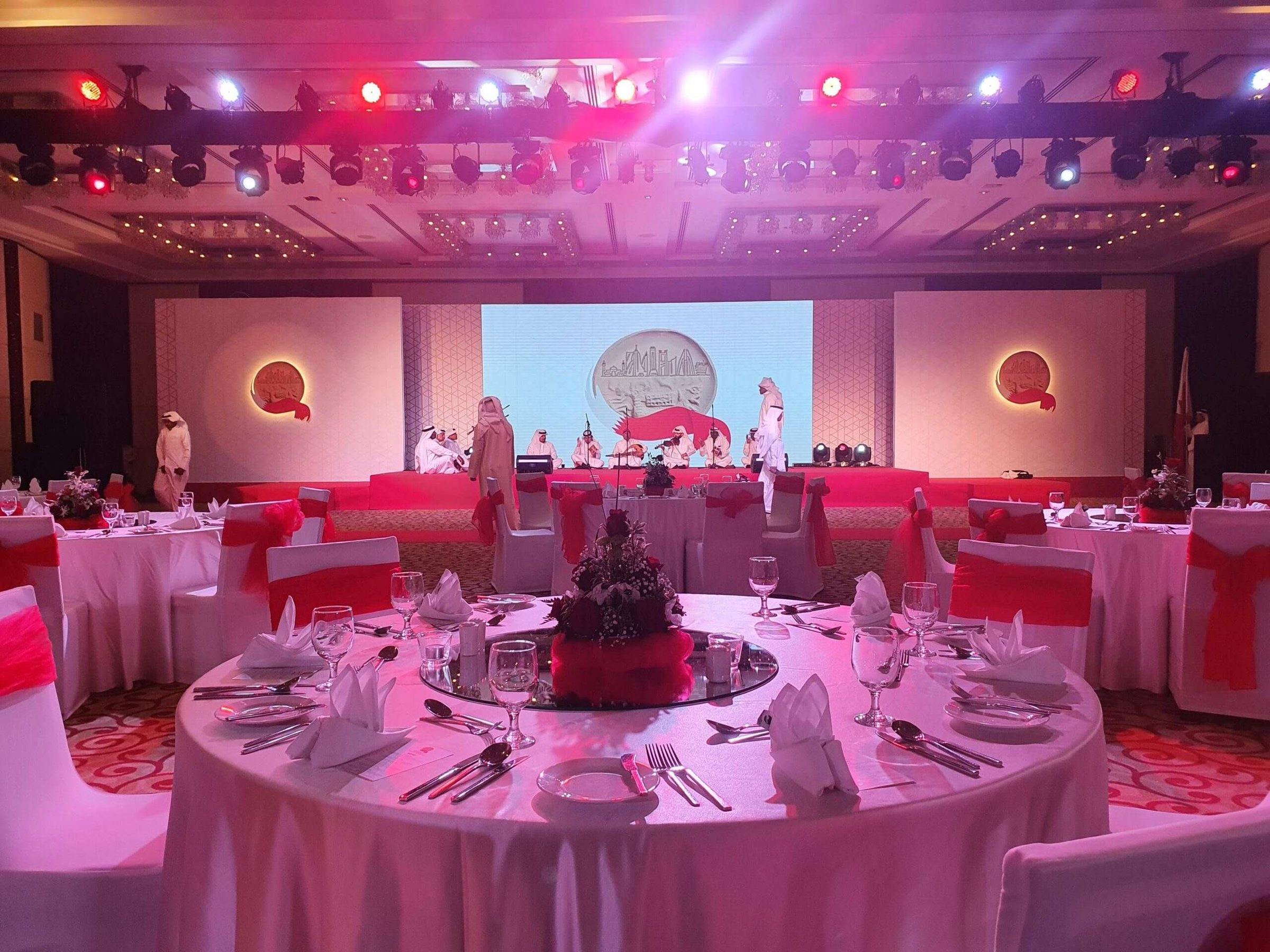
Guest experience management is often underinvested in corporate event planning. Organisations spend heavily on the room design and the content, then allocate minimal attention to how guests actually move through the event from arrival to departure.
Every touchpoint in the guest journey reflects on the brand behind the event. If registration is slow or confusing, if guests cannot find the entrance, if seating plans are unclear, or if staff are unable to answer basic questions, the event creates friction before the main content even begins.
For a corporate launch, consider the following guest experience elements:
- Invitation design and RSVP process: Does communication reflect the standard of the event?
- Guest categorisation: do media, VIPs, clients, and internal staff receive appropriately tailored communications and access arrangements?
- Arrival and registration: is it quick, professional, and consistent with the event identity?
- Wayfinding: Can guests orient themselves easily without needing to ask staff for help?
- Internal flow: Are sightlines clear, circulation comfortable, and product engagement areas accessible without crowding?
- Networking provision: is space and time structured to allow meaningful connections without disrupting the programme?
- Departure management: is the transition from event to exit considered as the arrival?
In high-profile events with senior guests or media attendance, arrival management and protocol planning deserve a dedicated section of the run sheet.
6. Approach Catering as Part of the Programme, Not a Separate Service
Hospitality at a corporate launch event should be planned against the programme, not around it. The question is not simply what food and drink to provide, but how service will interact with the event flow.
A breakfast or mid-morning launch typically calls for speed, simplicity, and efficient service. An evening launch can carry more theatre, but food service must never overlap with key moments such as the reveal, the keynote address, or the formal close of the programme.
Catering complexity should be proportionate to the available time and the event format. A more elaborate menu can feel generous and premium, but if it slows the programme or distracts from the launch message, it works against the event objective. Coordinate service timings with the production schedule and confirm them during the technical rehearsal.
7. Use Event Branding and Design to Create Cohesion, Not Repetition
Event branding and design should reinforce the launch message through a consistent visual identity, not overwhelm guests with logos on every surface. The distinction between cohesion and repetition is an important one in event design.
Branded touchpoints should appear through stage design and backdrop, digital screen content, printed materials and signage, registration desk styling, staff dress, floral design, furniture selection, and lighting choices. When these elements are designed as a unified system, the event feels considered and premium. When they are applied inconsistently, the result can look fragmented regardless of the budget invested.
Each creative element should also be evaluated against practical criteria: build time, safety, viewing angles, power requirements, and photography value. A striking entrance installation or bespoke centrepiece can elevate an event significantly, but only when it integrates cleanly into the operational plan.
8. Build a Realistic Event Timeline and Protect It
Event timeline planning is where many corporate launches encounter their most serious problems. Launch events often have fixed external constraints: embargo dates, executive travel schedules, media briefing windows, or product availability timelines. That means delays in the planning process compound quickly.
A properly structured event planning timeline should include:
- Concept development and internal approval
- Venue shortlisting, site visits, and confirmation
- Supplier selection and contracting
- Branded asset and collateral production deadlines
- Guest communication schedule (save the date, formal invitation, reminders)
- Technical drawing and production design finalisation
- Script and presentation content development and approval
- Technical rehearsal and dress rehearsal
- Contingency planning and risk review
- Post-event reporting and supplier settlement
When one element of the timeline slips, the impact travels through every downstream task. Regular progress reviews and clear ownership of each milestone are essential to keeping the plan on track.
9. Plan for Risk, Not Just Ideal Conditions
Event logistics coordination at the planning stage should always include a structured risk review. Corporate launches rarely fail because of one catastrophic problem. They are more often undermined by a sequence of smaller issues that were not anticipated or could not be resolved quickly enough.
Common risk areas for a corporate launch event include:
- AV or technical failure during a key programme moment
- Speaker cancellation or late arrival
- Venue access delays are affecting the build schedule
- Guest transport or parking problems
- Weather impact on outdoor or semi-outdoor elements
- Content approval delays that affect design and production timelines
- Supplier non-delivery or underperformance
For each identified risk, document the likelihood, the potential impact, and the contingency response. Ensure that key team members know what to do if a specific scenario occurs. The goal is not to expect problems, but to be operationally ready when they arise.
10. Measure Results Against the Original Objective
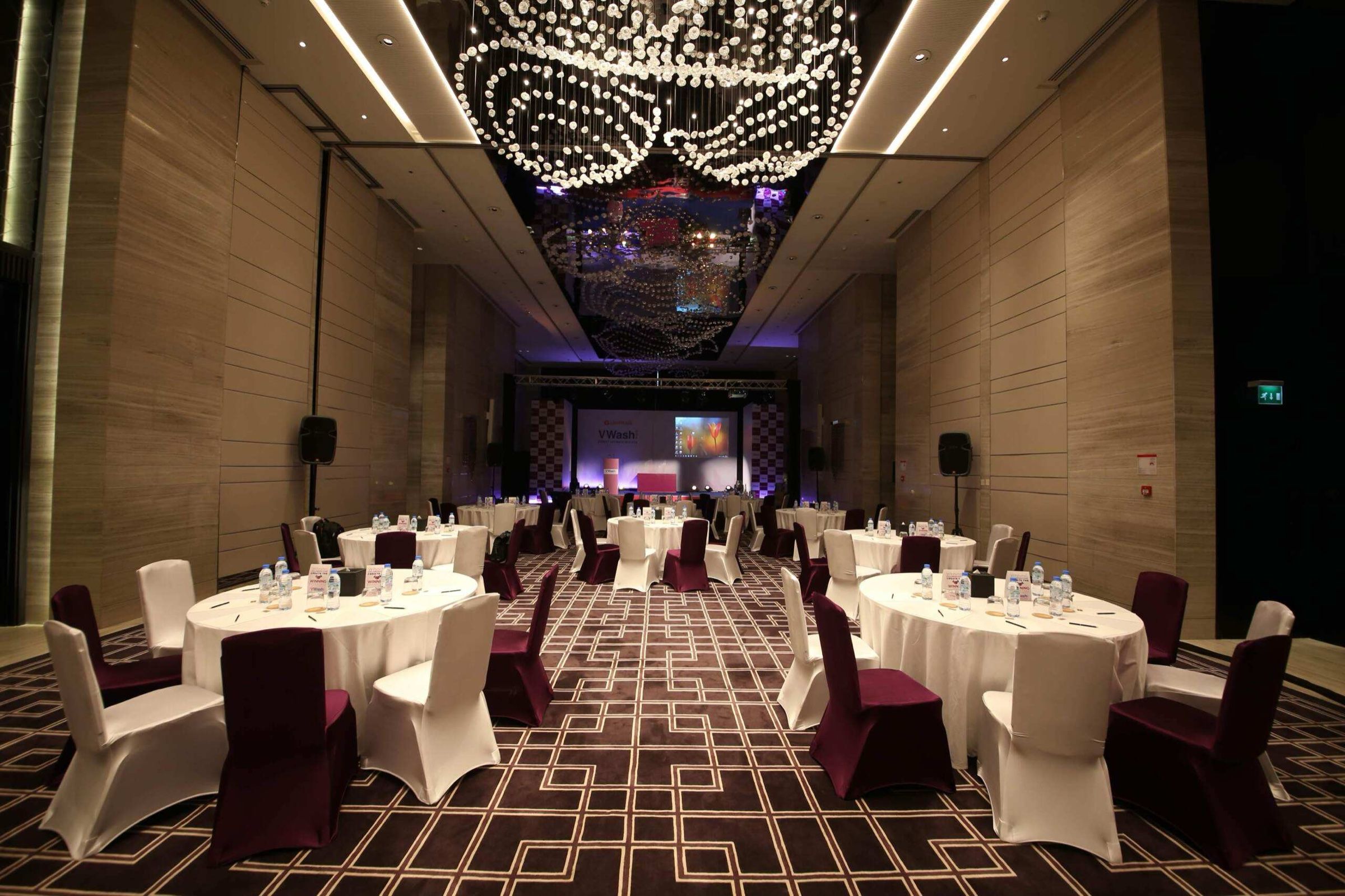
A corporate launch event does not end when the guests leave. The post-event period determines how much of the event’s potential is actually converted into business value.
Post-event activity should include:
- Prompt follow-up with media contacts, key clients, and partners
- Distribution of event content, including photography, video, and presentations
- Social and digital amplification of launch materials
- Internal debrief with the planning team to capture lessons learned
- Stakeholder feedback collection
- Measurement of pre-defined success metrics (press coverage, lead generation, engagement rates, sales conversations opened)
- Supplier settlement and performance review
The most valuable insight often comes not from the most expensive element of the event, but from understanding where the audience responded most strongly. That knowledge informs the next launch, the next product reveal, and the next major moment in the corporate event calendar.
Final Thoughts
A successful corporate launch event is the result of deliberate decisions made long before the first guest arrives. It starts with a clear business objective, flows through disciplined planning and supplier coordination, and ends with a structured review of what was achieved.
The most polished events look effortless from the outside. That effortlessness is earned through structured corporate event planning, experienced production management, considered guest experience design, and the operational discipline to keep every element of the programme aligned with the original purpose.
Whether you are planning an intimate VIP product reveal or a large-scale public launch, the principles are the same: define the goal first, build the plan around it, execute with precision, and measure what actually happened. That is how a launch event moves from a moment in the calendar to a genuine commercial asset.
FAQs
1. How far in advance should I start planning a corporate launch event?
For a mid-to-large corporate launch event, it is recommended to start planning three to six months. This allows enough time for venue selection, vendor coordination, branding, guest invitations, content preparation, and production planning. Smaller launches can be organised in a shorter timeframe, but early planning helps reduce risks and creates a smoother event experience.
2. What is the most important factor in corporate event planning?
The most important factor is having a clear event objective. Understanding whether the goal is brand awareness, product introduction, customer engagement, or business growth helps guide every decision, including venue, budget, production, and guest experience. A clear purpose ensures the event delivers meaningful results.
3. How do I manage different guest categories at a corporate launch event?
Managing different guest groups requires a structured guest management strategy. Media, VIPs, clients, partners, and employees may have different expectations, so businesses should create tailored communication plans, seating arrangements, arrival schedules, and access guidelines to ensure every attendee feels valued and well-managed.
4. What should a corporate launch event production plan include?
A corporate launch event production plan should include AV requirements, stage design, lighting, technical rehearsals, event schedules, presentation content, team responsibilities, and backup plans. Proper production planning ensures everything runs smoothly and helps avoid technical issues during the event.
5. How do I measure the success of a corporate launch event?
The success of a corporate launch event should be measured based on the original goals. Key performance indicators may include guest feedback, media coverage, social media engagement, leads generated, customer interest, and overall brand impact. Combining both numbers and attendee experiences provides a complete view of event performance.
6. What are the most common mistakes in corporate launch event management?
Common mistakes include starting without clear goals, poor timeline planning, ignoring guest experience, underestimating production needs, and failing to prepare backup solutions. A detailed strategy, strong communication, and professional coordination can help prevent these issues and create a successful launch event.
About the author: Humais Waqar, Marketing Head, Purrple Orryx Events. Humais Waqar leads marketing at Purrple Orryx Events, the Dubai corporate event management company, and writes about planning conferences, gala dinners, launches and team events in the UAE.