The Future of Corporate Events: Trends to Watch
By Humais Waqar, Marketing Head, Purrple Orryx Events · 20 Jun 2026 · 7 min read
Planning a corporate event? We plan and deliver corporate events end to end.
“The future of corporate events is about creating meaningful experiences that connect people, inspire engagement, and deliver lasting value. As expectations evolve, successful events will combine purpose-driven planning, thoughtful personalisation, and seamless execution to leave a genuine impact. Businesses that focus on people, not just presentations, will create events that are remembered long after the final guest leaves.”
A full room and a polished stage are no longer enough to call a corporate event successful. Businesses are asking sharper questions about who is in the room, what the event achieves, and whether guests remember it for the right reasons. That shift is reshaping how corporate events are planned, especially in fast-moving, high-expectation markets where the standard for presentation is already exceptionally high.
Corporate events are becoming more intentional. Scale still matters when the occasion calls for it, but organisers are weighing audience fit, measurable outcomes, guest comfort, and production quality just as heavily as visual impact. The result is an event model built on strategy as much as style. This article breaks down the trends most likely to define corporate events going forward.
Trend 1: Purpose-Led Planning Replaces Venue-First Planning
The most noticeable shift is that corporate events are no longer treated as isolated diary entries. They are increasingly planned as part of broader business objectives, whether that means strengthening client relationships, supporting a product launch, engaging internal teams, or reinforcing brand positioning.
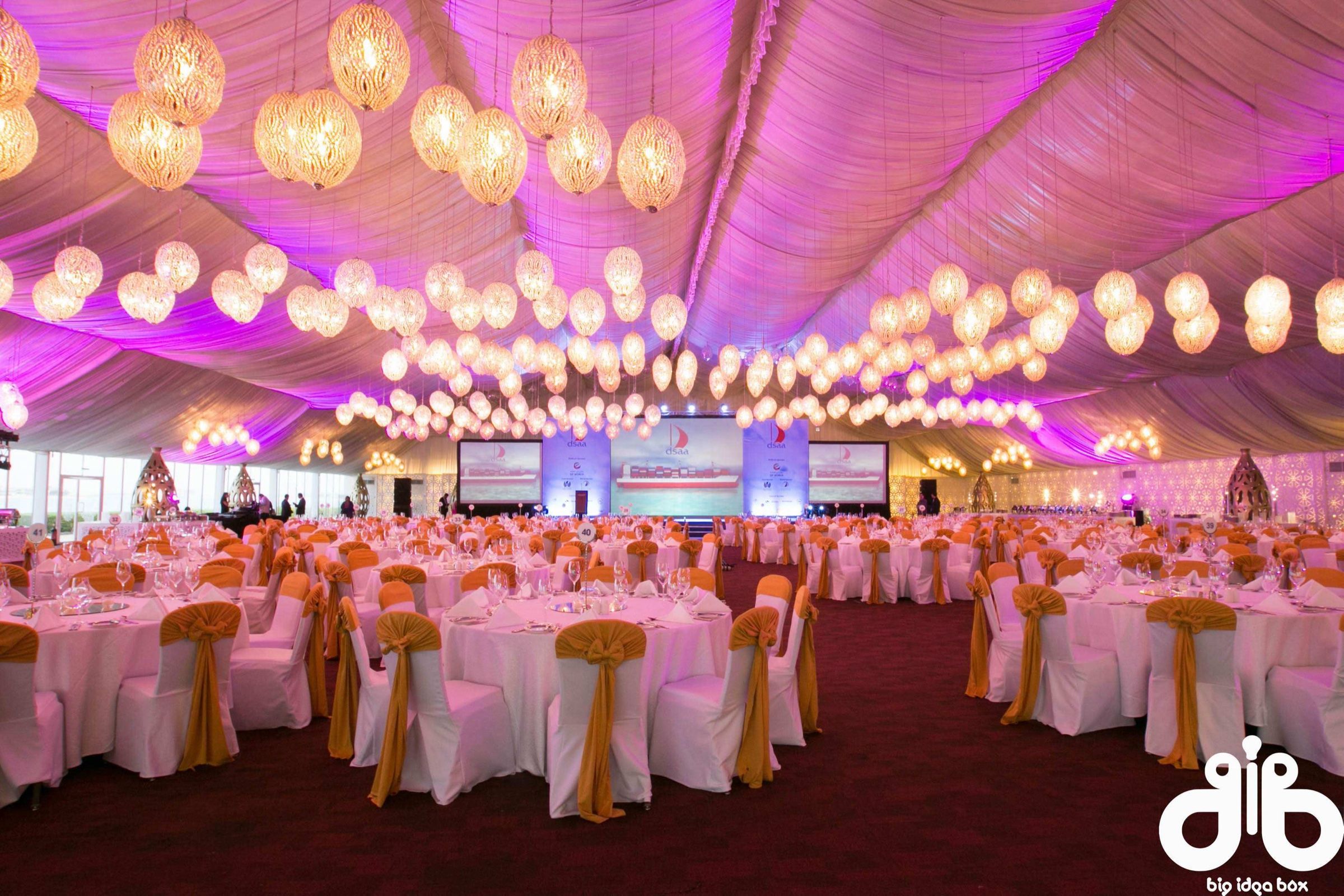
This changes where planning begins. Instead of starting with a venue and a menu, organisers are starting with purpose: who needs to be in the room, what they should feel or understand afterwards, and which format best supports that outcome. A leadership summit calls for a very different environment than an investor dinner or a public-facing brand activation.
A clear objective does not make events less creative; it usually sharpens the creative direction. When the goal is defined, design, flow, entertainment, and technical setup can all work toward the same outcome rather than competing for attention.
Trend 2: Hybrid Events Become Intentional, Not Automatic
For a period, hybrid formats were treated as the default answer for nearly every event. The market has since become more realistic. Adding a livestream does not automatically increase value. In some cases, hybrid genuinely broadens reach and improves accessibility; in others, it splits attention, adds technical pressure, and weakens the atmosphere in the room.
Hybrid by design, rather than hybrid by default, means proper camera planning, strong sound engineering, a clear run of show, and content adapted for both in-person and remote audiences. A panel discussion that works beautifully for guests seated in front of the stage can feel flat online unless production is built around both experiences from the start.
For organisations hosting regional or international stakeholders, hybrid formats still make strong sense, supporting attendance from overseas teams, media, or partners without compromising the experience for guests in the room. The key is treating remote attendees as genuine participants rather than an afterthought.
Trend 3: Personalisation Without Friction
Corporate hospitality is becoming more refined, and guests notice the difference. Clumsy registration, unclear transfers, or overlooked dietary requirements stand out quickly, as does an event that feels genuinely tailored to attendees.
Personalisation rarely requires grand gestures. It is often visible in smaller details: segmented invitations, thoughtful seating plans, relevant breakout sessions, gifting that feels considered rather than generic, and schedules that respect people's time. Senior executives may expect private hosting and discreet concierge support, while broader attendee groups benefit more from intuitive wayfinding and efficient check-in.
This matters most in markets that regularly host a mix of local decision-makers, regional teams, and international visitors, where expectations around hospitality tend to run high from arrival through departure.
Trend 4: Technology That Works Quietly in the Background
Interest in new event technology is constant, but not every tool deserves a place in the final plan. The most effective use of technology is rarely the most theatrical; it is the technology that improves flow, sharpens communication, and supports confidence on the day.
• Registration systems that reduce queues and wait times
• Event apps that keep agendas and logistics clear
• Live polling that gives speakers useful audience insight in real time
• LED production that transforms a space without an excessive décor build
• Backstage tools such as detailed cueing systems and tighter AV control
More technology can also mean more points of failure if it is not managed carefully. A sophisticated presentation only impresses when the sound is clean, transitions are tested, and technical support is ready to respond quickly. The future favours selecting the right technology and executing it with discipline, not adding tools for effect.
Trend 5: Sustainability Moves from Statement to Standard
Sustainability in events is often discussed in broad terms, but clients are becoming more practical about what it actually involves and whether it affects quality, branding, or guest comfort.
In most cases, sustainable event planning is less about sacrifice and more about better decision-making: reducing single-use materials, choosing reusable staging elements, refining catering quantities to limit waste, and prioritising suppliers who can deliver locally and responsibly. Digital invitations and event materials also continue to replace unnecessary print, particularly for business audiences.
Not every event can reduce its footprint in the same way; a large gala with complex production needs faces different constraints than an executive breakfast. What matters is a realistic, consistent approach rather than a one-off gesture.
Trend 6: Content and Design Work as One System
One of the clearest shifts is away from decoration for its own sake. Visual design still matters enormously, particularly for premium brands, but it increasingly needs to support the story the business is telling rather than stand apart from it.
A conference stage should reflect the authority of its speakers and the tone of the agenda. A product launch should use lighting, reveal moments, and spatial layout to build anticipation. A formal dinner should feel elegant while still handling speeches, service timing, and guest movement comfortably.
This is where many events succeed or fall short. Beautiful styling attracts attention, but if room layout interrupts sightlines, the programme runs late, or transitions feel awkward, the guest experience suffers regardless of how the space looks in photographs. Bringing creative styling and operational precision together is where trust is built.
Trend 7: Smaller, High-Touch Formats Gain Ground
Bigger is not always better. Many organisations are investing more in smaller, high-touch events because they create stronger interaction and often deliver clearer relationship or commercial outcomes.
• Private client dinners
• Leadership roundtables
• Curated networking evenings
• Invitation-only previews or briefings
These formats allow for depth and can feel exclusive without becoming excessive, while giving organisers more control over guest mix, atmosphere, and follow-up. Large conferences, exhibitions, and awards evenings remain relevant for visibility and scale, but businesses are becoming more selective about when to go large and when a focused setting will serve the objective better.
Trend 8: Data and Measurable Outcomes Take Centre Stage
As budgets face more scrutiny, organisers are expected to demonstrate impact beyond attendance numbers. Pre-event registration data, on-site engagement metrics, post-event surveys, and follow-up conversion tracking are increasingly built into the planning process rather than added afterwards as an afterthought.
This does not mean every event needs an elaborate measurement framework. It means defining, before the event happens, what success looks like, whether that is leads generated, relationships strengthened, media coverage secured, or internal engagement scores, and building simple tracking into the plan from day one.
Trend 9: Flawless Execution Remains the Real Differentiator
As event concepts become more ambitious, flawless delivery becomes even more important. Clients are less impressed by ideas alone; they want reassurance that timelines will hold, suppliers will be aligned, costs will stay transparent, and every detail will be managed properly.
This matters particularly for decision-makers protecting brand reputation as much as budget. A delayed show call, a registration bottleneck, or poor sound during key remarks can shape how an entire event is perceived, regardless of how strong the concept was on paper.
Execution also includes venue coordination, guest management, contingency planning, rehearsal structure, transport logistics, and post-event support, along with calm, organised communication throughout. When a planning process feels clear and proactive, clients notice the difference immediately.
Trend 10: Local Market Expertise Matters More in Global Hubs
In international business hubs that regularly host corporate audiences from multiple regions, local expertise becomes a meaningful advantage. Venue restrictions, supplier reliability, traffic and transport timing, seasonal considerations, and cultural expectations all influence how smoothly an event runs.
Planners with strong local knowledge can anticipate these factors rather than react to them, which tends to show up in smaller details: realistic timelines, sensible contingency plans, and a guest experience that feels considered from arrival to departure.
Final Thoughts
The next generation of corporate events will be more thoughtful, more precise, and more guest-centred. The events that stand out will not necessarily be the ones chasing every new trend, but the ones built around a clear purpose and delivered with careful, disciplined execution. When planning starts with intent and ends with operational precision, an event does more than fill a room. It leaves a lasting impression and supports the business outcome it was designed for in the first place.
Frequently Asked Questions
1. What Is Driving the Shift Toward More Purpose-Led Corporate Events?
Businesses are increasingly treating events as part of a broader strategy rather than standalone occasions, which means planning now starts with the intended outcome rather than the venue or format.
2. Are Hybrid Corporate Events Still Worth Investing In?
Yes, when they are planned intentionally. Hybrid formats add real value when remote audiences are treated as genuine participants, supported by proper production rather than a basic livestream added as an afterthought.
3. How Important Is Sustainability for Corporate Event Planning Now?
It has moved from an occasional talking point to a standard expectation for many organisations, though the approach varies depending on event size, format, and production complexity.
4. What Role Does Technology Play in Modern Corporate Events?
Technology works best when it improves flow and communication without becoming the focal point. Registration systems, event apps, and AV tools matter most when they are executed reliably rather than added purely for visual effect.
5. How Can Businesses Measure the Success of a Corporate Event?
Success measures should be defined before the event takes place, whether that involves leads generated, relationships strengthened, engagement scores, or media coverage, with simple tracking built into the plan from the start.
6. How Far in Advance Should Corporate Event Planning Begin?
This depends on scale and complexity, but starting with objectives and audience needs early, well before venue selection, gives the rest of the planning process more room to align around a clear purpose.
About the author: Humais Waqar, Marketing Head, Purrple Orryx Events. Humais Waqar leads marketing at Purrple Orryx Events, the Dubai corporate event management company, and writes about planning conferences, gala dinners, launches and team events in the UAE.