What Does an Event Planner Do and Why Do You Need One?
By Humais Waqar, Marketing Head, Purrple Orryx Events · 10 Jun 2026 · 11 min read
Planning a corporate event? We plan and deliver corporate events end to end.
“An event planner brings your vision to life by managing every detail, from budgeting and vendor coordination to logistics and event-day execution. Their expertise helps reduce stress, prevent costly mistakes, and ensure everything runs smoothly. Whether it's a wedding, corporate event, or special celebration, an event planner allows you to focus on enjoying the moment while they handle the rest.”
Behind every seamless celebration or flawlessly run corporate function, there is a professional who mapped every minute, negotiated every contract, and quietly solved every problem before anyone noticed it existed. If you have ever found yourself wondering what an event planner does, you are asking the right question, and the answer is far more layered than most people expect.
An event planner is not simply someone who books a venue and chooses centrepieces. They are a strategist, a project manager, a creative director, and a calm voice under pressure all rolled into one. Whether you are hosting a gala dinner, a product launch, or a team conference, the right event planner is the difference between an occasion that merely happens and one that is truly remembered.
In this guide, we walk through the full scope of what event planners do, why professional event planning services deliver genuine value, and how to decide whether hiring one is the right choice for your next occasion.
The Core Role of a Professional Event Coordinator
At its most fundamental level, a professional event coordinator is responsible for transforming a concept into a lived experience. That process begins with a brief conversation about what the event needs to achieve, who it is for, and what feeling it should leave behind and ends only once the last guest has departed and the venue has been handed back in order.
Between those two points, the planner handles an enormous range of responsibilities. They develop the concept, build the budget framework, source and appoint suppliers, manage timelines, oversee design and styling, and coordinate every moving part on the day itself. Nothing within the event's production is truly outside their awareness.
This level of oversight matters because events are interdependent systems. A delay from the florist affects table readiness. A late AV setup affects the rehearsal schedule. A guest count change affects catering quantities and seating plans. Without one person holding all of those threads, small issues compound quickly. With a skilled coordinator in place, they are resolved before they ever become visible.

What Does an Event Planner Do: A Stage-by-Stage Breakdown
Understanding what event planners do is easier when you follow the journey of a real event from first consultation to final handover.
1. Discovery and Goal Setting
Every well-run event begins with a clearly defined purpose. In the discovery stage, the planner spends time understanding what success looks like for the client. This includes the occasion type, the guest profile, the desired atmosphere, cultural or brand considerations, and the overall vision. They also begin asking the practical questions clients often do not yet know to ask: How many guests can the preferred venue realistically accommodate? What service style fits the format? Where does the budget need to be protected, and where should it be invested?
This stage shapes every decision that follows. Getting it right at the outset means fewer revisions later and a more coherent result overall.
2. Budget Planning and Financial Management
Budget management is one of the most misunderstood parts of what event planners do. Many clients assume the planner simply spends an allocated sum. In reality, a skilled planner helps clients make intelligent decisions about where money will create the most impact and where it is better conserved.
That might mean advising that a venue with strong built-in infrastructure reduces external hire costs. It could mean recommending a simpler printed programme so that more budget reaches florals and lighting. It may involve identifying where a supplier quote is out of line with market rates. These decisions, made early, protect both quality and financial confidence throughout the planning period.
3. Venue Sourcing and Assessment
Selecting a venue is not simply about aesthetics. A professional event planner assesses suitability across multiple dimensions: capacity, layout flexibility, access routes, parking provision, catering arrangements, sound restrictions, power supply, loading access for suppliers, and how the space will feel once guests are actually inside it.
A venue may photograph beautifully in promotional materials and still be entirely wrong for the event. Experienced event planning services in a market like Dubai understand which venues deliver consistently and which ones require extensive mitigation to work well. That knowledge saves clients significant time and reduces risk meaningfully.
4. Event Vendor Coordination
Most events involve a large number of specialist providers working simultaneously. A single corporate function may require caterers, AV technicians, lighting designers, décor and floral teams, entertainment acts, photographers or videographers, security personnel, transport providers, and front-of-house staff.
Event vendor coordination is the process of managing all of these parties as a single, aligned service team rather than a collection of independent bookings. The planner issues briefs, reviews contracts, confirms logistics, manages timing sequences, and ensures that each supplier knows exactly what is expected of them, when, and how their work connects to every other element of the production.
This is where local knowledge and trusted supplier relationships make a measurable difference. Knowing who communicates reliably, who performs under pressure, and who has a consistent record of quality is a significant advantage that experienced event management companies bring to every project.
5. Creative Direction, Design, and Styling
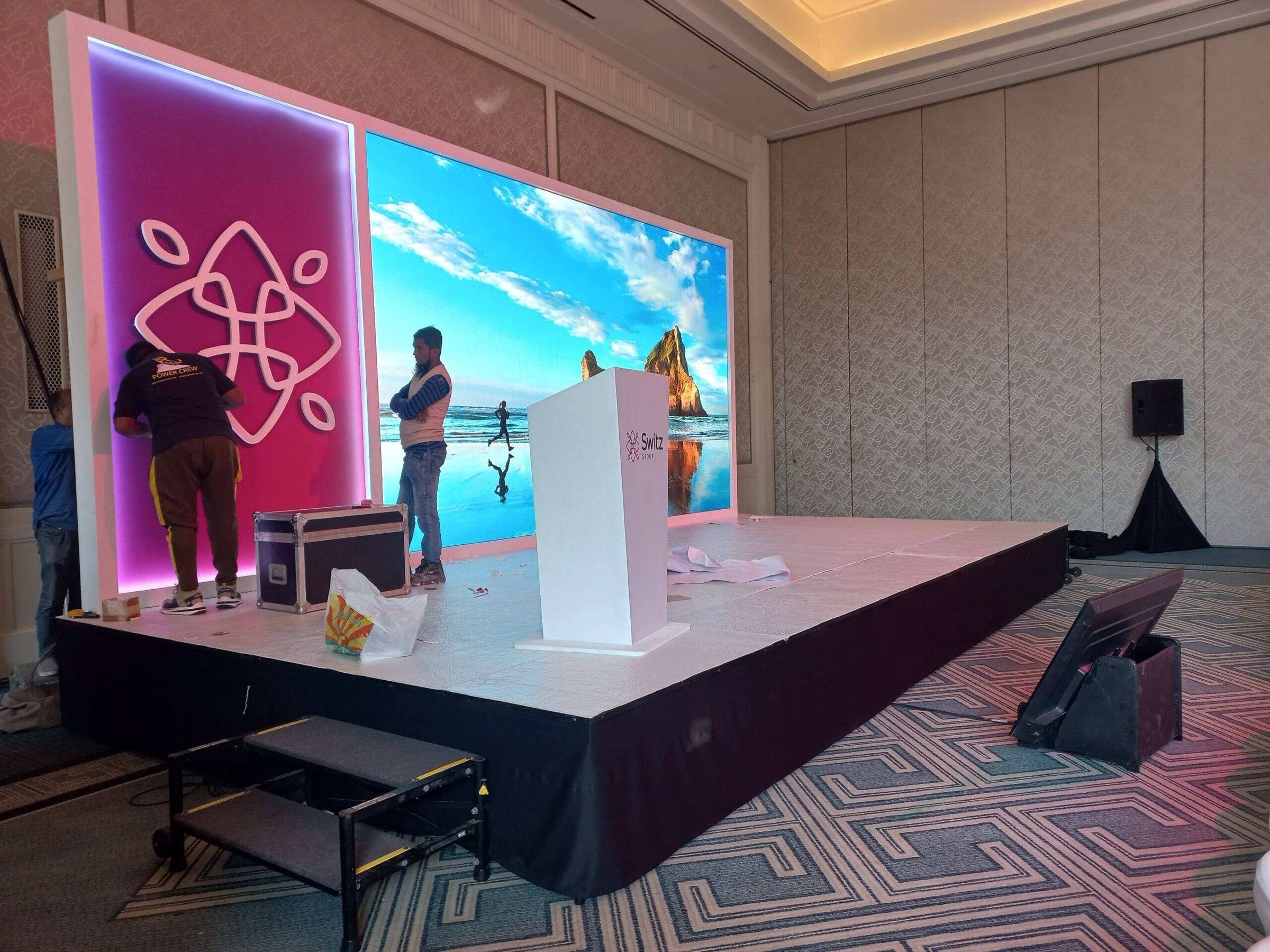
Design is a central part of what event planners do, but it goes well beyond selecting colours and centrepieces. A skilled planner develops a visual identity for the event that is coherent across every touchpoint from the invitation suite and registration area to the stage set, table styling, lighting design, and moment-specific installations.
For corporate events, this often means integrating brand identity in a way that feels considered rather than clinical. For social celebrations, it means creating an atmosphere that reflects the occasion and the people it honours. In both cases, the planner ensures that beauty and function support one another. A stunning entrance that causes a guest registration bottleneck does not serve the event. An elegantly styled stage that delivers poor speaker acoustics defeats its own purpose.
6. Scheduling, Timelines, and Event Logistics Management
Event logistics management is the backbone of effective planning. This involves building a comprehensive planning schedule that ensures key decisions are made at the right stage, and a detailed event-day running order that accounts for supplier arrivals, set-up sequences, technical checks, guest arrival windows, programme moments, and pack-down.
Leaving entertainment bookings too late can mean your preferred act is no longer available. Delaying technical planning can increase production costs and compress rehearsal time. Rushing guest communication close to the event creates avoidable confusion. A structured event planning checklist and timeline, managed by an experienced planner, protects quality at every stage.
7. Event Day Management
This is the stage where the planner's value becomes most immediately visible. Event day management involves overseeing the complete set-up, confirming supplier arrivals and installations, managing the running order, cueing entertainment and programme moments, and handling any issue that emerges behind the scenes, calmly, and without creating disruption for hosts or guests.
That can mean reconfiguring a room layout after a last-minute guest change, managing a catering delay without the host ever knowing, adjusting a programme running order when a speaker runs over schedule, or handling a technical fault during a presentation. The event planner is watching the clock, reading the room, and managing the production so that everyone else can be fully present.
A client who has invested properly in professional event management should arrive at their own event as a host, not as a production manager. That distinction is one of the clearest demonstrations of why professional event planning services exist.
Why Do You Need an Event Planner? The Honest Reasons
Some clients ask whether they genuinely need a full-service event planner. It is a fair question, particularly when capable, organised people are planning occasions they feel confident about. Here is the honest answer.
Time Is the Resource Most People Underestimate
Planning a well-run event takes significant time, not just for the large decisions but for the follow-up, the supplier chasing, the contract reviewing, the logistics confirming, and the countless small decisions that accumulate over weeks or months. Most people planning occasions alongside professional and personal commitments discover that bandwidth is the first thing they run short of. A planner absorbs that workload.
Mistakes in Event Planning Are Expensive
The planning period is full of decisions that look minor in the moment but carry real cost if they go wrong. Booking a venue that proves unsuitable. Appointing a supplier without adequate contract terms. Under-budgeting a production element that then requires emergency spending. Mismanaging a timeline that creates a cascade of delays on the event day. An experienced planner has seen these patterns and knows how to prevent them.
Events Carry Real Pressure, Personal and Professional
Social celebrations carry emotional weight. Family expectations, generational traditions, and personal significance raise the stakes beyond logistics. Corporate events carry reputational pressure. A poorly run conference, a disorganised awards evening, or an uninspiring product launch creates lasting impressions. In both contexts, confidence that the event is in experienced hands is genuinely valuable.
Access to Trusted Suppliers and Insider Knowledge
Event management companies with established market presence carry genuine advantages beyond their planning skills. They have access to venues that may not actively market their availability. They have relationships with top-tier suppliers who prioritise their projects. They know, from direct experience, who delivers consistently and who requires close management. For clients planning events in Dubai and the wider UAE, this local intelligence is particularly valuable in a market as varied and competitive as this one.
Types of Event Planning Services: What Level Do You Need?
Not all event planning services are structured the same way. Understanding the distinctions helps you choose the right level of support for your occasion.
• Full-Service Planning: The planner manages every element from initial brief to post-event wrap-up. This is the most comprehensive level and best suited to large-scale, destination events, gala dinners, branded corporate functions, and multi-day conferences.
• Partial Planning: Clients who have already secured key elements, such as a venue or primary supplier, can bring in a planner to manage the remaining components and coordinate the production. This is a practical option for those who want professional oversight without starting from scratch.
• Day-Of Coordination: Some clients plan the entire event themselves, but hire a coordinator specifically for event day management. This provides professional oversight on the day without full planning involvement, though it requires a very well-prepared handover briefing.
• Styling and Design Only: Some planners specialise in the visual and creative direction of an event. This covers concept development, décor, florals, and aesthetic styling, but does not extend to logistics, contracts, or supplier management more broadly.
Clarifying scope at the outset is critical. Assumptions about what a planner is and is not handling are one of the most common sources of avoidable frustration. The right question is not only what an event planner does in general, but what this specific planner will be accountable for on your project.
What Event Planners Do for Corporate and Business Events
Corporate events carry their own distinct requirements, and the planner's role adapts accordingly. For product launches, conferences, executive retreats, awards ceremonies, and team events, the priorities often include brand alignment, audience experience, technical precision, and measurable outcomes.
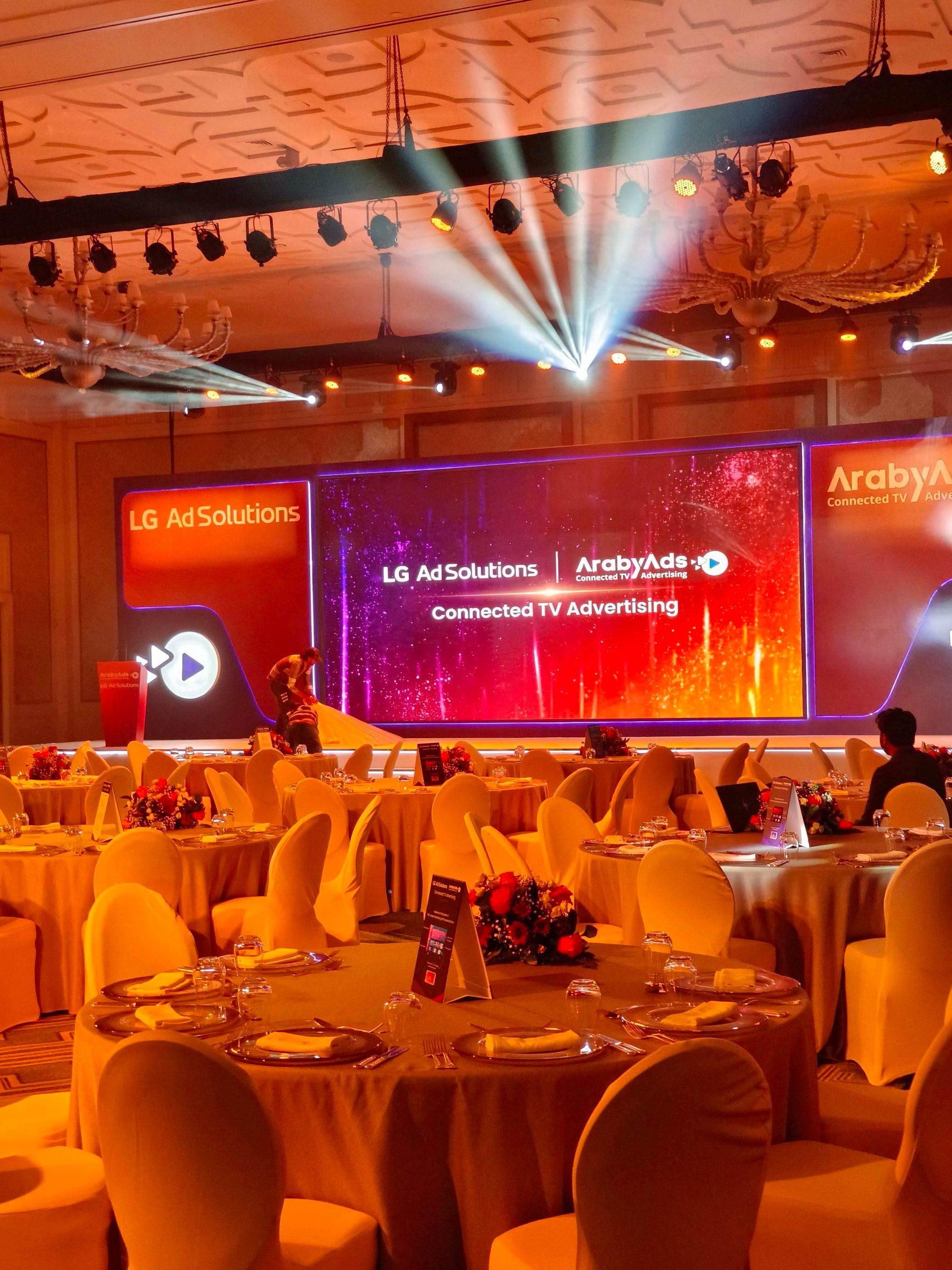
A planner working on a corporate event will typically be involved in production briefing, stage and AV management, speaker logistics, sponsor integration, branding and signage, delegate communications, and flow management throughout the event. They may also work closely with an internal events or marketing team, operating as an external production partner rather than an autonomous creative lead.
The event planning cost for corporate functions varies significantly based on scale, production complexity, and the level of service required. What remains consistent is the return: a well-produced business event builds credibility, strengthens relationships, and leaves the right impression on the people who matter most.
What to Look for When Hiring a Full-Service Event Planner
Choosing the right event planner is itself an important decision. Beyond portfolio and pricing, some qualities define whether a planner will truly serve your event well.
1. Communication clarity: You should feel informed throughout the process, not chasing updates. A strong planner communicates proactively, manages expectations honestly, and escalates issues rather than hoping they resolve themselves.
2. Relevant experience: Ask about their experience with events of similar scale, type, and complexity to yours. A planner with a strong wedding portfolio and no corporate experience may not be the right fit for a major product launch.
3. Supplier relationships: Ask who they work with and how long those relationships have been established. Trusted supplier networks are a genuine service advantage.
4. Problem-solving under pressure: Ask how they have handled unexpected situations on event days. Every experienced planner has a story. How they tell it reveals a great deal about how they actually operate.
5. Scope alignment: Ensure that what they are offering and what you are expecting are explicitly agreed upon. A well-defined brief protects both parties and creates the conditions for a strong working relationship.
Understanding Event Planning Cost: An Investment, Not an Overhead
One of the most common concerns clients raise is the event planning cost. It is a legitimate consideration, but it is best understood in the correct frame: professional planning is an investment in the quality and success of the event, not simply an additional expense.
Consider the alternative. A client managing the process themselves without professional experience may overpay suppliers, book the wrong venue, make late changes that trigger penalty charges, or produce an event that falls short of its potential despite significant spend. The planner's fee, in contrast, is typically offset by better negotiated rates, smarter budget allocation, and avoided mistakes.
Event planning fees vary depending on scope, event type, and the level of service involved. Full-service planning commands a higher fee than day-of coordination. Complex productions cost more to manage than intimate gatherings. The right question is not whether a planner costs money, but whether the value they deliver in quality, confidence, time saved, and risk reduced justifies the investment. In almost every case where the scope is well matched, it does.
Professional Event Planning in Dubai: What Purrple Orryx Delivers
At Purrple Orryx, the approach to event planning combines creative vision with rigorous operational discipline. From the first client conversation through to the final handover, every element of the event is managed with care, precision, and genuine attention to the experience you want your guests to have.
Whether the occasion is an intimate family celebration, a landmark social event, or a high-profile corporate function, the team brings local expertise, trusted supplier relationships across Dubai and the UAE, and a full-service approach that allows clients to be genuinely present at their own events.
If you are exploring what professional event planning could look like for your occasion, reach out to discuss your brief. The team at Purrple Orryx would be glad to talk through what is possible and how a well-structured planning process can bring your vision to life.
Final Thoughts
So, what does an event planner do? They plan, protect, coordinate, and deliver from the first conversation about what the event should feel like to the last moment of a well-run evening. They manage budget intelligence and creative direction, vendor relationships and logistics sequencing, and the calm, competent oversight that keeps everything on track when reality does not follow the script.
Why do you need one? Because the gap between a lovely idea and a truly well-run event is considerable, and that gap is exactly where professional event management companies prove their worth. Not every occasion requires the same level of support, but when the stakes are high, the guest list is meaningful, and the outcome truly matters, hiring an experienced event planner is one of the most sensible decisions you can make.
Plan thoughtfully. Delegate wisely. Celebrate fully.
FAQs
Q1. What does an event planner do daily?
A: An event planner manages every aspect of event preparation, including client meetings, supplier coordination, budget management, venue visits, contract reviews, timeline planning, and event-day logistics. Their role ensures every detail is organised and executed smoothly.
Q2. What is the difference between an event planner and an event coordinator?
A: An event planner oversees the entire event journey, from concept development and budgeting to execution. An event coordinator typically focuses on managing logistics and operations during the final stages and on the event day itself.
Q3. How far in advance should I hire an event planner?
A: For large corporate events and destination celebrations, hiring an event planner six to twelve months in advance is recommended. Smaller events may require three to six months of planning time.
Q4. Is hiring a full-service event planner worth the cost?
A: Yes. A professional event planner can help maximise your budget, negotiate with suppliers, avoid costly mistakes, reduce stress, and ensure a seamless event experience from start to finish.
Q5. Can I hire an event planner just for the event day?
A: Absolutely. Day-of coordination is ideal for clients who have planned the event themselves but want a professional to manage logistics, suppliers, schedules, and any unexpected issues on the event day.
Q6. What should I look for in an event management company?
A: Look for experience, strong communication, a reliable supplier network, proven event success, transparent pricing, and a clear understanding of your goals. A reputable event management company will provide both creative expertise and operational excellence.
About the author: Humais Waqar, Marketing Head, Purrple Orryx Events. Humais Waqar leads marketing at Purrple Orryx Events, the Dubai corporate event management company, and writes about planning conferences, gala dinners, launches and team events in the UAE.