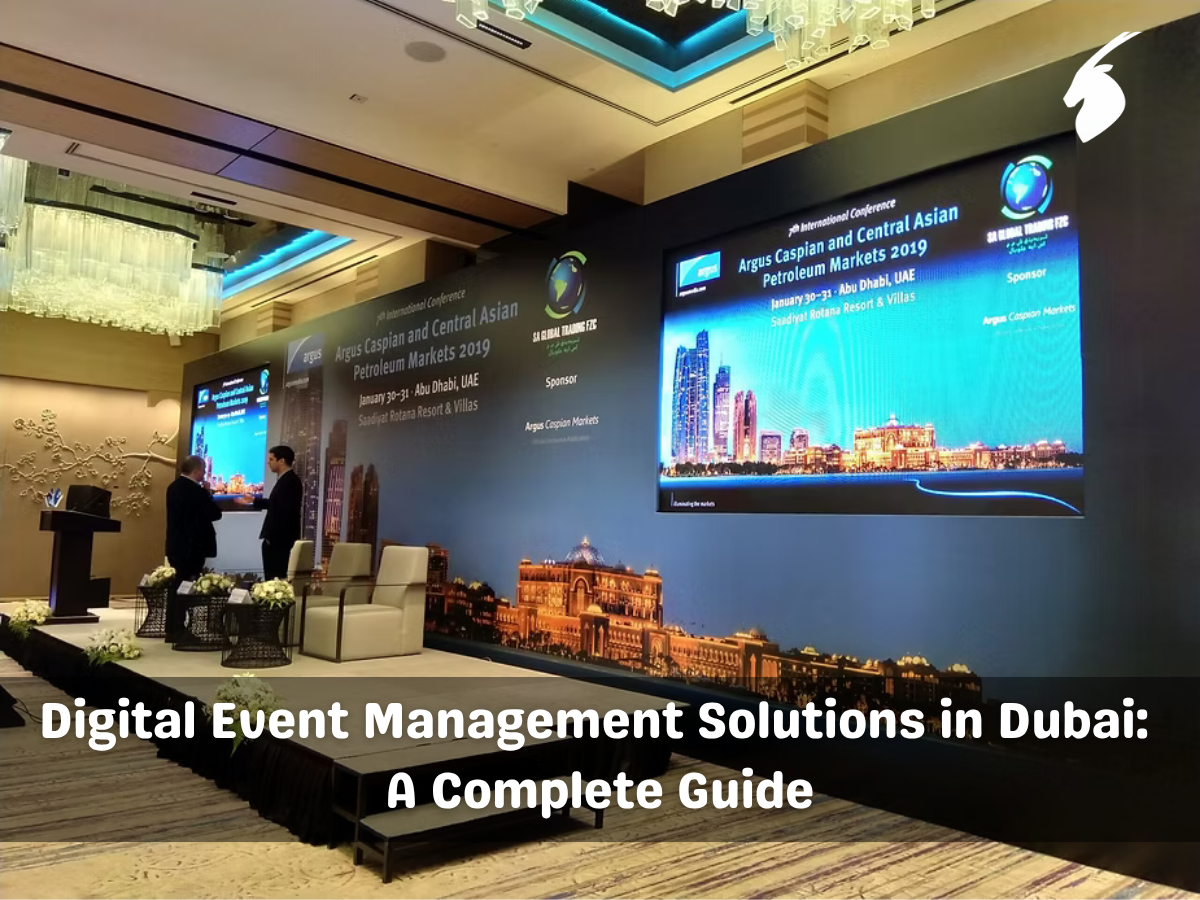
Digital Event Management Solutions in Dubai: A Complete Guide
By Humais Waqar, Marketing Head, Purrple Orryx Events · 13 Jul 2026 · 6 min read
Planning a corporate event? We plan and deliver corporate events end to end.
“Digital event management combines technology and strategic planning to deliver engaging virtual and hybrid events. In Dubai, strong digital infrastructure and a thriving business environment make it an ideal destination for hosting online conferences, webinars, and corporate events. With the right tools, planning, and audience engagement strategies, organizations can create seamless experiences that expand reach and deliver measurable results.”
Dubai has become one of the world's most active hubs for business gatherings, exhibitions, and conferences, and that momentum has carried directly into the digital space. As organizations seek to reach wider audiences without being limited by physical venues, digital event management has moved from a backup option to a core part of how events are planned and delivered. This guide walks through what digital event management entails, why Dubai is well-positioned for it, and what to look for when building a digital or hybrid event strategy.
What Is Digital Event Management?
Digital event management refers to the planning, coordination, and execution of events that take place partly or entirely online. This can include fully virtual conferences, live-streamed product launches, hybrid events that combine in-person and remote attendance, and structured webinars or workshops. Rather than replacing traditional event planning, digital event management extends it, adding layers of technology, platform management, and remote audience engagement to the same core planning discipline.
At its core, the process still follows familiar event planning steps: defining objectives, mapping out the attendee journey, arranging speakers or presenters, and managing logistics. What changes is the toolkit. Instead of physical staging and venue logistics, digital event management relies on streaming infrastructure, registration systems, virtual platforms, and engagement features that keep a remote audience involved from start to finish.
Why Dubai Is a Hub for Digital Events
Dubai's position as a global business and travel crossroads has made it a natural testing ground for digital and hybrid event formats. The city already hosts a dense calendar of exhibitions, trade shows, and corporate summits, which means there is an established base of event professionals, venues, and technology vendors who can support digital formats without starting from scratch.
A few factors make the city particularly well suited to this kind of work:
● A time zone that sits conveniently between Asia, Europe, and Africa, making it easier to host events with international attendees.
● A well-developed events and exhibitions ecosystem, with agencies experienced in large-scale production.
● Strong digital infrastructure and connectivity that supports high-quality live streaming and virtual platforms.
● A business culture that has increasingly adopted hybrid formats since the shift toward remote and flexible ways of working.
Core Components of Digital Event Management Solutions
A complete digital event management solution usually covers several distinct but connected services. Understanding each piece helps in evaluating what a given event actually needs.
Virtual Conference Platforms
Virtual conferences bring together speakers, attendees, and exhibitors in an online environment designed to mimic the flow of an in-person conference. Good platforms support session scheduling, breakout rooms, networking lounges, live Q&A, and exhibitor booths, giving attendees more than just a passive viewing experience.
Live Streaming Services
Live streaming turns a physical event into content that can reach a global audience in real time. This involves more than pointing a camera at a stage; it requires stable connectivity, multi-camera setups where needed, audio management, and a reliable distribution platform so the stream holds up under variable attendee numbers.
Hybrid Event Technology
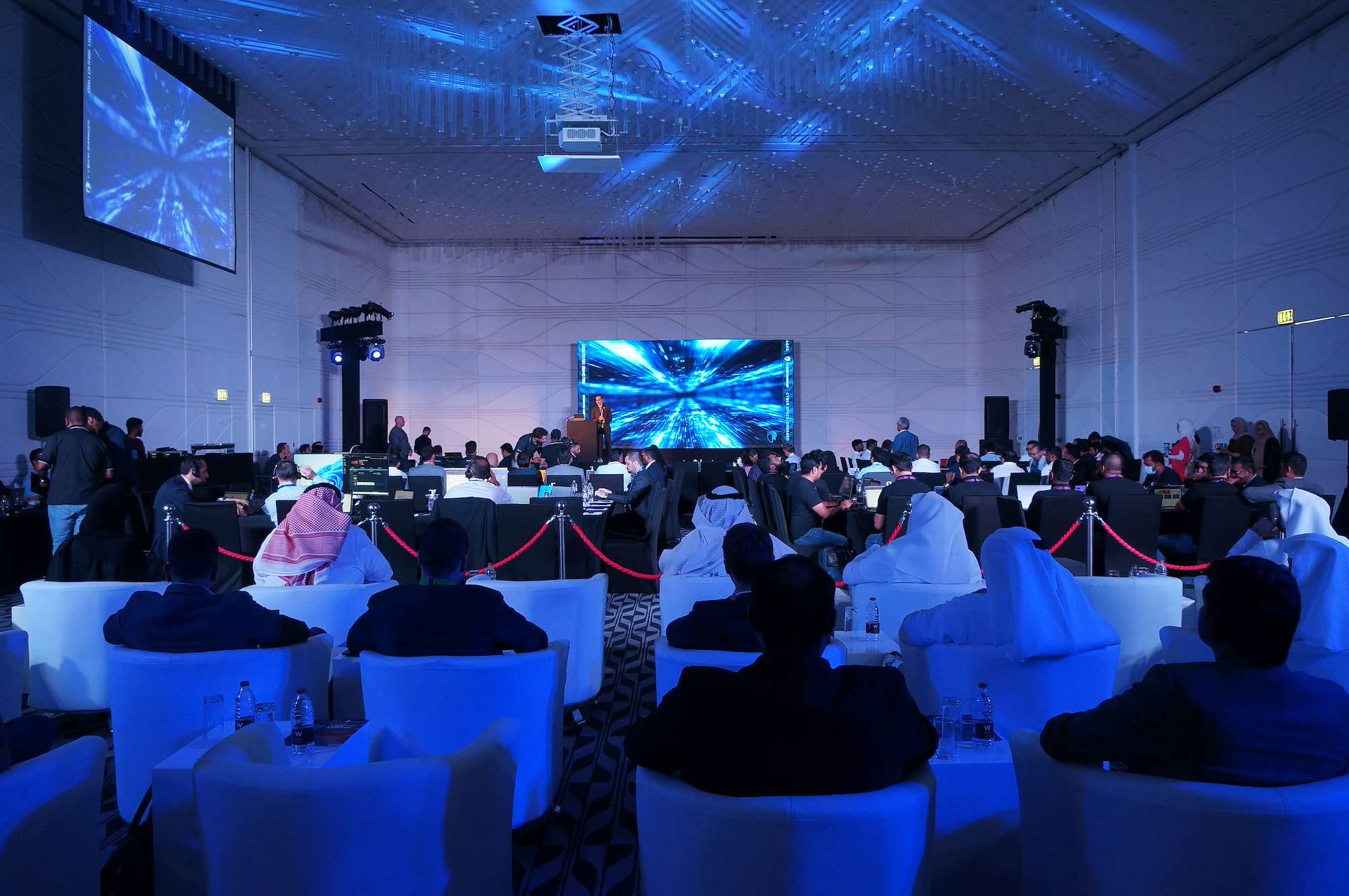
Hybrid events combine an in-person audience with a remote one, which means the experience has to be designed for both at once. This typically involves synchronized content delivery, interactive tools that let remote attendees participate in polls or discussions, and coordination between on-site and virtual production teams so neither audience feels like an afterthought.
Webinars and Workshops
Smaller-format digital sessions, such as webinars and workshops, are often used for training, product education, or thought-leadership content. These typically need simpler production but still benefit from strong registration management, clear content structure, and post-event analytics to measure how the session performed.
Key Benefits of Digital Event Management
Shifting part or all of an event online brings a set of advantages that are worth weighing against the specific goals of the event:
● Wider reach: attendees can join from anywhere, removing travel and visa constraints that might otherwise limit participation.
● Lower logistical overhead: no need for large venues, physical signage, or on-site catering for a fully virtual format.
● Measurable engagement: digital platforms generate data on attendance, session popularity, and interaction that is harder to capture at a physical event.
● Content longevity: recorded sessions can be repurposed as on-demand content long after the live event ends.
● Flexibility: hybrid formats let organizers scale an event up or down depending on how many people can attend in person.
Choosing the Right Digital Event Partner in Dubai
Because digital event management touches technology, content, and live production all at once, the choice of partner matters. A few areas are worth focusing on during evaluation.
Technology and Platform Capability
Look for a partner who can clearly explain the platforms they use, how those platforms handle scale, and what happens if there is a technical issue mid-event. Reliability during a live session is non-negotiable, so it is worth asking about bandwidth requirements, backup systems, and support availability during the event itself.
Engagement and Interactivity Tools
A digital event that simply streams a presentation to a passive audience tends to lose attention quickly. Strong providers build in polls, live chat, gamified activities, or networking features that keep attendees active participants rather than spectators.
Data and Analytics Support
One of the biggest advantages of digital formats is the data they generate. A capable partner should be able to provide clear reporting on attendance, engagement levels, and audience behavior, and help translate that data into insights for future events.
Trends Shaping Digital Events in Dubai
The digital events space continues to evolve, and a few trends are shaping how organizations approach it going forward:
● Growing preference for hybrid formats over fully virtual or fully in-person events.
● Increased use of data analytics to justify event budgets and refine future planning.
● More emphasis on interactive and gamified content to counter online attention fatigue.
● Rising demand for on-demand and repurposed event content beyond the live session.
● Continued investment in streaming quality and platform reliability as audience expectations rise.
Best Practices for a Successful Digital Event
Regardless of format, a few practices consistently separate well-run digital events from forgettable ones:
● Set clear objectives before choosing a platform or format, so the technology serves the goal rather than the other way around.
● Test the technical setup well in advance, including internet connectivity, audio, and any interactive features.
● Build in structured engagement opportunities rather than relying on passive viewing.
● Plan for post-event follow-up, including content repurposing and attendee feedback collection.
● Have a clear contingency plan for technical issues during the live session.
Final Thoughts
Digital event management has moved well beyond being a temporary substitute for in-person gatherings. In a city like Dubai, where the events industry is already mature and well resourced, digital and hybrid formats add another layer of reach, flexibility, and measurable impact. Whether the goal is a large-scale virtual conference, a live-streamed launch, or a focused webinar series, the fundamentals stay the same: clear objectives, dependable technology, genuine engagement, and a plan for what happens after the event ends. Organizations that treat digital event management as a strategic capability, rather than a one-off workaround, tend to get considerably more value out of every event they run.
Frequently Asked Questions
Q1. What is the difference between a virtual event and a hybrid event?
A: A virtual event takes place entirely online, with all attendees joining remotely through a digital platform. A hybrid event combines an in-person audience at a physical venue with a remote audience joining online, requiring coordination between both experiences at the same time.
Q2. How much lead time is needed to plan a digital event?
A: This depends on the scale of the event, but most virtual conferences and hybrid events benefit from several weeks to a few months of planning time, particularly when multiple speakers, sponsors, or interactive features are involved.
Q3. What technology is typically required to run a digital event?
A: At minimum, a stable internet connection, a reliable streaming or virtual event platform, and appropriate audio-visual equipment are required. Larger events may also need dedicated production support, multi-camera setups, and platforms that support breakout sessions or exhibitor booths.
Q4. Can digital events be as engaging as in-person events?
A: Yes, when they are designed with interactivity in mind. Features like live polls, Q&A sessions, gamified activities, and networking tools help keep remote attendees actively involved rather than passively watching.
Q5. How is the success of a digital event measured?
A: Success is typically measured through data such as attendance rates, session engagement, time spent on the platform, poll and chat participation, and post-event feedback. This data also helps refine future events.
Q6. Are digital events suitable for all types of gatherings?
A: Most formats, including conferences, product launches, training sessions, and workshops, can be adapted for digital or hybrid delivery. Events that rely heavily on physical interaction or hands-on demonstrations may need a hybrid approach to preserve that element.
About the author: Humais Waqar, Marketing Head, Purrple Orryx Events. Humais Waqar leads marketing at Purrple Orryx Events, the Dubai corporate event management company, and writes about planning conferences, gala dinners, launches and team events in the UAE.