Corporate Event Budget Planning Tips for Better Financial Control
By Humais Waqar, Marketing Head, Purrple Orryx Events · 7 Jul 2026 · 6 min read
Planning a corporate event? We plan and deliver corporate events end to end.
“Corporate event budget planning is essential for maintaining financial control while delivering a successful event. By defining clear objectives, tracking expenses carefully, and preparing for unexpected costs, businesses can avoid budget overruns and make informed spending decisions. A well-managed budget ensures resources are used effectively while protecting both the event experience and the organization's financial goals.”
Corporate event budgets rarely fall apart because of one big mistake. They slip through a series of small, reasonable-looking decisions: a slightly bigger guest list, a nicer AV package, an extra rehearsal slot that adds up long before anyone notices. Financial control is not about spending less. It is about knowing exactly where every amount is going and why, before the invoices start arriving.
For any organisation planning a conference, product launch, gala, or internal gathering, budget discipline protects more than the balance sheet. It protects the guest experience, the brand's reputation, and the confidence of the internal teams responsible for delivery. The tips below outline a practical approach to building and managing a corporate event budget so that financial control is built in from day one, not added as an afterthought.
Why Financial Control Should Start Before the Planning Begins
Budget conversations that begin after venues are shortlisted and suppliers are contacted tend to be reactive. Choices have already narrowed, and every adjustment from that point forward costs more than it would have earlier. Starting financial planning before creative and logistical decisions gives an organisation room to set priorities deliberately rather than defend them after the fact.
A budget built early can flex around real objectives. It can absorb a change in guest numbers, a shift in venue, or a revised timeline without forcing a scramble. That flexibility is one of the clearest markers of financial control.
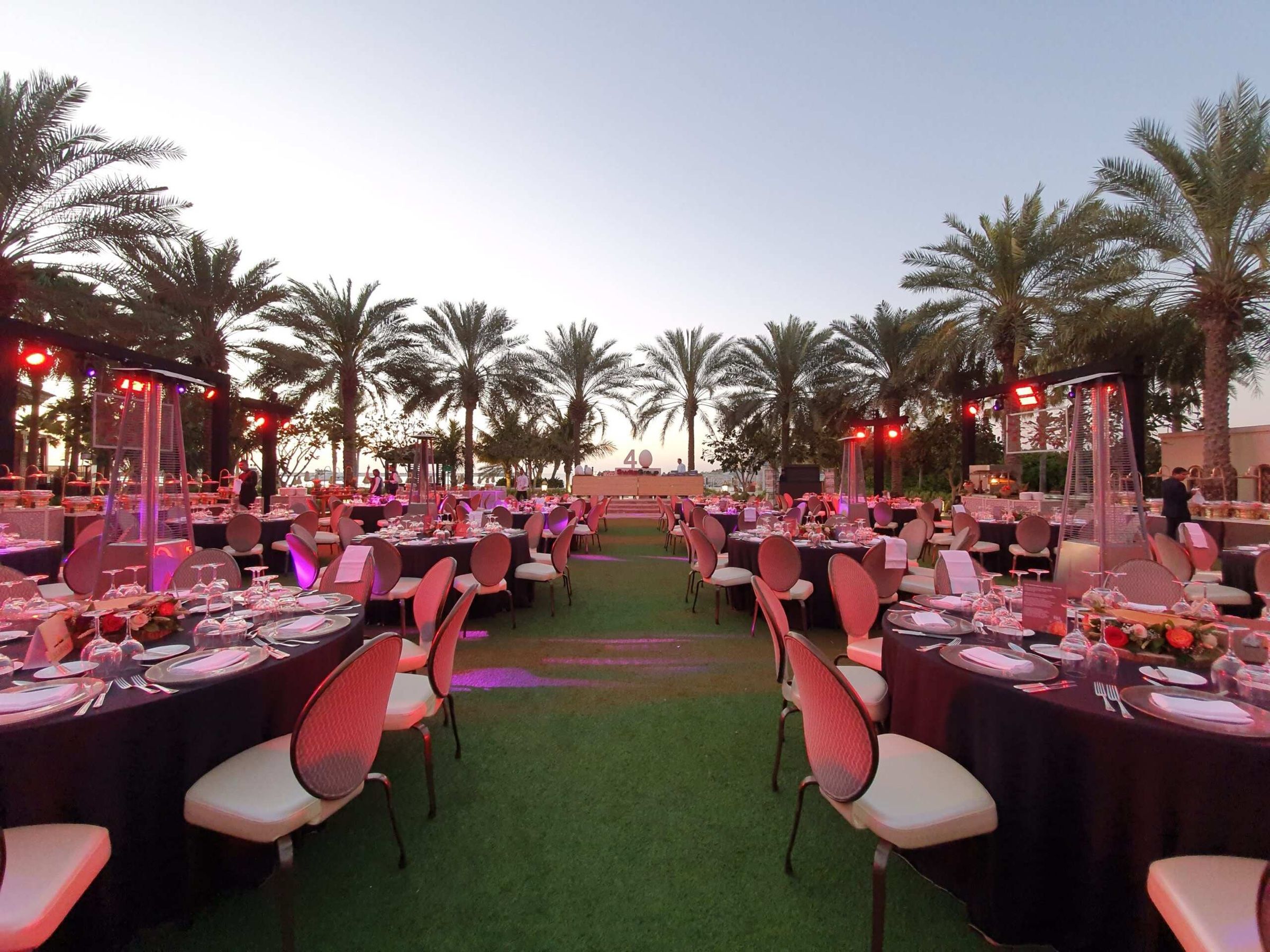
Tip 1: Define the Purpose of the Event Before the Numbers
The most common budgeting error is asking how much an event should cost before asking what it needs to achieve. A lead-generation event calls for spending on registration systems, content capture, and follow-up assets. A relationship-focused gathering may justify stronger investment in hospitality and service. An internal, morale-driven event might prioritise convenience and entertainment over elaborate branding.
Once the purpose is clear, separating essential spend from optional enhancements becomes far easier, and the entire budget can be built around outcomes instead of guesswork.
Tip 2: Map Every Core Cost Category From the Start
A financially controlled budget accounts for every major cost centre before planning gets underway, including:
• Venue hire and associated facility fees
• Catering and beverage service
• Production, staging, lighting, and sound
• Décor and styling
• Entertainment
• Staffing and on-site coordination
• Registration and guest management systems
• Branding, signage, and print materials
• Photography or videography
• Transport, accommodation, and permits
• Contingency and project management
Listing categories is only the first step. Understanding how they interact matters just as much. A venue with limited in-house infrastructure can quietly raise external AV and furniture costs, while a later event finish time can add to staffing, security, and transport spend.
Tip 3: Separate Fixed Costs From Variable Costs
Some costs stay largely the same regardless of final attendance; venue hire, core production setup, and branding installation typically fall into this group. Others move directly with guest numbers, such as catering, seating, and delegate materials.
Understanding this distinction is especially useful when attendance is still uncertain. A budget that clearly separates fixed and variable line items can absorb a shift of twenty or thirty guests without disrupting the rest of the plan.
Tip 4: Always Build in a Contingency Line
A contingency allowance is not a sign of uncertainty. It is a sign of a well-managed budget. Late guest changes, weather-related adjustments, additional power requirements, or revised security needs are common even in tightly run events. Holding back a sensible reserve prevents rushed, poorly evaluated approvals when something unexpected comes up close to the event date.
Tip 5: Allocate Spend Around What Guests Will Actually Notice
Financial control does not mean spending the least. It means spending with intention. Identify the two or three elements guests are most likely to remember for a gala dinner; that might be the venue, dining experience, and entertainment; for a conference, it might be stage design, sound clarity, and schedule flow.
Once those priorities are protected, the remaining budget can be shaped more carefully elsewhere, whether that means simpler décor, a tighter menu, or a venue that already carries strong visual impact on its own.
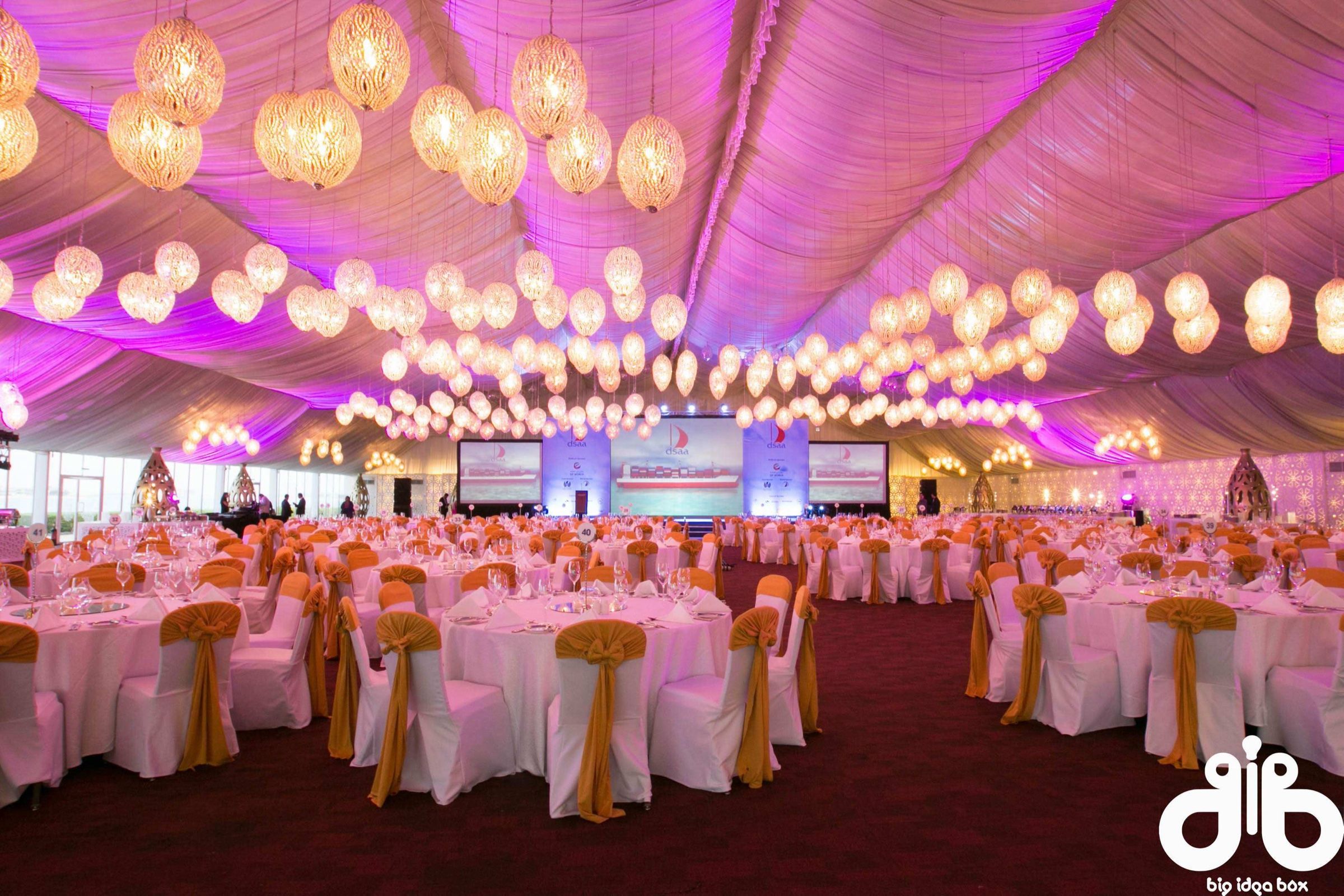
Tip 6: Watch for the Common Points Where Budgets Drift
Overruns tend to follow familiar patterns rather than appearing at random:
1. Guest numbers increase after catering has already been scoped.
2. Timelines extend, adding crew and staffing hours.
3. Branding becomes more layered after senior review.
4. Transport gets added late in the process.
5. Rehearsal time runs beyond the original schedule.
6. Technical production is underestimated at the proposal stage.
None of these issues is unusual on its own. What causes real damage is when several of them occur without anyone tracking the cumulative effect on the total budget.
Tip 7: Assign a Single Budget Owner
It is common for different departments to approve separate pieces of event entertainment, signage, and gifting without anyone holding the complete financial picture. A single budget owner, even when multiple stakeholders are contributing, keeps the full total visible and prevents the familiar situation where several small approvals quietly become one large surprise.
Tip 8: Compare Supplier Quotes on Scope, Not Just Price
A lower quote can look appealing until it becomes clear that setup time, testing, delivery, labour, or breakdown were excluded. A more detailed proposal may carry a higher initial cost but reduce risk and avoid expensive additions later. Clear, consistent briefs to every supplier make quotes easier to compare fairly.
Tip 9: Track Estimated and Confirmed Costs Separately
A budget only supports financial control if it is updated as decisions happen, not reconstructed from memory at the end of the week. Keeping estimated costs clearly separate from confirmed costs, and flagging anything still pending, gives decision-makers an accurate view at every stage rather than a false sense of certainty.
Tip 10: Review the Budget at Multiple Planning Stages
A single budget review at the start of planning is rarely enough. An early review confirms overall direction, a mid-stage review checks that concepts still align with financial expectations, and a final pre-event review catches late additions while there is still time to adjust course.
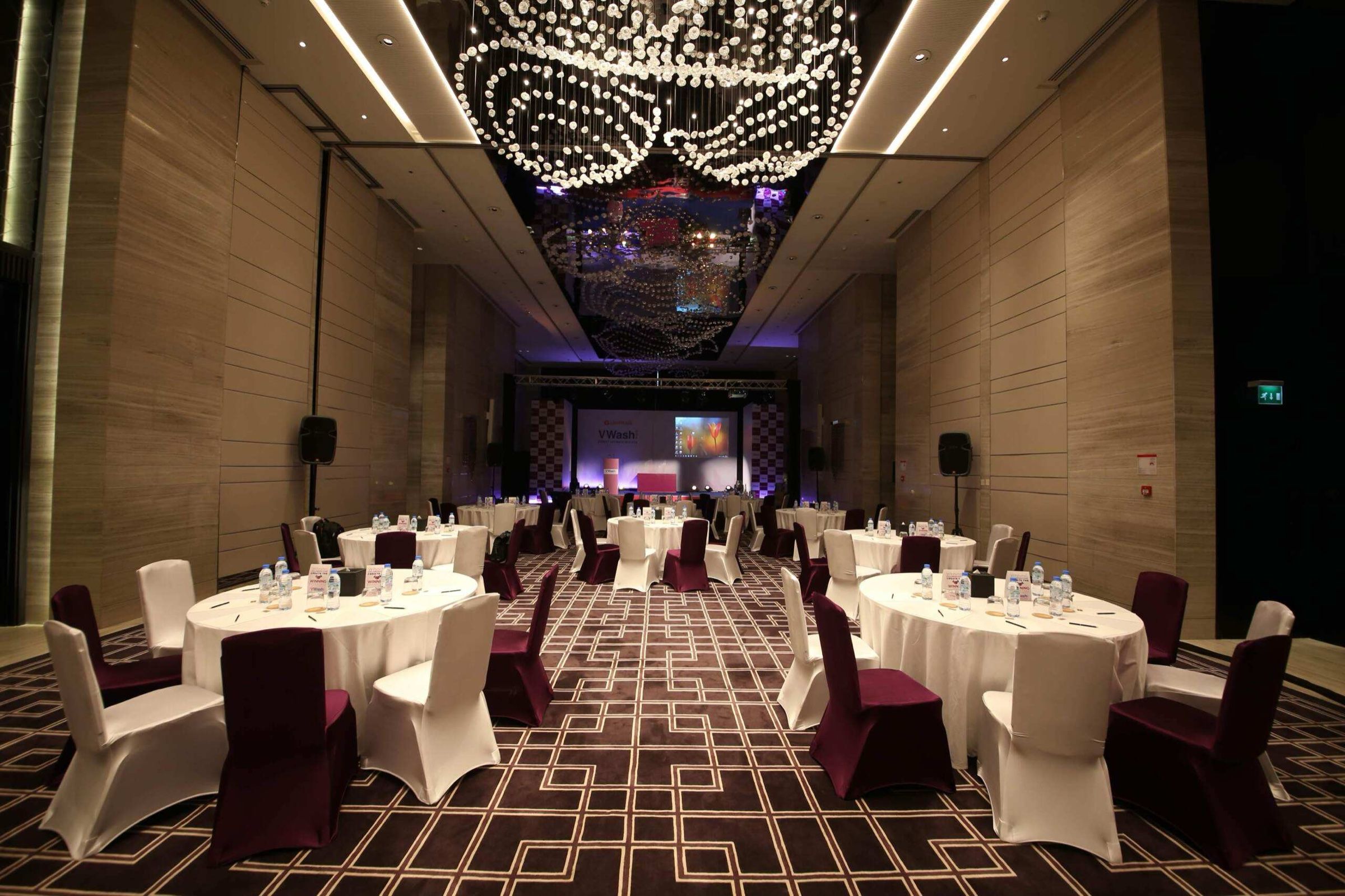
Final Thoughts
Financial control in corporate event planning is less about restriction and more about visibility. When objectives are defined early, cost categories are mapped in full, and a single owner tracks spend from estimate to confirmation, an event budget stops being a source of stress and becomes a working plan the whole team can rely on.
The organisations that manage this well are not necessarily the ones spending the least. They are the ones spending with purpose, protecting the details guests will notice, building in room for the unexpected, and reviewing the numbers often enough that nothing arrives as a surprise. That is what turns a budget from a static document into a genuine tool for financial control.
Frequently Asked Questions
Q1. What is the biggest mistake in corporate event budget planning?
A: Starting with a target cost rather than a clear event objective is the most common issue. Without a defined purpose, it becomes difficult to tell which costs are essential and which are optional.
Q2. How much contingency should be included in an event budget?
A: No fixed percentage suits every event, but most well-managed budgets set aside a dedicated contingency line rather than relying on leftover funds from other categories.
Q3. What is the difference between fixed and variable event costs?
A: Fixed costs, such as venue hire or core production setup, generally stay stable regardless of guest count. Variable costs, such as catering or seating, rise or fall directly with attendance numbers.
Q4. How can a business avoid budget drift during event planning?
A: Assigning a single budget owner, tracking estimated versus confirmed costs separately, and reviewing the budget at several planning stages are the most effective ways to catch drift before it becomes a large overrun.
Q5. Should the cheapest supplier quote always be selected?
A: Not necessarily. Quotes should be compared on a full scope, including setup, delivery, labour, and breakdown, since a lower price that excludes these elements can lead to unexpected costs later.
About the author: Humais Waqar, Marketing Head, Purrple Orryx Events. Humais Waqar leads marketing at Purrple Orryx Events, the Dubai corporate event management company, and writes about planning conferences, gala dinners, launches and team events in the UAE.