How Professional Gala Dinner Planners Transform Events into Lasting Memories
By Humais Waqar, Marketing Head, Purrple Orryx Events · 1 Jul 2026 · 8 min read
Planning a corporate event? We plan and deliver gala dinners end to end.
“Professional gala dinner planners transform ordinary events into unforgettable experiences by managing every detail, from design and logistics to guest experience and on-site coordination. They ensure smooth execution, perfect timing, and a memorable atmosphere that reflects the event’s purpose. With expert planning, hosts can enjoy the occasion while professionals handle the complexities behind the scenes.”
Some evenings stay with people long after the lights go down. Guests remember how the room felt, how effortless the transitions seemed, and how every detail appeared to fall into place without visible strain. That impression rarely happens by chance. Behind every gala dinner that lingers in memory is a team of professional gala dinner planners who have spent weeks, sometimes months, building the structure that allows the evening to unfold with quiet precision.
Gala dinners are not ordinary gatherings. They often mark significant milestones, honour achievement, support a cause, or bring together guests whose experience carries weight beyond the room itself. When the stakes are this high, the difference between an event that simply happens and one that becomes genuinely memorable comes down to the depth of planning behind it.
The Real Work Behind a Memorable Evening
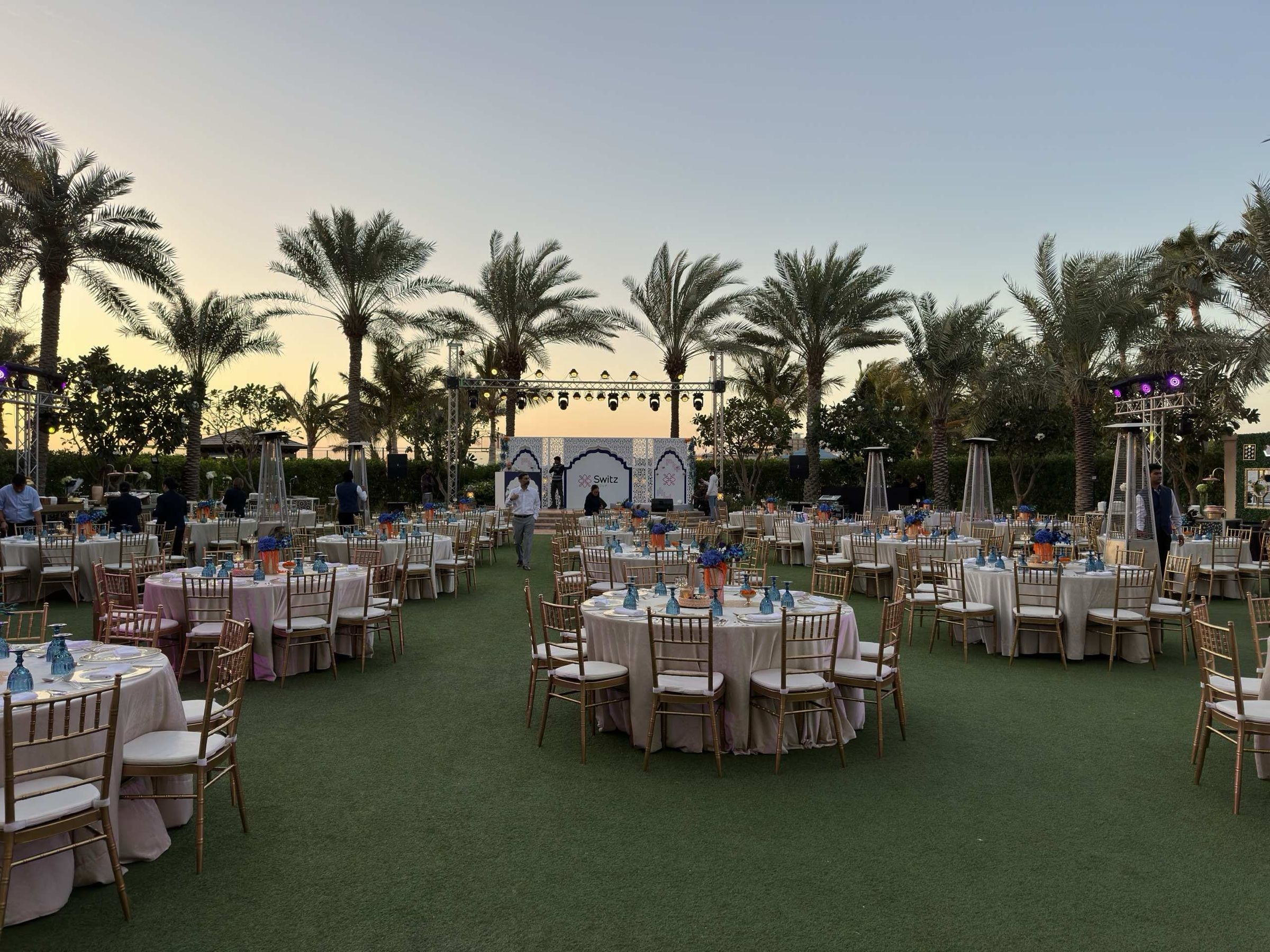
It is easy to assume that a striking gala is mostly about décor, lighting, and entertainment. Those elements matter, but they are only the visible layer of a much larger process. Professional planners are responsible for everything that makes those visible elements possible in the first place.
This work begins long before any table is set. It starts with understanding what the evening is meant to achieve. A fundraising gala carries a different emotional arc than a corporate recognition dinner. A milestone celebration may call for sentimental staging and storytelling, while a brand-hosted event may prioritise sharp visual identity and media-ready moments. Planners shape every subsequent decision around that underlying purpose, rather than repeating a standard formula across different occasions.
From there, the process expands into venue evaluation, guest flow mapping, catering coordination, entertainment sequencing, technical planning, and supplier management. Each of these areas has to work independently and in sync with the others. A menu that looks excellent on paper still has to be served within a tight window without disrupting the programme. A stage design has to accommodate both performers and speakers without compromising sightlines. None of this is left to chance when the planning is handled properly.
Why Guest Experience Defines Success
A gala dinner is ultimately judged through the eyes of the people attending it. Guests may not notice a flawlessly executed run sheet, but they will notice if service is slow, if transitions feel disjointed, or if the evening drags past its natural rhythm. This is why experienced gala dinner planners place guest experience management at the centre of everything they do.
Comfort plays a larger role in perceived luxury than many hosts expect. An elaborate centrepiece that blocks a guest's view of the stage undermines the evening more than it enhances it. A beautifully designed room with poor acoustics will frustrate guests even if every visual element is right. The strongest planners understand that guest experience management is not a separate consideration from design; it is the lens through which every design decision should be evaluated.
Timing reinforces this further. When dinner service runs late, everything downstream shifts. Speeches get compressed, entertainment loses its intended impact, and the room can start to feel uncertain rather than composed. Planners who manage this well build in enough structure to keep things moving, while leaving enough flexibility to absorb the small surprises that every live event produces.
Turning Vision into Workable Design
Every host arrives with some version of a vision, whether it is a mood board, a colour palette, or simply a feeling they want guests to walk away with. Translating that vision into a workable event design is one of the more technical parts of gala dinner planning, and it is where experience becomes especially valuable.
Event styling and décor decisions cannot be made in isolation from the venue's physical constraints. A dramatic floral installation might be visually stunning, but if it interferes with service routes or overwhelms the room's proportions, it works against the very effect it was meant to create. Skilled planners know how to preserve the ambition of a design while adjusting scale, placement, and materials so the room still functions as an event space.
This is also where venue coordination services matter most. Every venue comes with its own restrictions around load-in times, power capacity, noise limits, and layout flexibility. A planner who understands these constraints early can design around them rather than discovering problems during setup, when there is little room left to adapt.
Managing the Moving Parts
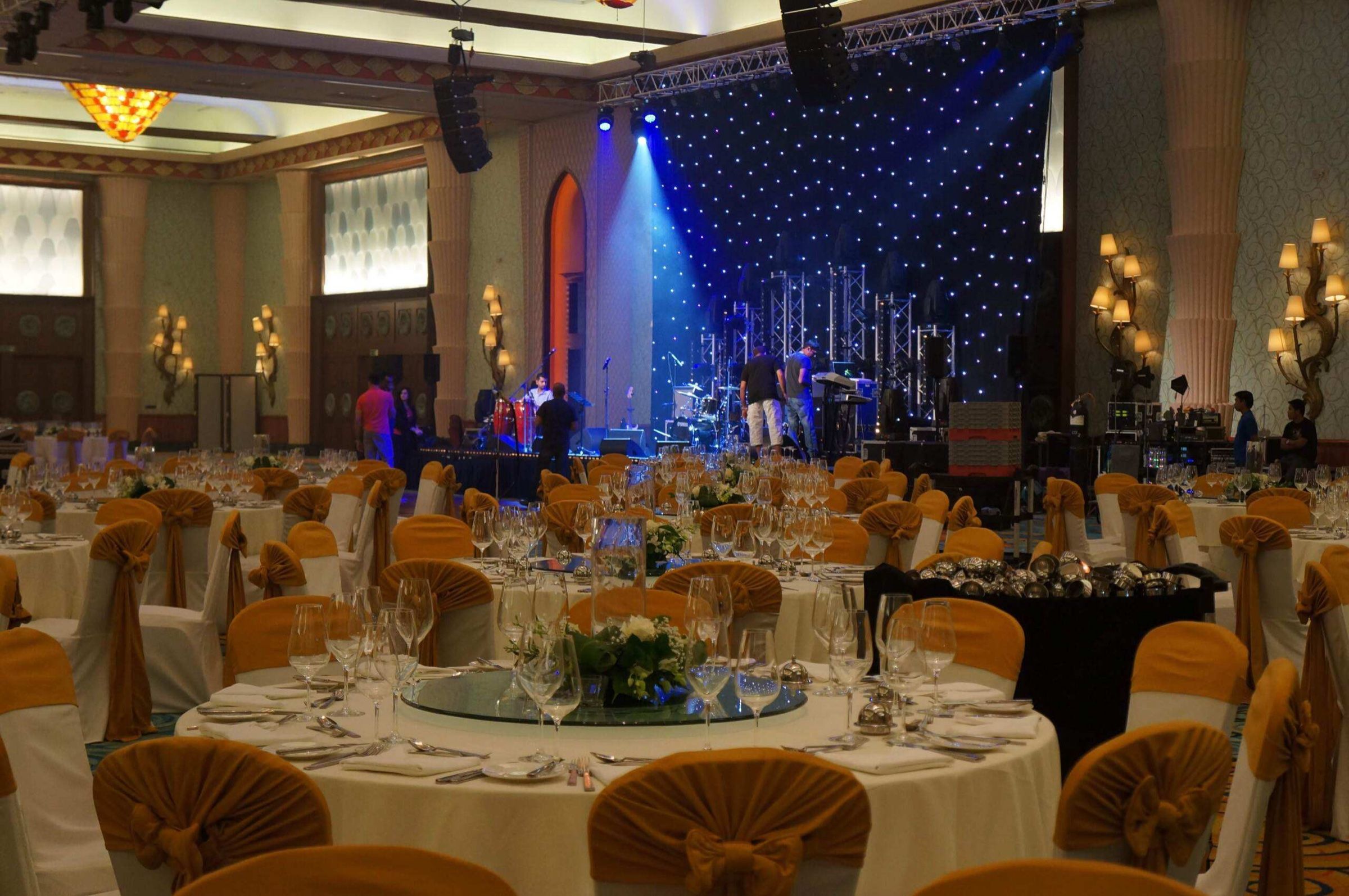
A gala dinner involves more coordinated moving parts than most hosts anticipate. Catering teams, entertainment acts, technical crews, décor suppliers, and venue staff all need to operate on a shared timeline, often with very little margin for error. When these elements are managed separately rather than as one connected system, small misalignments start to surface: a delayed sound check pushes back rehearsal time, a late delivery affects table setup, a change in guest numbers ripples through seating and catering at once.
This is precisely why event logistics management sits at the core of professional planning. Rather than treating each supplier as an independent contact, planners build a single coordinated framework where every party understands their role in relation to the others. Run sheets, supplier timelines, and rehearsal schedules are built to interlock, so that a shift in one area can be absorbed without destabilising the rest of the evening.
Scale adds another layer of complexity. An intimate gathering of a few dozen guests still requires careful planning, but a large-scale gala with hundreds of attendees, multiple stakeholders, and layered production elements leaves far less room for improvisation. Bigger is not automatically better, but larger events do require more disciplined coordination to avoid visible strain.
The On-Site Difference
However thorough the planning phase, the value of professional gala dinner planners becomes most apparent on the day of the event itself. This is when on-site event coordination determines whether all the earlier preparation actually holds together under real conditions.
On the night, planners act as the central point of control. They oversee supplier arrivals, confirm technical rehearsals, check styling against the original design, and monitor timing throughout service. When something shifts, whether a speaker arrives late or a technical issue needs a quick fix, the adjustment happens quietly, without guests ever sensing disruption. This calm, composed execution is rarely a matter of luck. It comes from anticipating likely problems well in advance and having a plan ready before they occur.
Hosts benefit enormously from this arrangement, since it frees them to actually participate in their own event. Rather than managing suppliers or checking on logistics, a host with strong on-site coordination in place can focus on welcoming guests, engaging with key attendees, and enjoying the evening they helped design.
Where Corporate Events Raise the Stakes
For organisations, a gala dinner is rarely just a social occasion. It often reflects directly on brand perception, stakeholder relationships, and internal culture. This is where corporate event planners bring a distinct kind of value, understanding not just event mechanics but the broader business context an event needs to support.
A leadership recognition dinner may require discreet arrival management and structured protocol for senior executives. A fundraising gala planning process may need careful sequencing between emotional storytelling and the practical mechanics of donations or pledges. A product launch dressed as a gala may prioritise staging and visual identity above all else. Corporate event planners tailor their approach to these differing objectives, rather than applying the same template regardless of context.
Budget discipline matters here as well. Corporate hosts are typically accountable to stakeholders for how funds are spent, which makes transparency around planning decisions especially important. A dependable planning process explains where investment is going, where efficiencies exist, and where reducing spend could visibly compromise the guest experience.
Luxury Production Without Excess
There is a common misconception that luxury event production means adding more, more entertainment, more décor, more technical spectacle. In practice, the most memorable galas often demonstrate restraint. Elegant table styling, thoughtful lighting, well-paced entertainment, and attentive service frequently create a stronger impression than an overloaded programme trying to do too much at once.
This is a judgment call that experienced planners are well positioned to make. They understand that visual ambition has to sit comfortably alongside practical delivery. Not every gala needs a heavily produced show to feel significant. Sometimes the most sophisticated evenings are the ones where every element feels deliberate, and nothing feels forced.
Common Mistakes That Undermine an Otherwise Strong Event
Several recurring issues tend to weaken gala dinners that are not guided by experienced planning.
One frequent mistake is underestimating how long live events genuinely take to run. Programmes are often built too densely, leaving little breathing room for arrivals, natural delays, or extended networking moments. The result is an evening that either feels rushed throughout or drifts noticeably off schedule before its key moments even begin.
Another common issue is treating suppliers as isolated vendors rather than parts of a single coordinated system. When catering, entertainment, décor, and technical teams operate without a shared framework, small inconsistencies start to compound. Professional event design and staging processes exist specifically to prevent this kind of fragmentation.
Finally, many self-managed events prioritise visual appearance over guest comfort. Overly ambitious layouts, restricted sightlines, or poorly timed entertainment breaks can undercut an otherwise beautiful design. True luxury, as experienced planners consistently point out, includes comfort as a core ingredient, not an afterthought.
What Hosts Should Look For
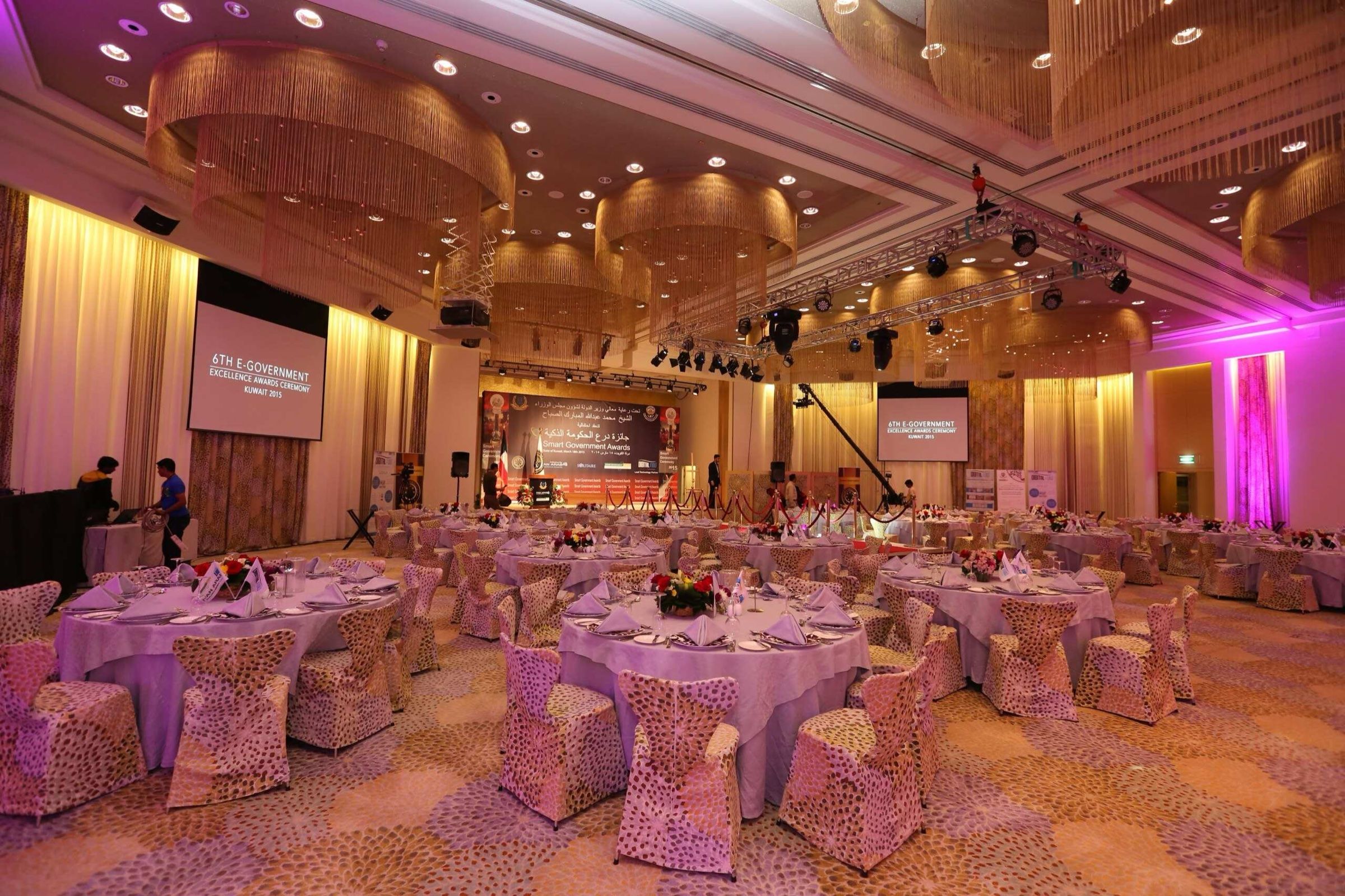
When evaluating professional planning support, it helps to look beyond portfolio photography, since a beautiful image only tells part of the story. Hosts benefit from asking how the planning process is structured, what is managed in-house versus outsourced, and who will be present on-site throughout the event itself.
It is equally important to understand how a planning team approaches contingency situations. A late-arriving guest of honour, a shift in final headcount, or a last-minute venue restriction can all affect the evening, and a well-prepared team should already have a response ready rather than improvising under pressure. Clear, responsive communication throughout the planning process is often one of the clearest indicators of how the event itself will be managed.
Final Thoughts
A gala dinner that becomes a lasting memory rarely happens through good fortune alone. It is the product of careful planning across design, logistics, timing, and guest experience, all coordinated by people who understand how these elements depend on one another. Professional gala dinner planners exist to carry that responsibility so that hosts and guests alike can simply be present in the moment.
The evenings people remember are not necessarily the most expensive or the most elaborate. They are the ones that felt coherent, comfortable, and considered from start to finish. That kind of outcome is the quiet result of thorough preparation, and it is exactly what professional planning is designed to deliver.
FAQs
Q1. What is the main role of a gala dinner planner?
A: A gala dinner planner is responsible for coordinating every aspect of the event, from venue selection and design through to supplier management, timing, and on-site execution, ensuring the evening runs smoothly from start to finish.
Q2. How far in advance should gala dinner planning begin?
A: Timelines vary depending on scale, but most gala dinners benefit from several months of lead time, allowing enough room for venue sourcing, design development, supplier coordination, and rehearsal scheduling.
Q3. Do gala dinner planners only handle décor and styling?
A: No. While styling is one visible component, planners also manage logistics, guest experience, technical production, catering coordination, and on-site problem-solving throughout the event.
Q4. How do planners handle unexpected issues on the event day?
A: Experienced planners anticipate potential disruptions in advance and prepare contingency approaches, allowing them to resolve issues quietly and quickly without affecting the guest experience.
Q5. What makes corporate gala planning different from other events?
A: Corporate galas often need to reflect brand identity, manage stakeholder expectations, and follow specific protocols for executives or VIP guests, which requires a more structured and business-aware planning approach.
Q6. Is a bigger gala always a better one?
A: Not necessarily. Larger events involve more complexity and leave less room for improvisation, so scale should be matched with strong logistical planning rather than treated as a measure of success on its own.
Q7. How important is guest comfort compared to visual design?
A: Guest comfort is a core part of a successful gala rather than a secondary consideration. Even the most visually striking design can fall short if it compromises sightlines, acoustics, or ease of movement.
About the author: Humais Waqar, Marketing Head, Purrple Orryx Events. Humais Waqar leads marketing at Purrple Orryx Events, the Dubai corporate event management company, and writes about planning conferences, gala dinners, launches and team events in the UAE.