Small Booth, Big Impact: Smart Strategies for Exhibit Design
By Humais Waqar, Marketing Head, Purrple Orryx Events · 21 Apr 2026 · 5 min read
Planning a corporate event? We plan and deliver exhibition stands end to end.
“A small booth doesn’t limit your impact; it sharpens it. With thoughtful design, clear messaging, and smart use of space, even the smallest setup can draw attention and spark real connections. It’s not about how big your booth is, it’s about how meaningful the experience feels. When every element works with purpose, your brand leaves a lasting impression.”
There’s a quiet pressure that comes with trade shows. You want to stand out. You want people to stop, notice, engage, and remember your brand long after the event ends. But then reality hits… limited space, tight budgets, and endless competition around you.
Here’s the truth most successful brands already know: impact isn’t about size. It’s about intention. A thoughtfully designed small booth can outperform a large, cluttered exhibit any day. It’s not about how much space you have, it’s about how smartly you use it.
If you’ve invested in a compact booth, you’re already on the right track. Now it’s time to turn that space into something powerful, memorable, and genuinely engaging. Let’s walk through strategies that will help you transform a small footprint into a big experience.
Why Small Booths Can Be Surprisingly Powerful
Small booths force clarity. You don’t have room for distractions or unnecessary elements; every decision matters. Every visual, every interaction, every inch of space has a purpose.
That focus often leads to better results. Visitors don’t feel overwhelmed. Instead, they feel welcomed into a space that’s easy to understand and enjoyable to explore. When done right, small booths feel intentional, approachable, and surprisingly impactful.
1. Make Visuals Work Harder for You
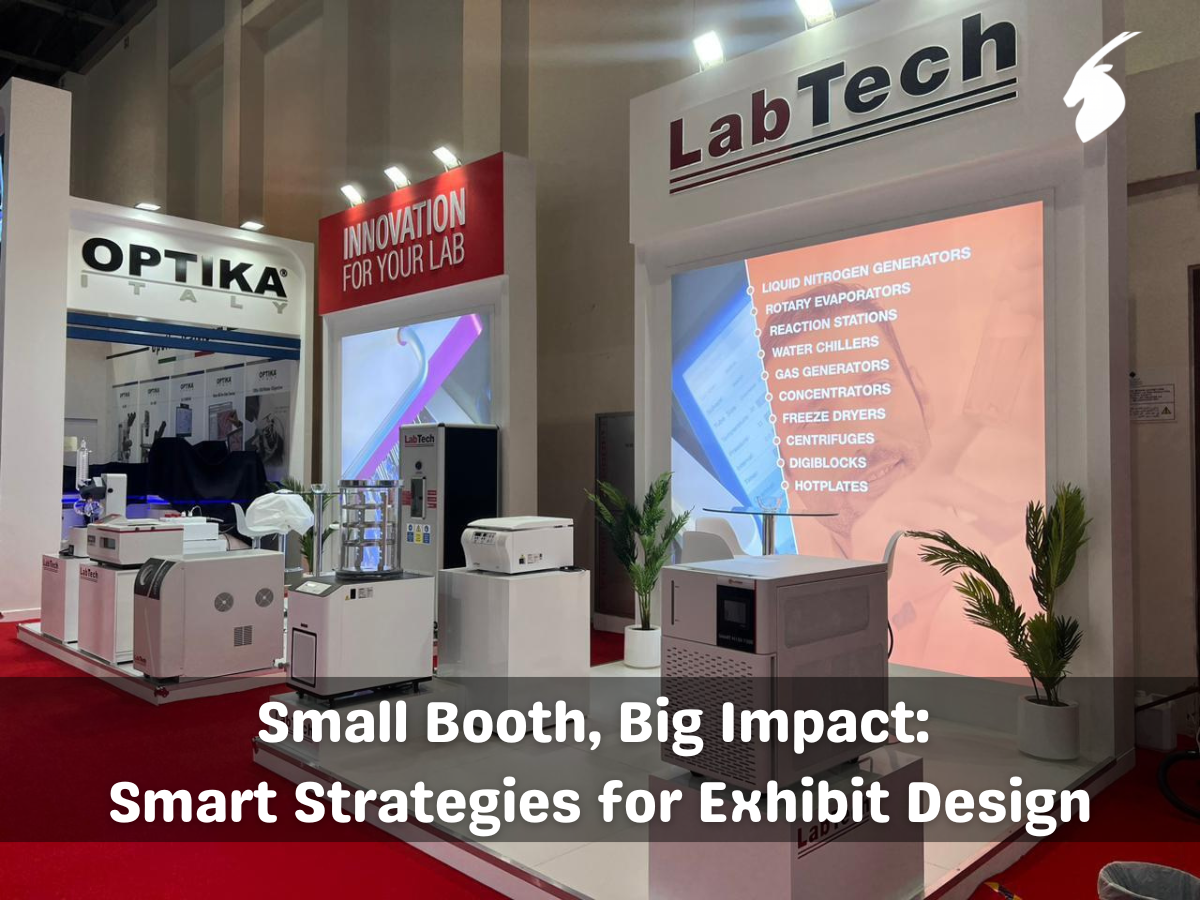
First impressions happen fast. In a crowded exhibition hall, you have just a few seconds to catch attention. That’s where eye-catching booth design comes in. Use bold, high-contrast graphics that communicate your message instantly. Avoid cluttered visuals and focus on one strong idea.
- Use large, readable fonts.
- Stick to your brand colors
- Highlight one core message
Strong trade show graphics don’t just decorate your booth; they guide visitors toward you.
2. Use Vertical Space to Expand Your Presence
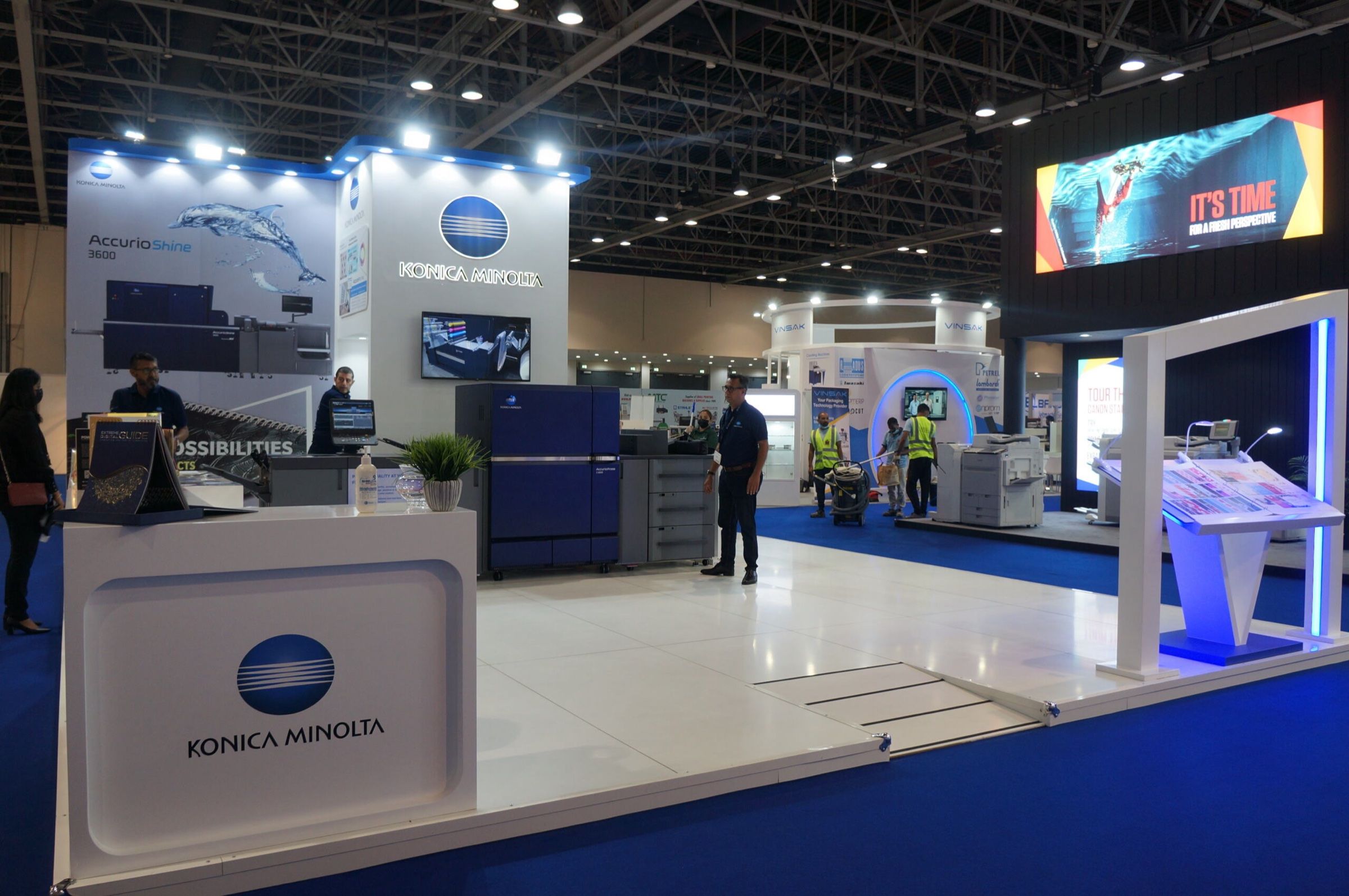
When floor space is limited, think upward. Vertical design is one of the most effective ways to maximize a small booth.
Tall banners, shelving units, and hanging elements naturally draw attention. They make your booth visible from a distance and create the illusion of a larger space. Smart use of modular booth design allows you to build height without adding bulk. It’s a simple shift in perspective that delivers a big visual payoff.
3. Create Interactive Experiences
People remember experiences, not displays. Adding interactive booth elements transforms your space from passive to engaging. This doesn’t mean expensive setups. Even simple interactions can make a difference:
- Touchscreens for product demos
- QR codes for instant access to content
- Small digital games or quizzes
Please incorporate immersive brand experiences like AR or VR. These allow you to showcase more without taking up physical space.
4. Keep It Clean with Minimalist Design
One of the biggest mistakes small booths make is trying to do too much. Minimalism isn’t about having less; it’s about showing what matters most. A clean layout improves flow, reduces confusion, and keeps visitors focused.
Use space-saving booth ideas like:
- Hidden storage compartments
- Multi-purpose furniture
- Foldable displays
Less clutter means more clarity. And clarity drives engagement.
5. Lighting That Guides Attention
Lighting is often overlooked, but it’s one of the easiest ways to elevate your booth. Strategic lighting creates mood, highlights key areas, and makes your space feel inviting.
Use:
- LED strips for edges and outlines
- Spotlights to highlight products
- Accent lighting to create depth
Effective LED lighting for exhibits can make even a simple setup feel premium.
6. Design for Movement and Flow
Your booth isn’t just a space, it’s an experience. And experiences depend on how people move through them. Think about entry points, pathways, and interaction zones. Avoid blocking access with bulky furniture. Good exhibition marketing strategies consider how visitors approach, pause, and engage. The smoother the flow, the longer they stay.
7. Smart Furniture Choices Matter
Furniture isn’t just functional; it shapes behavior.
- Barstools encourage quick conversations.
- Lounge seating invites longer discussions
- Compact counters save space while staying practical
Choosing the right trade show booth layout helps you create zones without overcrowding. Every piece should serve a purpose.
8. Add Warmth with Texture and Greenery
Exhibition halls can feel repetitive. Break that pattern by adding warmth and texture. Greenery, whether real or artificial, softens the space and makes it more inviting. It also helps create subtle boundaries within your booth. This simple addition enhances brand visibility at events by making your booth feel different from the rest.
9. Focus on One Clear Message
A small booth can’t communicate everything, and it shouldn’t try to. Choose one key message or product and build your entire design around it. This clarity strengthens customer engagement at trade shows because visitors instantly understand what you offer.
10. Blend Design with Purpose
Great booths aren’t just beautiful, they’re strategic. Every element should align with your goals. Whether it’s lead generation, product awareness, or networking, your booth should support that purpose. This is where thoughtful planning, often supported by an experienced event planner, becomes essential. Pair that with strong event day management, and your booth won’t just look good; it will perform.
Where Strategy Meets Impact
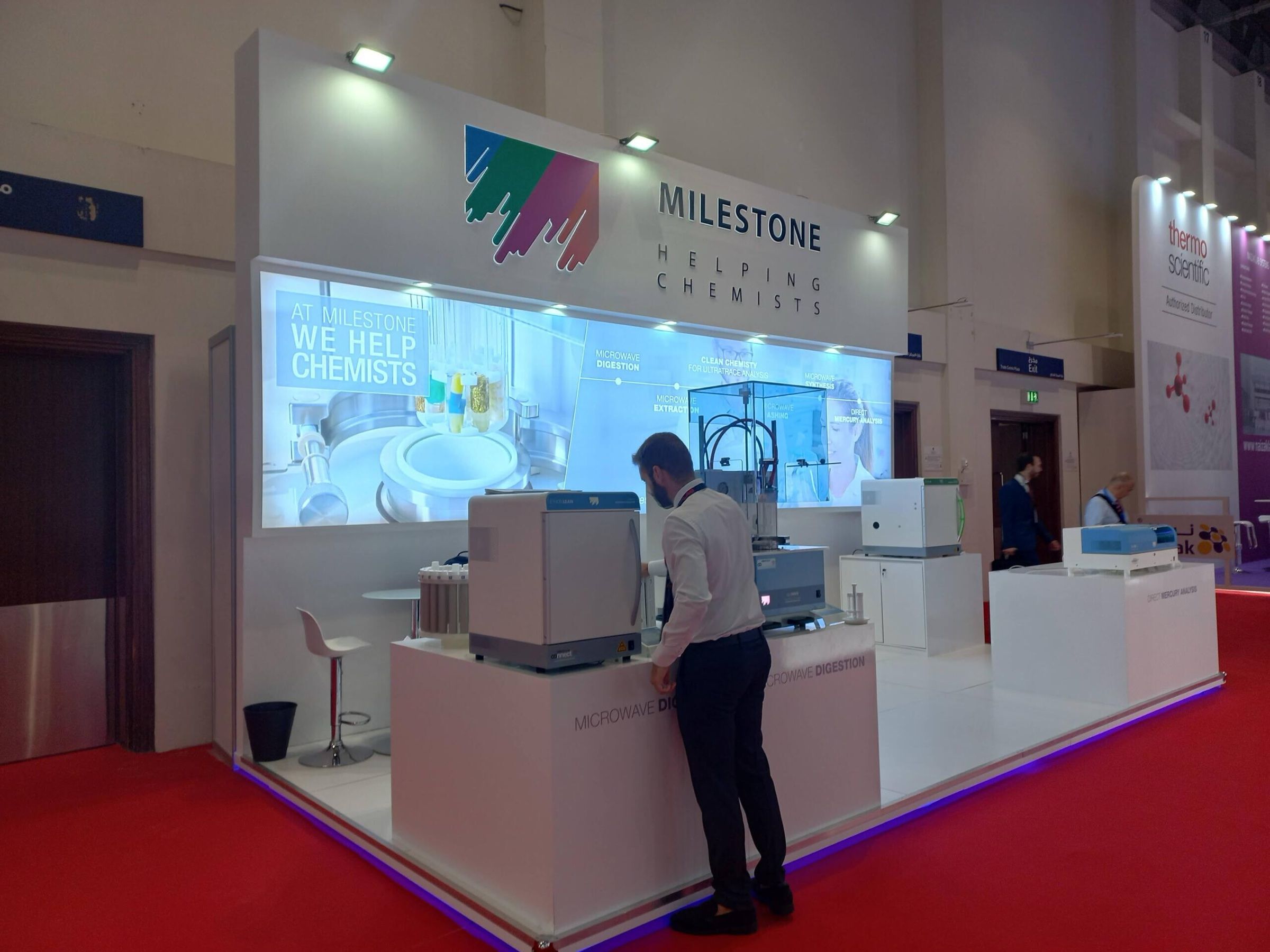
This is the moment where all your decisions come together and start working for you. Every element you’ve chosen, from bold visuals and smart lighting to space-saving layouts and interactive touches, begins to serve a single purpose: creating a meaningful connection with your audience. It’s no longer just a booth; it’s a carefully designed experience. When strategy leads the way, nothing feels random or overcrowded. Your message is clear, your space feels inviting, and visitors know exactly where to look and what to do. That clarity builds confidence, not just for your audience, but for your team as well. Conversations flow more naturally, engagement feels effortless, and your brand leaves a stronger impression.
This is the real power of thoughtful exhibit booth design. You’re not trying to compete with bigger booths; you’re outsmarting them. By focusing on intention over size, your booth becomes a space that attracts, connects, and delivers results that truly matter.
Final Thoughts
Something is empowering about doing more with less. Small booths challenge you to think differently, to focus on what truly matters, and to create meaningful connections instead of just visual noise.
When you approach your design with clarity and purpose, your booth stops competing on size and starts winning on impact. So the next time you step onto that exhibition floor, remember this: you don’t need more space to stand out. You just need a smarter strategy.
FAQs
Q1. How can I make my small booth stand out in a crowded exhibition?
A: Focus on bold visuals, clear messaging, and strategic lighting. Keep your design simple but impactful to grab attention quickly.
Q2. What is the best layout for a small exhibition booth?
A: An open layout with defined zones for interaction works best. Avoid clutter and ensure easy movement within the space.
Q3. Are interactive elements necessary for small booths?
A: They’re not mandatory, but they significantly boost engagement. Even simple digital interactions can make a big difference.
Q4. How do I maximize storage in a compact booth?
A: Use hidden compartments, multi-functional furniture, and vertical storage solutions to keep the space organized.
Q5. Should I choose a custom or modular booth design?
A: Modular booths are cost-effective and flexible, while custom designs offer unique branding. Choose based on your budget and long-term needs.
About the author: Humais Waqar, Marketing Head, Purrple Orryx Events. Humais Waqar leads marketing at Purrple Orryx Events, the Dubai corporate event management company, and writes about planning conferences, gala dinners, launches and team events in the UAE.