Ramadan in the UAE: Connecting Communities and Cultures
By Humais Waqar, Marketing Head, Purrple Orryx Events · 11 Mar 2026 · 5 min read
Planning a corporate event? We plan and deliver corporate iftars end to end.
“Ramadan in the UAE beautifully brings people together, creating moments of unity, generosity, and cultural connection. During this holy month, communities from diverse backgrounds share iftar meals, participate in charitable acts, and celebrate meaningful traditions. It becomes more than a time of fasting. It turns into a powerful experience that strengthens relationships and celebrates the spirit of togetherness.”
When the crescent moon signals the beginning of Ramadan, the United Arab Emirates transforms into a place filled with reflection, generosity, and unity. The streets glow with lanterns, mosques echo with prayers, and homes prepare for the cherished moments of iftar.
Yet Ramadan in the UAE is much more than a religious observance. It becomes a powerful cultural experience that connects people from different backgrounds, traditions, and beliefs.
With over 200 nationalities living in the holy month acts as a bridge that brings communities closer. From shared meals to charity initiatives and vibrant cultural activities, Ramadan creates a unique environment where diversity thrives in harmony. In this blog, we explore how Ramadan strengthens cultural understanding, builds relationships, and celebrates the beauty of togetherness.
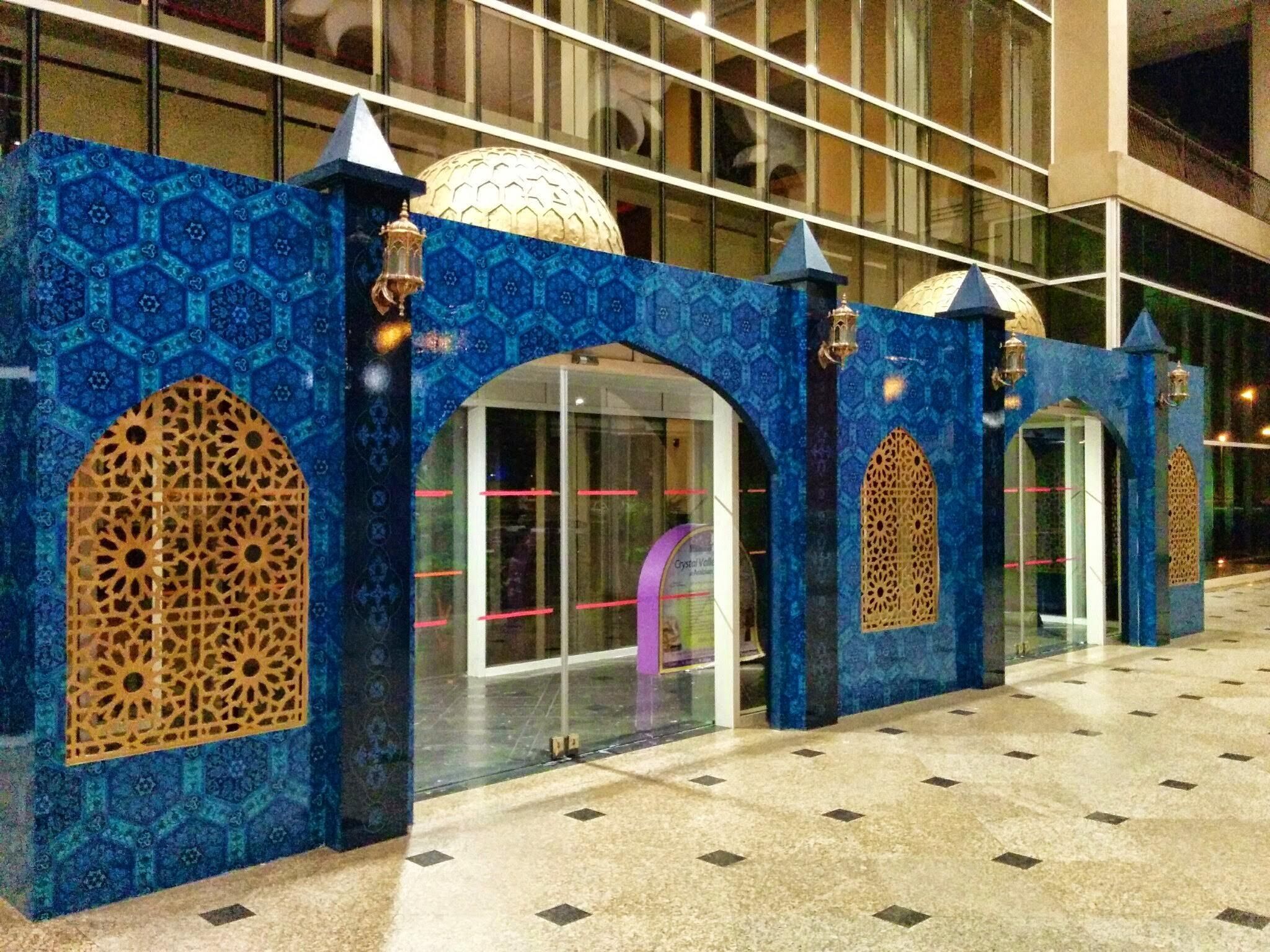
The Spirit of Ramadan
Ramadan is the ninth month of the Islamic lunar calendar and holds deep spiritual significance for Muslims worldwide. During this time, fasting from dawn until sunset becomes an act of devotion, self-discipline, and gratitude.
The month carries an added dimension because of the country’s multicultural society. Ramadan traditions here blend Emirati heritage with global influences. Mosques fill with worshippers during nightly prayers, while homes and public spaces host gatherings that welcome both Muslims and non-Muslims.
One of the most remarkable aspects of Ramadan traditions in the UAE is the spirit of inclusion. Communities come together regardless of nationality, creating a shared cultural experience that reflects the country’s values of tolerance and respect.
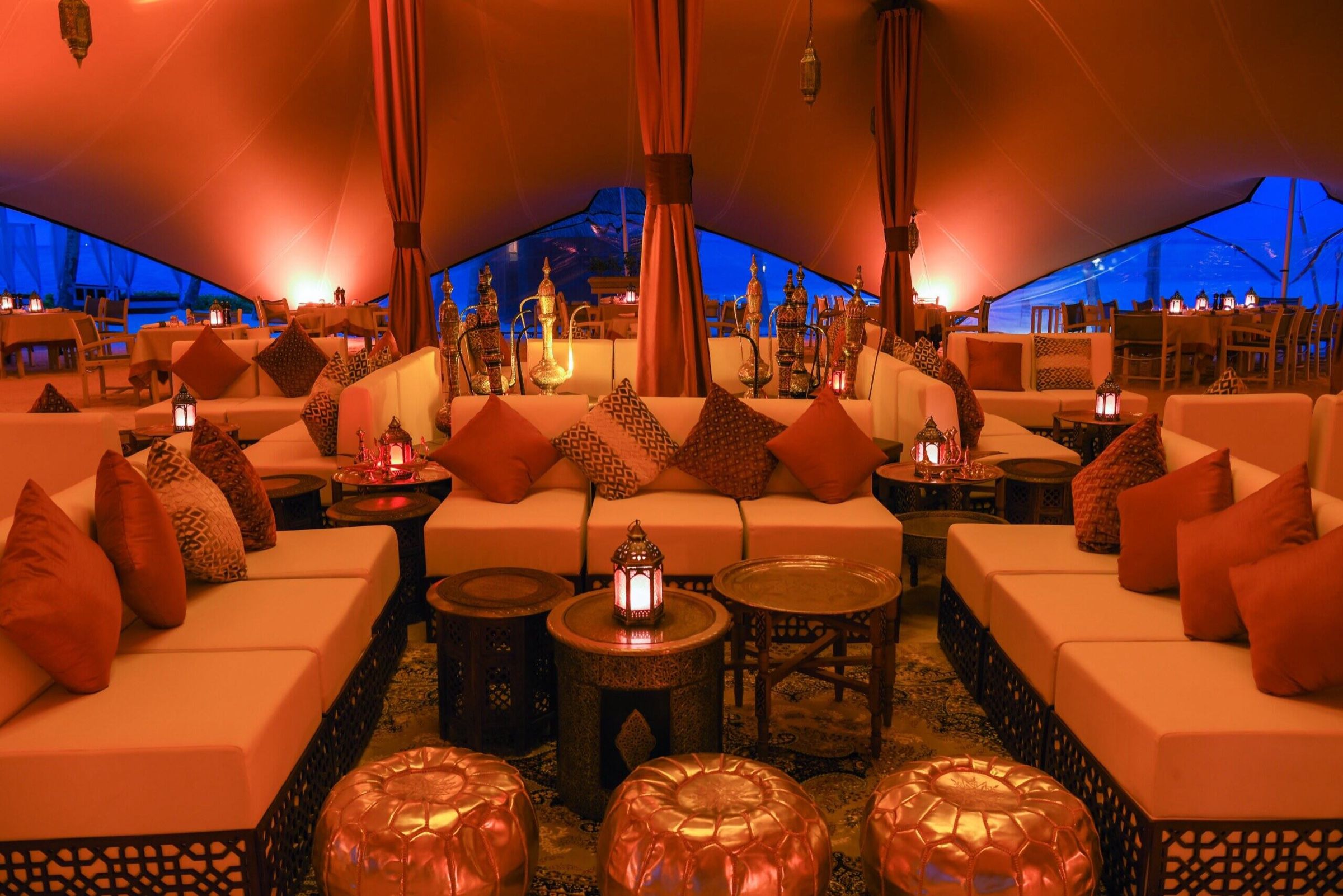
Shared Iftar: A Symbol of Unity
A few moments during Ramadan capture the spirit of togetherness, like iftar, the meal that breaks the fast at sunset. long tables are prepared in mosques, community centers, and public spaces to welcome people from all walks of life.
Workers, families, travelers, and residents gather side by side to share food and conversation. These community iftar gatherings embody generosity and hospitality, two values deeply rooted in Emirati culture.
The tradition of iftar gatherings in the UAE goes beyond the meal itself. It becomes a moment where strangers become friends and neighbors connect. The act of sharing dates, water, and warm dishes creates bonds that transcend cultural differences.
Cultural Events That Celebrate Diversity
Throughout the month, cities like Dubai and Abu Dhabi host vibrant Ramadan cultural activities that highlight both Islamic heritage and multicultural identity.
These celebrations include:
- Traditional music and storytelling sessions
- Islamic art exhibitions
- Cultural workshops for families and children
- Heritage performances that showcase Emirati customs
Many communities also organize Ramadan events that invite residents to experience the beauty of the holy month. These gatherings often feature traditional food, handicrafts, and entertainment that reflect the cultural diversity of the region.
Such events help people understand the deeper meaning of Ramadan while celebrating the richness of different cultures living together.
The Role of Charity and Giving
One of the most meaningful aspects of Ramadan is the emphasis on compassion and generosity. Acts of charity become central during the month, reminding individuals to support those in need.
campaigns and volunteer initiatives flourish. Food drives, clothing donations, and meal distribution programs bring thousands of volunteers together.
These charities, during Ramadan in the UAE, create a sense of shared responsibility within the community. People from different nationalities join forces to prepare meals, distribute supplies, and assist families in need.
The culture of giving reflects the true spirit of Ramadan. It reinforces the idea that helping others is not just a responsibility but also a source of fulfillment and unity.
Ramadan Markets and Nightlife
After sunset, come alive with bustling Ramadan night markets. These lively spaces offer an unforgettable cultural experience where people gather to shop, dine, and enjoy festive activities.
Visitors can explore stalls featuring:
- Traditional Emirati dishes
- International cuisine
- Handmade crafts and souvenirs
- Decorative lanterns and ornaments
The markets also showcase creative Ramadan event décor, transforming public spaces into magical settings filled with lights, patterns, and cultural symbols.
Families stroll through the markets, children enjoy performances, and friends share late-night meals. These vibrant evenings highlight the joyful side of Ramadan while strengthening community connections.
Workplaces Reflect the Spirit of Ramadan
The influence of Ramadan extends into workplaces as well. Businesses adapt their schedules and practices to respect the rhythm of fasting and prayer.
Companies often organize internal gatherings where employees share iftar meals. These moments strengthen relationships among colleagues from different cultures.
Corporate teams may also host Ramadan corporate gatherings that combine celebration with appreciation for employees and partners. Planning these events often requires thoughtful event-day management to ensure smooth coordination and meaningful experiences for everyone involved.
The result is a workplace environment that values empathy, flexibility, and cultural awareness.
Building Bridges Through Cultural Awareness
It actively promotes education about Ramadan to ensure that all residents understand its significance. Institutions and community organizations host programs that explain fasting practices, traditions, and etiquette during the holy month.
These efforts encourage mutual respect and reduce cultural misunderstandings. Non-Muslim residents gain insights into the spiritual meaning of Ramadan, while Muslim communities feel supported and appreciated.
Discussions around event coordination vs event management also become relevant when organizing large-scale cultural programs during Ramadan. These discussions help communities create well-planned experiences that honor both tradition and modern expectations.
Technology and Social Media During Ramadan
In today’s digital world, technology plays an important role in shaping the Ramadan experience. Social media platforms allow people to share iftar recipes, charitable initiatives, and inspirational messages.
Online communities organize events, promote volunteer opportunities, and encourage participation in cultural programs. Through digital platforms, the spirit of Ramadan reaches beyond geographical boundaries.
Families separated by distance can connect virtually, while organizations use technology to expand their outreach efforts. This modern layer of connectivity strengthens the sense of global unity during the holy month.
Ramadan as a Cultural Bridge
Perhaps the most beautiful aspect of Ramadan is its ability to unite people from different cultures. The holy month reminds everyone of shared human values: kindness, patience, compassion, and generosity.
Residents from around the world come together to celebrate traditions that may be new to them but quickly feel familiar. Whether through community meals, charity initiatives, or cultural events, Ramadan creates moments that bring people closer.
The UAE’s commitment to tolerance and coexistence allows Ramadan to become more than a religious observance. It becomes a celebration of humanity and diversity.
Final Thoughts
Ramadan is a powerful reminder of how traditions can unite people across cultures and backgrounds. In a nation known for its diversity, the holy month creates a shared space where communities gather, learn from one another, and celebrate common values.
From community iftars and cultural festivals to charitable initiatives and vibrant night markets, every aspect of Ramadan strengthens social bonds. It reflects the UAE’s vision of a society built on respect, compassion, and unity.
As the month unfolds each year, Ramadan continues to inspire connection and understanding. It reminds us that when people come together with kindness and generosity, cultural differences become a source of beauty rather than division.
FAQs
Q1. Why is Ramadan important in the UAE?
A: Ramadan is a significant religious and cultural period in the UAE. It encourages spiritual reflection, fasting, charity, and community gatherings that strengthen social bonds.
Q2. How does Ramadan bring communities together in the UAE?
A: Shared iftar meals, volunteer activities, and cultural events allow residents from different backgrounds to interact, celebrate traditions, and build meaningful connections.
Q3. Are non-Muslims allowed to participate in Ramadan activities?
A: Yes, many Ramadan events and community gatherings welcome non-Muslims. These activities provide opportunities to learn about Islamic traditions and participate in cultural celebrations.
Q4. What role does charity play during Ramadan?
A: Charity is a core element of Ramadan. Many individuals and organizations contribute to food drives, donation campaigns, and volunteer programs to help those in need.
Q5. What are some popular Ramadan traditions in the UAE?
A: Common traditions include fasting from dawn to sunset, community iftars, night prayers, charity initiatives, Ramadan markets, and cultural celebrations across cities.
About the author: Humais Waqar, Marketing Head, Purrple Orryx Events. Humais Waqar leads marketing at Purrple Orryx Events, the Dubai corporate event management company, and writes about planning conferences, gala dinners, launches and team events in the UAE.