15 Creative Exhibition Stand Design Ideas to Attract More Visitors
By Humais Waqar, Marketing Head, Purrple Orryx Events · 31 Aug 2026 · 10 min read
Planning a corporate event? We plan and deliver exhibition stands end to end.
“A creative exhibition stand can turn a passing glance into genuine curiosity and meaningful conversation. From bold entrances and interactive displays to immersive lighting and comfortable spaces, thoughtful design helps your stand stand out in a crowded exhibition hall. The right combination of creativity, functionality, and visitor-focused planning can create an unforgettable experience that attracts more visitors and leaves a lasting impression.”
Walking through a busy exhibition hall can feel overwhelming. Bright screens, bold graphics, product displays, and countless businesses compete for attention from every direction. Yet, among all the noise, some exhibition stands naturally make people stop, look, and walk closer. Others are passed without a second thought.
The difference often comes down to design. A well-planned exhibition stand can create curiosity before a visitor even knows what is being presented. It can communicate a clear message, create a welcoming atmosphere, encourage interaction, and give visitors a reason to stay longer. More importantly, the right design can turn ordinary foot traffic into meaningful conversations and potential business opportunities.
Whether you are planning a small booth or a large custom-built space, creative thinking can make a significant difference. This guide explores 15 creative exhibition stand design ideas, practical design elements, and useful tips to help create an exhibition space that attracts attention and leaves a memorable impression.
Table of Contents
- 15 Creative Exhibition Stand Design Ideas
- Why Creative Exhibition Stand Design Matters
- 8 Key Elements of an Effective Exhibition Stand
- Tips for Choosing the Right Exhibition Stand Design
- Final Thought
- FAQs About Exhibition Stand Design
15 Creative Exhibition Stand Design Ideas
A successful exhibition stand does not have to be the largest or most expensive space at an event. The strongest designs usually combine creativity with purpose. From interactive displays to comfortable meeting areas, each element should contribute to the visitor experience.
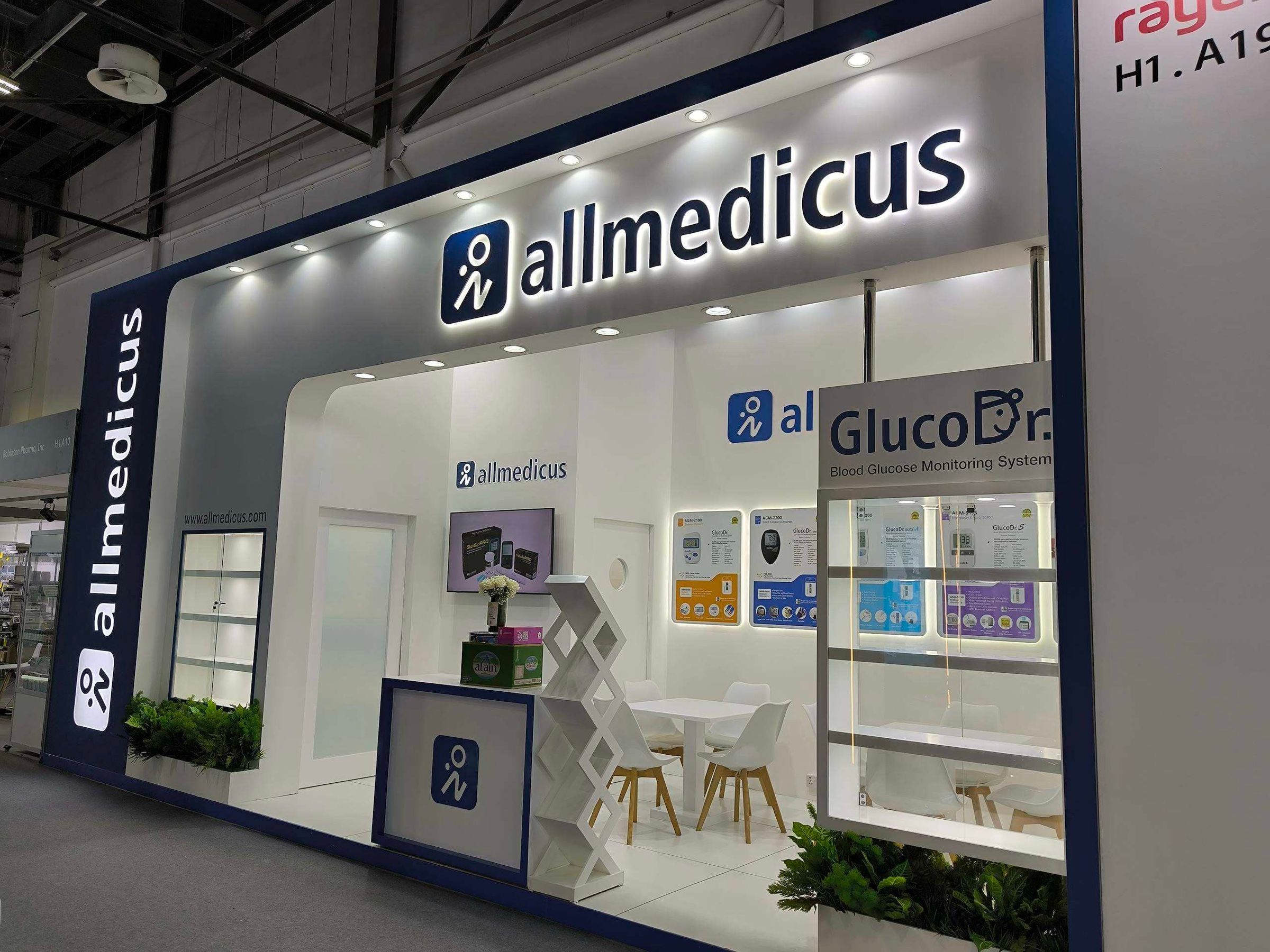
1. Create a Bold Entrance
The entrance is often the first physical interaction visitors have with an exhibition stand. Make it visually inviting with an interesting architectural feature, illuminated frame, curved structure, or clearly defined entry point.
A strong entrance creates a sense of curiosity and encourages visitors to step inside rather than simply walk past. It can also establish the visual identity of the entire stand within seconds.
2. Use an Eye-Catching Hanging Sign
When exhibition halls become crowded, it can be difficult for visitors to identify a stand from a distance. A suspended sign or overhead structure can solve this problem by extending the visual presence upward. Use simple messaging, recognizable graphics, or illuminated elements to make the stand easier to locate. This approach is particularly useful for larger venues where visitors need clear visual landmarks.
3. Design a Central Feature Wall
A central feature wall can become the visual anchor of the entire exhibition space. Instead of covering every surface with information, dedicate one prominent area to a strong visual, key message, product image, or creative installation. A carefully designed focal point gives visitors something memorable to associate with the stand. It also creates an excellent backdrop for photographs, presentations, and informal conversations.
4. Add an Interactive Product Display
People naturally become more interested when they can interact with something rather than simply look at it. Consider touchscreen product demonstrations, hands-on samples, digital configurators, or interactive information panels. Interactive exhibition displays can increase visitor engagement because they transform the audience from passive observers into active participants. The experience can also make complex products easier to understand.
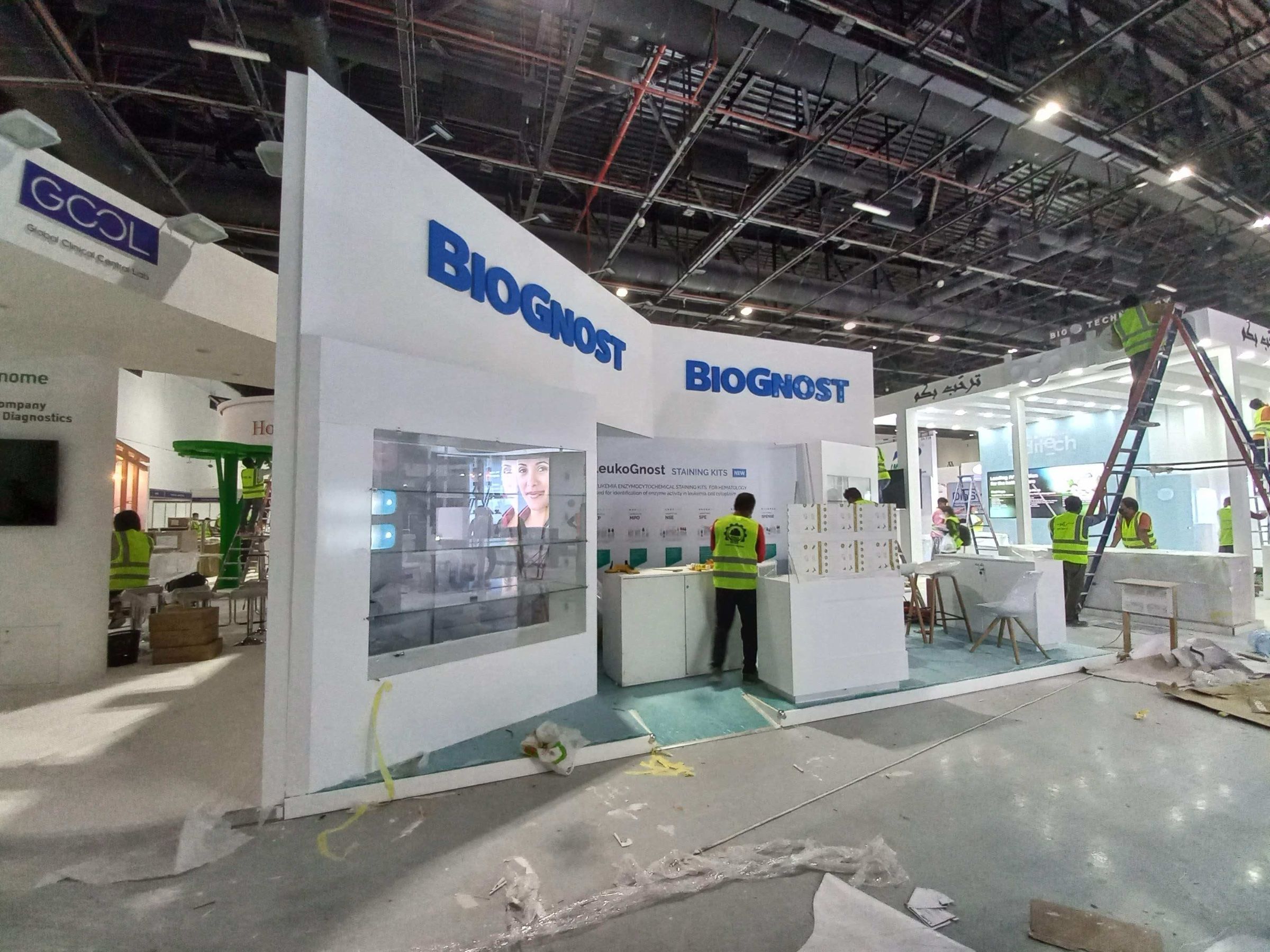
5. Introduce a Comfortable Lounge Area
Exhibition halls can be noisy, crowded, and tiring. A comfortable lounge gives visitors a reason to pause and creates a relaxed environment for conversations. Use practical seating, subtle lighting, and a thoughtful layout to make the area feel welcoming without taking attention away from the main display. A well-positioned lounge can also support longer and more meaningful discussions.
6. Use Dynamic LED Displays
Large digital screens can immediately attract attention, especially when they display movement, animation, product demonstrations, or visually engaging content. Instead of filling the screen with excessive information, use short messages and strong visuals. Dynamic content can also be updated throughout the event, allowing the stand to highlight different products, demonstrations, or announcements.
7. Build a Product Demonstration Zone
Seeing a product in action can often communicate its value more effectively than a printed explanation. Create a dedicated demonstration area where visitors can watch how a product works or see its benefits in a practical setting. Make sure the demonstration is visible from outside the zone. Clear sightlines can encourage passing visitors to stop when they notice something interesting happening inside the stand.
8. Incorporate Sustainable Materials
Sustainability can become part of the exhibition experience rather than simply a statement on a poster. Reusable structures, recyclable materials, natural finishes, energy-efficient lighting, and responsibly sourced elements can create an environmentally conscious design. An eco-friendly exhibition stand can also have a warm and authentic appearance. Natural textures and thoughtful material choices can help the space feel different from conventional exhibition booths.
9. Create a Photo-Friendly Installation
A visually memorable installation can encourage visitors to take photographs and share their experience. Consider an artistic wall, oversized product replica, illuminated structure, creative sculpture, or visually unusual backdrop. The key is to make the installation relevant to the overall exhibition theme. A photo opportunity should feel like a natural part of the stand rather than an unrelated decoration.
10. Use Creative Lighting Layers
Lighting can completely change the atmosphere of an exhibition space. Instead of relying only on general overhead lighting, combine accent lighting, display lighting, backlighting, and architectural illumination. Different lighting levels can guide attention toward important areas such as products, reception counters, demonstrations, or meeting spaces. Thoughtful lighting can also make the stand feel more inviting without overwhelming visitors.
11. Design a Curved Booth Structure
Curved walls and flowing architectural elements can make a stand appear more dynamic and distinctive. They also provide opportunities to integrate graphics and lighting without creating a rigid, box-like environment. Curved structures can guide visitors naturally through the space while creating a softer visual experience. They are particularly useful when the goal is to create a modern and memorable exhibition environment.
12. Add a Small Hospitality Station
A simple hospitality area can make visitors feel welcome. Depending on the event, this could include refreshments, a coffee station, or a small area where guests can take a short break.
Hospitality should support the visitor experience rather than become the main attraction. When positioned thoughtfully, it can create natural opportunities for conversations and help visitors feel more comfortable inside the stand.
13. Introduce Gamification
Games and challenges can create excitement and encourage visitors to spend more time at the stand. A simple quiz, digital competition, interactive challenge, or prize-based activity can attract attention while creating opportunities for engagement. The activity should be easy to understand and quick to participate in. When carefully connected to the exhibition message, gamification can entertain visitors while reinforcing key information.
14. Create Semi-Private Meeting Spaces
Not every visitor interaction should happen in an open area. Semi-private meeting pods or enclosed discussion spaces can provide a quieter environment for detailed conversations. Use partitions, architectural screens, or carefully positioned furniture to create privacy without completely closing off the space. This balance allows the stand to remain welcoming while supporting professional discussions.
15. Develop a Story-Based Stand
Instead of displaying unrelated products and messages, design the entire stand around a simple story. The story might explain a problem, present a solution, demonstrate a transformation, or guide visitors through a particular experience. A storytelling approach can make the exhibition stand feel more purposeful. Visitors are more likely to remember a message when the different elements of the space work together to communicate one clear idea.
Why Creative Exhibition Stand Design Matters
An exhibition stand has only a limited amount of time to make an impression. Visitors may walk past dozens or even hundreds of booths during a single event, so a design that looks ordinary can easily disappear into the background. A creative stand design helps create an immediate visual connection. It can encourage visitors to slow down, explore the space, ask questions, interact with displays, and start conversations. More importantly, it allows exhibitors to communicate their message before their staff even begin speaking.
A thoughtful exhibition booth design can help:
- Capture attention in a crowded exhibition hall
- Make a strong first impression
- Improve visitor engagement
- Communicate key messages quickly
- Increase time spent at the stand
- Create memorable visitor experiences
- Encourage product demonstrations
- Support meaningful business conversations
- Generate more qualified leads
- Strengthen overall event visibility
The goal is not simply to create something beautiful. The strongest trade show booth ideas combine visual appeal with usability, communication, comfort, and a clear visitor journey.
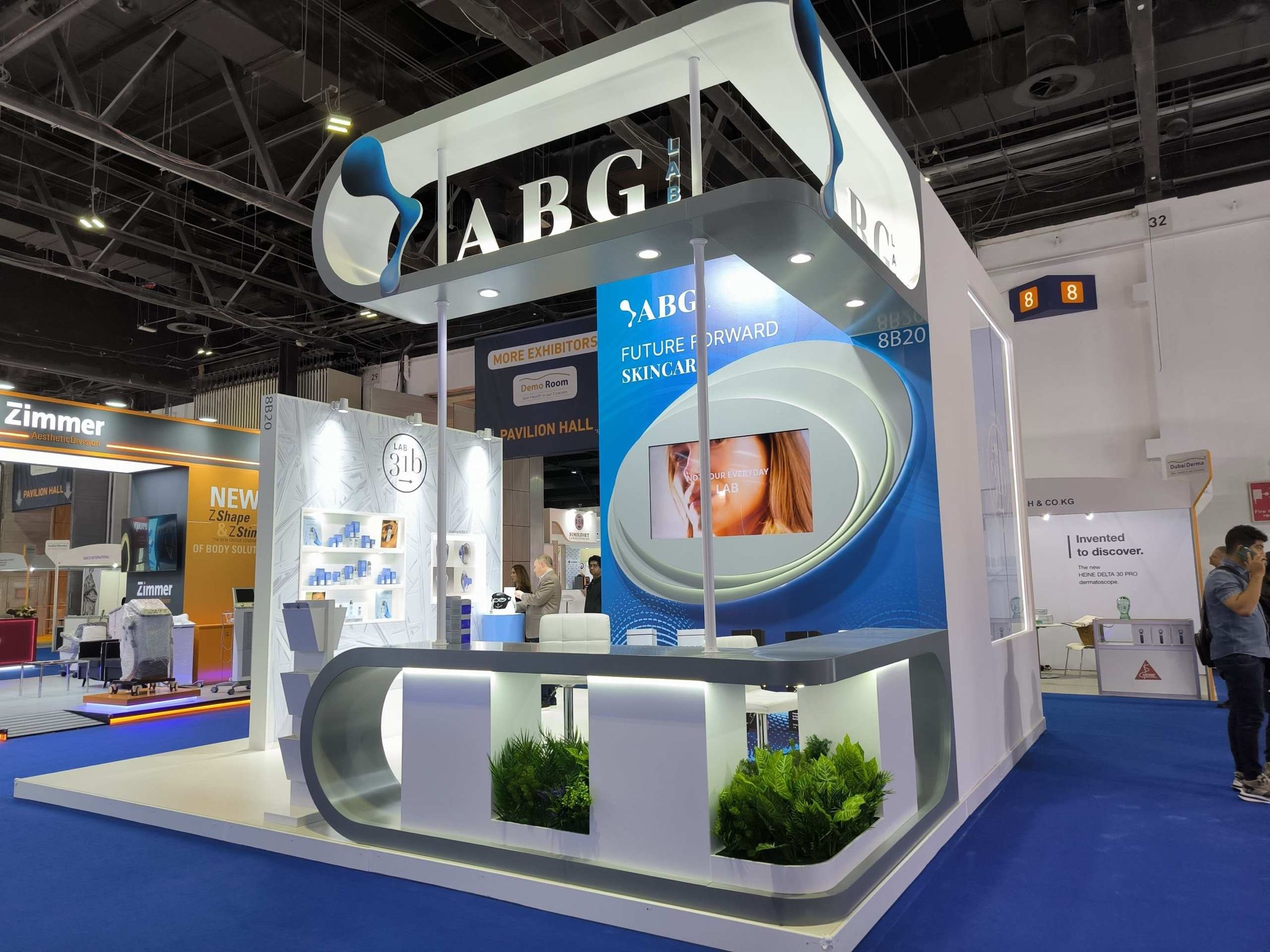
8 Key Elements of an Effective Exhibition Stand
Creative concepts are important, but successful exhibition design also depends on practical execution. The following elements can help turn an attractive concept into an effective visitor experience.
1. Clear Visual Identity
Visitors should understand what the stand represents without having to search for the information. Use consistent graphics, readable messaging, and a visual hierarchy that makes the most important information easy to identify. Avoid overcrowding the walls with long paragraphs. Short headlines, strong visuals, and strategically placed information are usually easier to absorb in a busy exhibition environment.
2. Smart Space Planning
Every part of the stand should have a purpose. Plan where visitors enter, where products are displayed, where demonstrations happen, and where conversations take place. Good space planning prevents congestion and helps visitors move comfortably through the exhibition space. It also ensures that important displays are not hidden behind furniture or unnecessary structures.
3. Effective Lighting
Lighting should support the overall design rather than simply illuminate the space. Accent lights can highlight products, illuminated graphics can improve visibility, and softer lighting can make meeting areas feel more comfortable. A combination of lighting techniques can create depth and guide visitor attention toward the most important areas.
4. Interactive Features
Interactive elements can make an exhibition experience more memorable. Touchscreens, demonstrations, digital catalogs, games, and augmented experiences can encourage visitors to participate. However, technology should have a clear purpose. A complicated digital feature that visitors cannot understand quickly may create frustration instead of engagement.
5. High-Quality Graphics
Graphics are one of the fastest ways to communicate a message. Use sharp images, readable fonts, and concise headlines that remain clear from different viewing distances. Large-format graphics should support the story of the stand rather than compete with every other element. Simplicity often creates stronger visual communication.
6. Visitor Comfort
Comfort can have a direct impact on how long people stay. Seating, hospitality areas, suitable flooring, and sufficient walking space can make the stand feel more welcoming. A comfortable visitor is more likely to remain long enough to ask questions, explore products, or participate in a conversation.
7. Strong Product Presentation
Products should be easy to see, understand, and access when appropriate. Use dedicated display zones, raised platforms, shelves, lighting, or transparent cases to give important products the attention they deserve. Avoid placing too many products together. A crowded display can make even excellent products difficult to notice.
8. Technology Integration
Modern exhibition spaces can benefit from technology such as digital signage, touchscreens, augmented reality, virtual reality, live displays, and digital lead-capture tools. Technology should enhance the visitor journey rather than become a distraction. Choose solutions that are reliable, easy to use, and connected to the purpose of the stand.
Tips for Choosing the Right Exhibition Stand Design
With so many exhibition stand ideas available, choosing the right concept can feel difficult. Start with your goals rather than selecting a design simply because it looks impressive.
Consider these practical points before finalizing your concept:
- Understand your audience. Think about what will make your target visitors stop, explore, and start a conversation.
- Set a realistic budget. Choose materials, technology, and architectural features that fit comfortably within your event budget.
- Consider your stand size. A design should work with the available floor space instead of making the area feel crowded.
- Plan visitor movement. Create clear pathways that allow people to enter, explore, and leave without unnecessary obstacles.
- Choose a strong focal point. Give visitors one memorable feature that immediately captures attention.
- Keep messaging simple. Your most important message should be understandable within a few seconds.
- Prioritize flexibility. Modular exhibition stands and reusable elements can make future events easier and more cost-effective.
- Think beyond appearance. A beautiful booth still needs functional displays, comfortable spaces, reliable technology, and practical storage.
- Engagement plan. Include demonstrations, interactive features, or experiences that give visitors a reason to stay.
- Consider the entire visitor journey. Design the stand from the visitor's perspective, from the first glimpse to the final conversation.
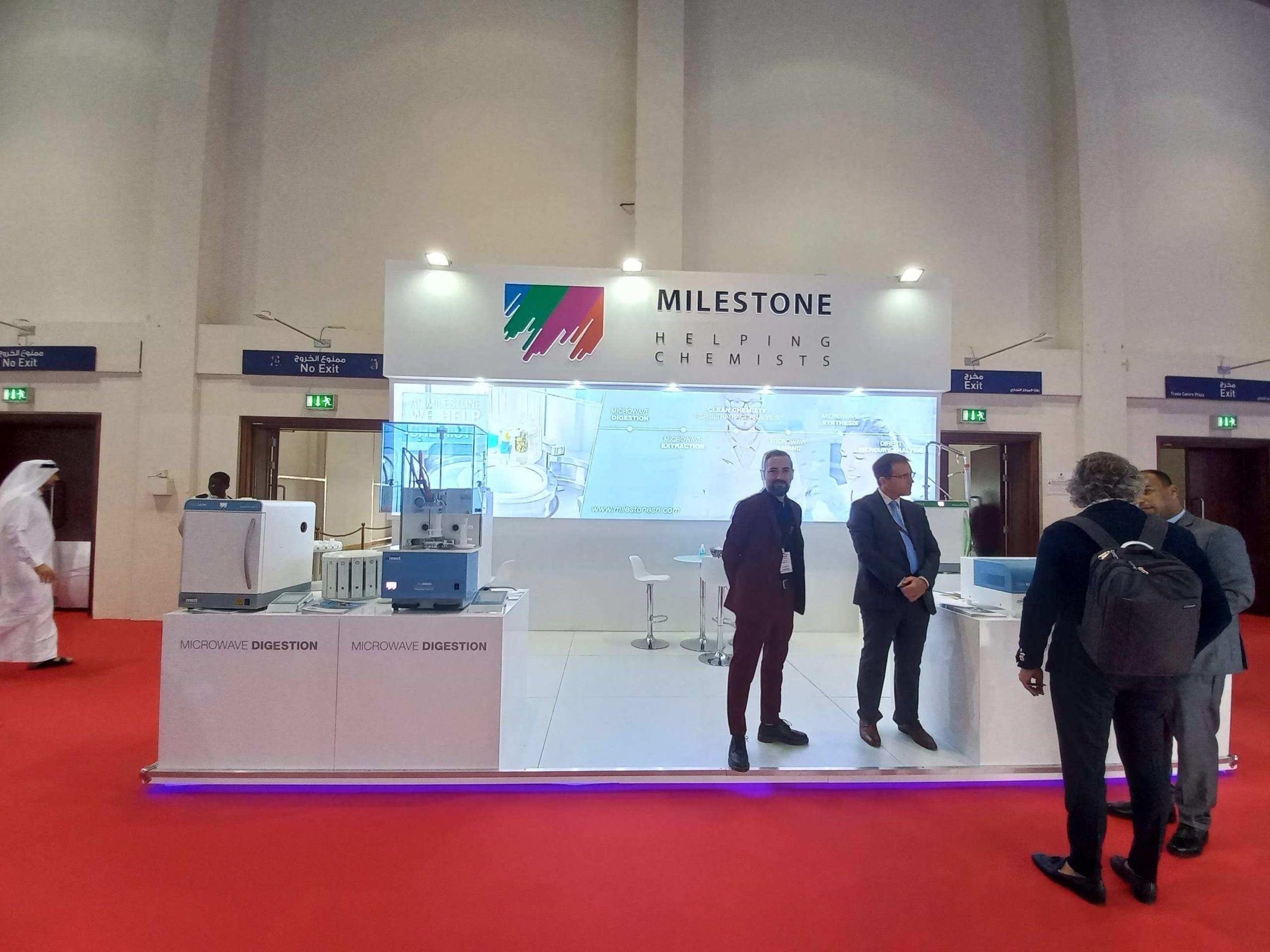
Final Thought
A great exhibition stand does more than fill a space on a crowded show floor. It creates an invitation. It tells visitors that there is something worth discovering, something worth discussing, and perhaps something that can solve a problem they have been carrying for a long time.
The most effective designs are not necessarily the biggest, brightest, or most expensive. They are the ones that understand their audience and turn that understanding into a thoughtful experience. From a bold entrance and interactive display to comfortable meeting areas and purposeful lighting, every element has an opportunity to make the visitor feel welcome.
When creativity is balanced with clear communication, practical planning, and genuine visitor engagement, an exhibition stand can become one of the most memorable parts of the entire event. The right idea may only take a few seconds to attract attention, but its impression can stay with a visitor long after they leave the exhibition hall.
FAQs
Q1. What makes an exhibition stand attractive?
A: An attractive exhibition stand usually combines strong visual elements, clear messaging, effective lighting, open space, and an inviting layout. Interactive features and memorable focal points can make the experience even more engaging.
Q2. How can I attract more visitors to my exhibition booth?
A: Use a clear focal point, bold but simple graphics, interactive experiences, product demonstrations, creative lighting, and welcoming open spaces. The design should give visitors an obvious reason to stop and explore.
Q3. What are the best exhibition booth ideas for small spaces?
A: For smaller spaces, consider vertical displays, hanging signs, compact product showcases, wall-mounted digital screens, modular structures, and multifunctional furniture. Keeping the layout open can also make a small booth feel larger.
Q4. Is technology important in exhibition stand design?
A: Technology can improve engagement through touchscreens, digital catalogs, LED displays, augmented reality, virtual reality, and interactive demonstrations. However, it should support the overall visitor experience rather than be used simply for visual effect.
Q5. How important is lighting for an exhibition stand?
A: Lighting is extremely important because it can highlight products, improve visibility, create atmosphere, and guide visitors toward important areas. A layered lighting plan can make the entire stand feel more professional and inviting.
Q6. Are modular exhibition stands a good option?
A: Modular exhibition stands can be useful for exhibitors who participate in multiple events. Reusable components can often be adapted to different spaces, helping provide flexibility while controlling long-term costs.
Q7. How should an exhibition stand be laid out?
A: An effective layout should have clear entry points, comfortable walking paths, visible product areas, accessible information, and suitable spaces for demonstrations or meetings. The arrangement should feel natural rather than crowded or confusing.
Q8. How can an exhibition stand create a memorable experience?
A: A memorable stand can combine storytelling, interactive displays, distinctive architecture, sensory elements, demonstrations, creative lighting, or photo opportunities. The most important factor is making sure the experience connects with the visitor and supports the central message.
About the author: Humais Waqar, Marketing Head, Purrple Orryx Events. Humais Waqar leads marketing at Purrple Orryx Events, the Dubai corporate event management company, and writes about planning conferences, gala dinners, launches and team events in the UAE.