15 Types of Conferences for Business, Education, and Networking
By Humais Waqar, Marketing Head, Purrple Orryx Events · 28 Aug 2026 · 5 min read
Planning a corporate event? We plan and deliver conferences & summits end to end.
“Conferences come in many formats, including business, academic, trade, technology, medical, virtual, and hybrid events. Each type serves a different purpose, from sharing knowledge and building professional connections to promoting products and aligning teams. Choosing the right conference type helps organizers match their goals, audience, budget, and event format. With careful planning, any conference can deliver valuable learning, networking, and business opportunities.”
Choosing the right conference format is one of the earliest and most consequential decisions in planning any successful event. The wrong fit shows up later as an empty breakout room, a mismatched venue, or an agenda that never quite lands with the audience in the seats. Getting to know the different types of conferences available, from academic and business gatherings to hybrid and virtual formats, helps organizers match audience, objective, and budget before a single booking is made.
Whether the goal is a small internal strategy meeting or a large industry summit, understanding the full range of conference formats makes venue selection, budgeting, and agenda planning far more straightforward. This guide walks through 15 types of conferences, what each one is built for, and how to choose the right one for your next event.
What Are the Different Types of Conferences?
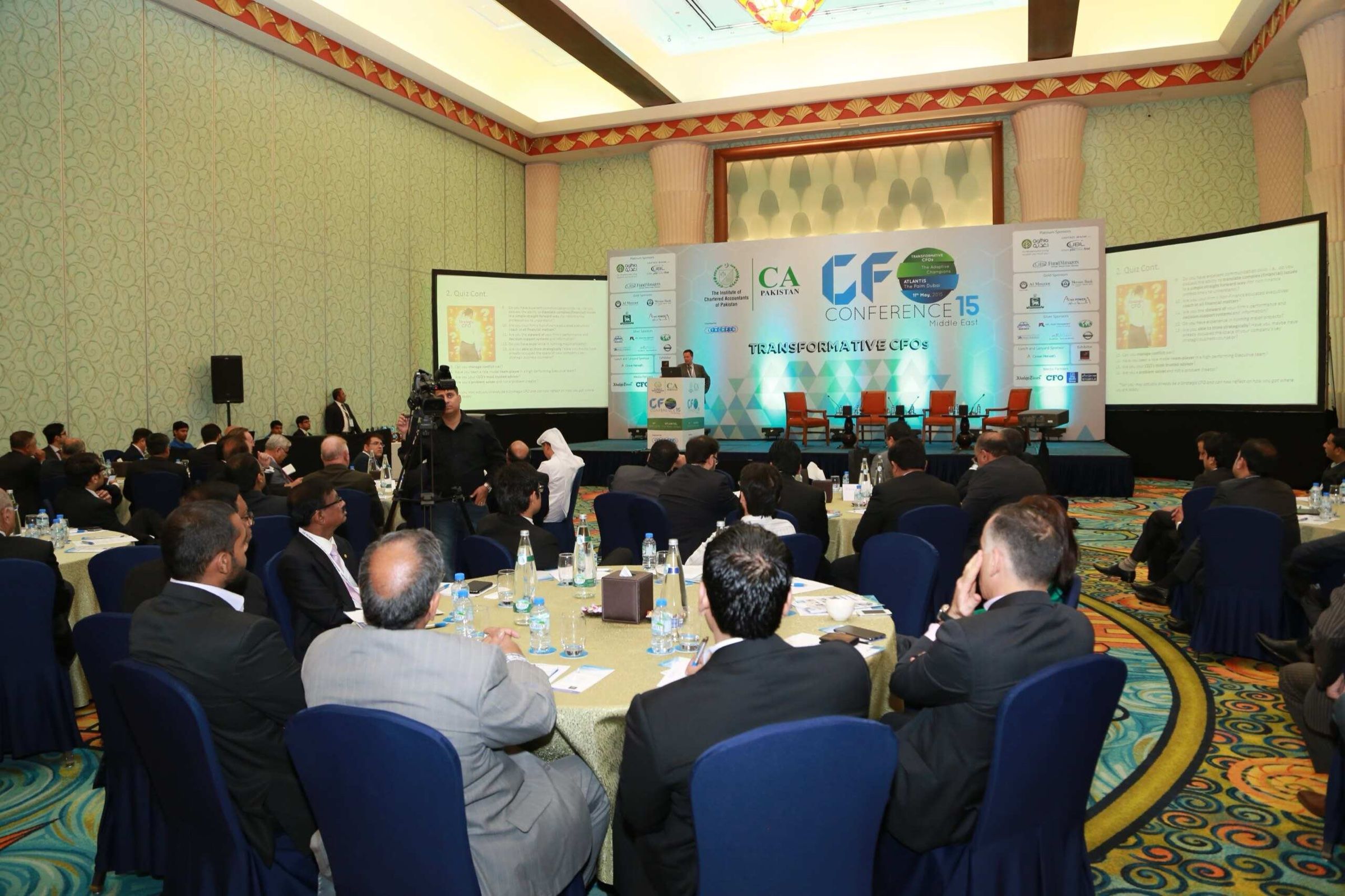
Conferences generally fall into categories based on audience and purpose: business, academic, trade, sales, marketing, technology, medical, press, investor, government, leadership, and association conferences, along with virtual and hybrid formats. Each type serves a distinct goal, from closing deals and sharing research to briefing journalists or aligning internal teams.
What Is a Conference?
A conference is a structured, multi-session event that brings people together in one place, typically sharing a profession, industry, or interest, to exchange information, network productively, and make collective decisions.
Purpose of a Conference
Conferences are organized to share useful information, connect professionals across different fields, launch products, align teams, or influence decision-makers, often combining keynote sessions, breakout discussions, and networking opportunities under one roof.
Conference vs Seminar vs Workshop vs Convention
Among the many conference-style formats, it's easy to confuse a conference with related event types. The table below breaks down how they differ:
| Format | Focus | Typical Size | Duration |
|---|---|---|---|
| Conference | Multi-topic sessions, networking | Medium–large | 1–3 days |
| Seminar | Single topic, expert-led talk | Small–medium | Few hours–1 day |
| Workshop | Hands-on, skill-building | Small | Few hours–1 day |
| Convention | Large-scale, often trade-focused | Large | Multiple days |

15 Types of Conferences
Conferences come in different formats, each designed to meet specific business, educational, professional, or networking goals. From academic and business gatherings to trade, technology, medical, virtual, and hybrid events, each type serves a unique audience and purpose. Understanding these 15 conference types helps organizers choose the right format, plan effectively, and create a more valuable experience for attendees.
1. Business Conferences
Business conferences cover a wide range of internal and external corporate gatherings. Within this category, organizers can choose the specific format that best fits their goal, whether that's motivating a sales team or strengthening a client relationship:
• Annual Business Conference — a yearly gathering that reviews organizational performance and sets direction for the year ahead.
• Sales Kickoff Conference — energizes sales teams and lays out targets for the coming period.
• Executive Leadership Conference — brings senior leaders together for strategic planning.
• Customer Conference — strengthens client relationships and showcases product updates.
• Partner Conference — aligns business partners around shared plans and goals.
• Dealer Conference — trains and motivates dealer networks on incentives and products.
• Innovation Conference — showcases new products, ideas, and emerging industry trends.
2. Academic Conferences
Bring researchers and scholars together to present papers, share findings, and build academic collaboration. These often include peer-reviewed proceedings and dedicated poster sessions.
3. Trade Conferences
Industry-specific events focused on showcasing products, services, and innovations to a professional audience, often paired with an exhibition floor.
4. Corporate Conferences
Internal company events aimed at aligning teams, discussing strategy, and reinforcing culture across regions and departments.
5. Sales Conferences
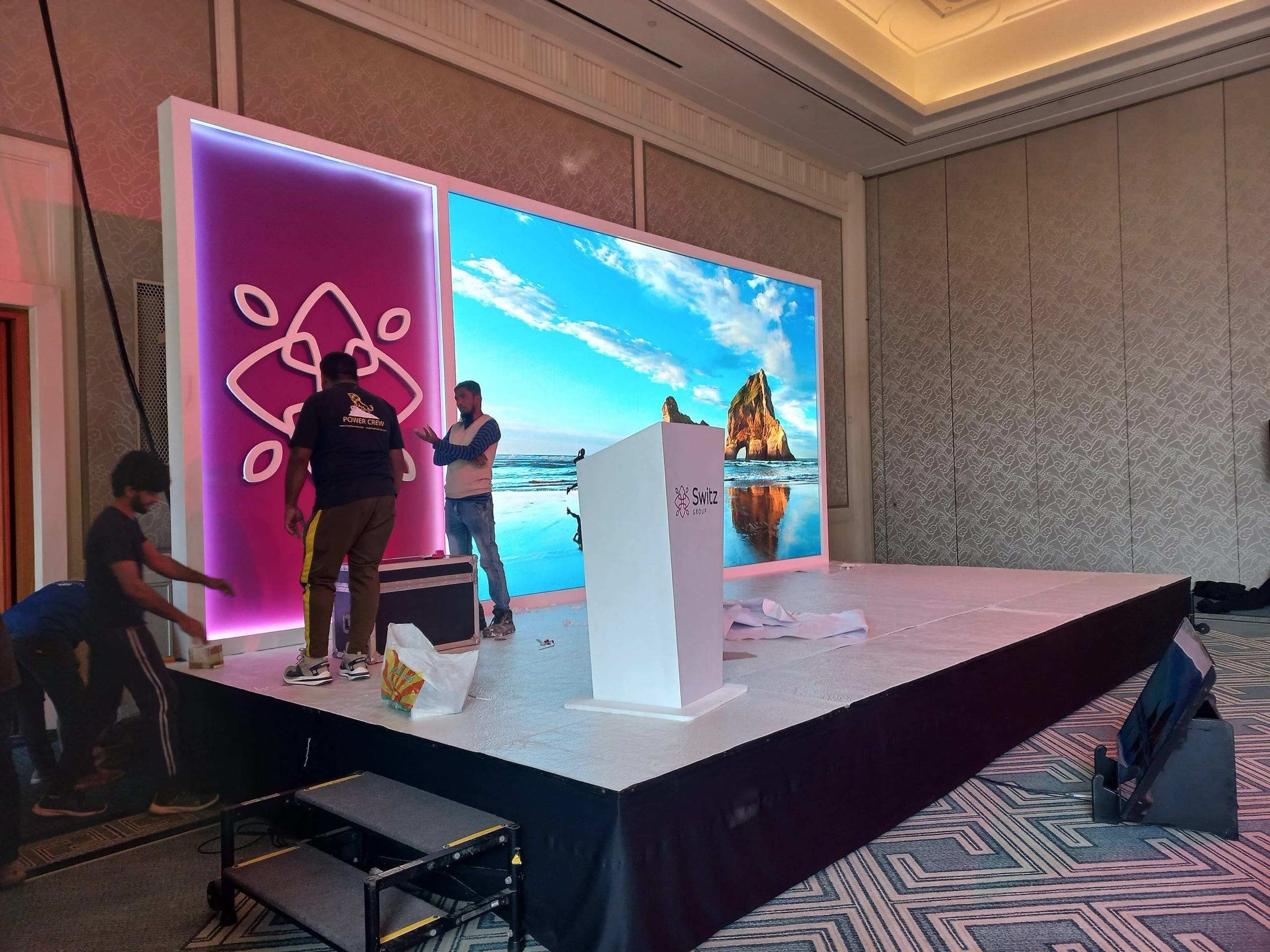
Focused on driving revenue goals, sharing sales techniques, and motivating sales teams through detailed training and recognition.
6. Marketing Conferences
Bring marketing professionals together to explore trends, tools, and campaign strategies, often featuring case studies from established brands.
7. Technology Conferences
Present the latest software launches, product innovations, and emerging trends in the technology sector, frequently including live product demonstrations.
8. Medical Conferences
Gather healthcare professionals to discuss case studies, clinical research, and treatment advances, often accredited for continuing education credits.
9. Press Conferences
A formal event where organizations announce news directly to journalists and media, typically followed by a structured Q&A session.
10. Investor Conferences
Held to update shareholders and investors on financial performance and business plans, often ahead of a funding round or earnings report.
11. Government Conferences
Bring public sector officials together to discuss regulation, policy, and public initiatives affecting citizens and industry alike.
12. Leadership Conferences
Focused on building leadership skills and strategic thinking among senior professionals through expert panels and workshops.
13. Association Conferences
Held for professional associations to connect members, share industry updates, and support ongoing professional development.
14. Virtual Conferences
Fully online events that use digital platforms for sessions, networking, and exhibitor booths, offering lower costs and broader geographic reach.
15. Hybrid Conferences
Combine in-person and virtual attendance, extending reach beyond a single physical venue while preserving face-to-face engagement for local attendees.
How to Choose the Right Conference Type
Start with the primary goal, networking, education, sales, or brand visibility, then weigh that goal against audience size, budget, and the format that best supports it. Comparing internal-facing formats like business and corporate conferences against public-facing formats such as trade shows or press events helps narrow the decision quickly. An experienced event planning team can help align the right conference type with an organization's specific objectives.
Planning Tips for Different Types of Conferences
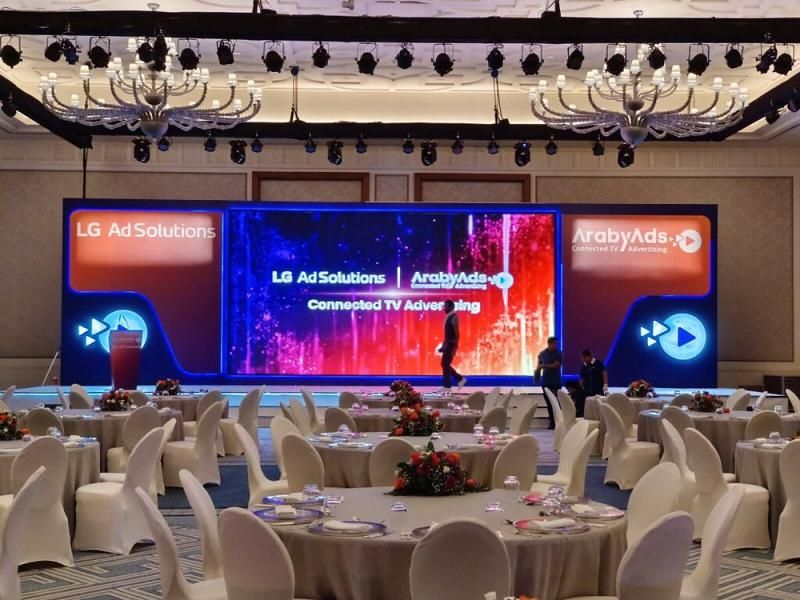
Regardless of which conference format is chosen, success depends on a clear objective, the right venue, strong content, and solid logistics. Build the agenda around the audience's priorities, set aside dedicated networking time, and confirm AV and catering needs early to avoid last-minute gaps.
- Define one primary objective before selecting a venue or format.
- Build in structured networking time, not just back-to-back sessions.
- Confirm technical, catering, and accessibility needs well ahead of the event date.
- Choose a format, in-person, virtual, or hybrid, that matches how the audience actually wants to attend.
Final Thoughts
From business and academic gatherings to virtual and hybrid formats, the range of conference types available today gives organizers the flexibility to meet nearly any goal. Understanding these formats and matching the right one to the audience and objective is the foundation of a successful event. With the right planning partner, any of these formats can be executed seamlessly, from an intimate leadership retreat to a large-scale hybrid summit.
FAQs
Q1. What are the main types of conferences?
A: The main types include business, academic, trade, sales, marketing, technology, medical, press, investor, government, leadership, and association conferences, along with virtual and hybrid formats.
Q2. What are the different types of business conferences?
A: Common types include annual business conferences, sales kickoffs, executive leadership conferences, customer conferences, partner and dealer conferences, and innovation conferences.
Q3. Which conference type is best for networking?
A: Association conferences and industry-specific trade conferences tend to offer the strongest networking opportunities, since attendees share a common professional interest.
Q4. What is the difference between a conference and a convention?
A: A conference typically focuses on multi-topic sessions and networking over one to three days, while a convention is usually larger in scale, often trade-focused, and can run across multiple days.
Q5. Are virtual conferences as effective as in-person ones?
A: Virtual conferences can be highly effective for reach and cost efficiency, especially for content-driven sessions, though in-person and hybrid formats tend to offer stronger networking and relationship-building opportunities.
Q6. How do I decide between a hybrid and a fully in-person conference?
A: The decision usually comes down to audience location and budget. If a significant portion of the audience can't travel, a hybrid format extends reach while still preserving in-person engagement for local attendees.
About the author: Humais Waqar, Marketing Head, Purrple Orryx Events. Humais Waqar leads marketing at Purrple Orryx Events, the Dubai corporate event management company, and writes about planning conferences, gala dinners, launches and team events in the UAE.