How a Product Launch Planner in Dubai Maximizes Brand Impact
By Humais Waqar, Marketing Head, Purrple Orryx Events · 12 Aug 2026 · 6 min read
Planning a corporate event? We plan and deliver product launches end to end.
“A product launch planner in Dubai turns a simple event into a memorable brand experience. From the venue and guest journey to lighting, technology, and product presentation, every detail is carefully aligned with the brand’s identity. When everything works together, guests leave with a strong emotional connection and a lasting impression of the brand.”
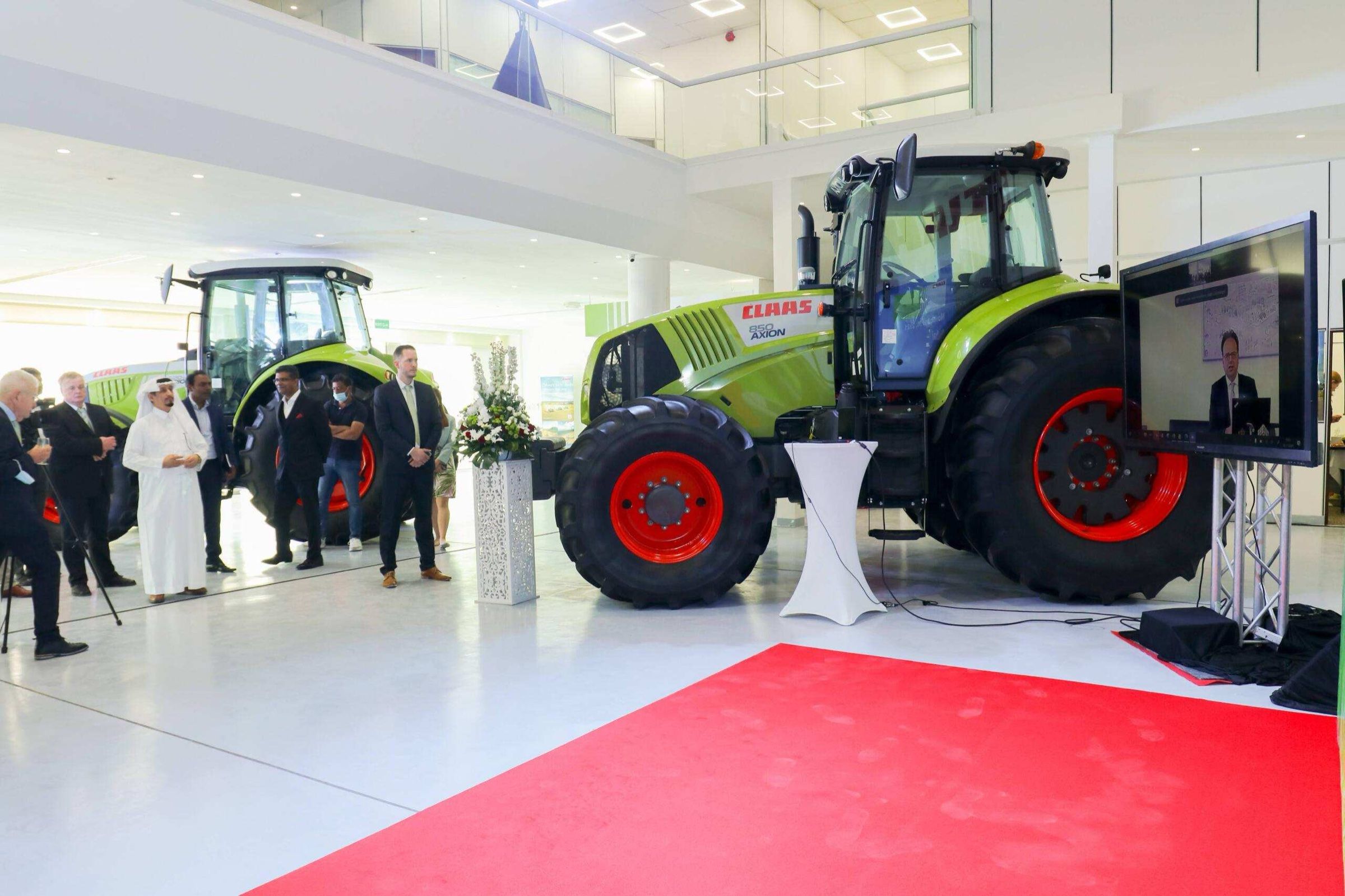
A product launch is a brand's first live conversation with its audience. Every element in the room, from the moment a guest is welcomed to the second the product is revealed, either strengthens that conversation or quietly works against it. In a market as fast-moving and visually competitive as Dubai, brand impact is rarely the result of one striking idea. It is the outcome of dozens of coordinated decisions, most of which the audience never consciously notices.
A product launch planner in Dubai exists to make those decisions deliberately rather than by default. The goal is not simply to host an event without incident, but to ensure that everything guests see, hear, and experience reinforces the brand positioning the company has spent months, or years, building.
Why Brand Impact Depends on More Than the Guest List
It is tempting to measure a launch by attendance numbers or social media reach alone. Those figures matter, but they describe volume, not impression. A room full of the right people who leave with a vague or inconsistent sense of the brand has not delivered impact. A smaller, sharply focused event that leaves every guest with a clear, memorable understanding of what the brand stands for often performs better over time.
Impact is shaped by consistency: the tone of the invitation, the pace of the programme, the way staff speak about the product, the lighting on the hero item, and the story told from the stage. When these elements align, the brand feels confident and considered. When they conflict, even minor details, guests sense that something is off, even if they cannot name what.
What a Product Launch Planner in Dubai Contributes
Dubai's event landscape offers an unusual mix of world-class venues, international suppliers, and a highly design-literate audience. That combination raises the bar for execution. Permits, venue access windows, bilingual signage, supplier logistics, and guest transport all need to be resolved well before the creative concept is finalised.
A dedicated planner acts as the single point of accountability across this process. Instead of a brand's internal team coordinating a venue, a décor supplier, an AV company, hospitality staff, and entertainment separately, the planner manages every workstream against one shared timeline and one brand-led vision.
Define the Brand Message Before the Design Brief
The strongest launches start with a single, clearly articulated question: what should guests believe about this brand once they leave the room? A luxury brand may want guests to feel exclusivity and craftsmanship. A technology brand may want guests to feel that the product is genuinely category-defining. A B2B brand may want decision-makers to leave with confidence in reliability and long-term partnership.
This message should shape every subsequent decision, from the guest list to the lighting design. Only once the message is defined does it make sense to brief designers, stylists, and production teams, because their work should be built to express that message, not to exist for its own sake.
Let creative direction serve the brand, not compete with it
A visually dramatic installation that overshadows the product, or a stage design so elaborate that it distracts from the presentation, works against brand impact rather than for it. Good design draws attention toward the product and the message, and makes the guest journey feel intentional rather than accidental.
Turning the Venue Into a Brand Statement
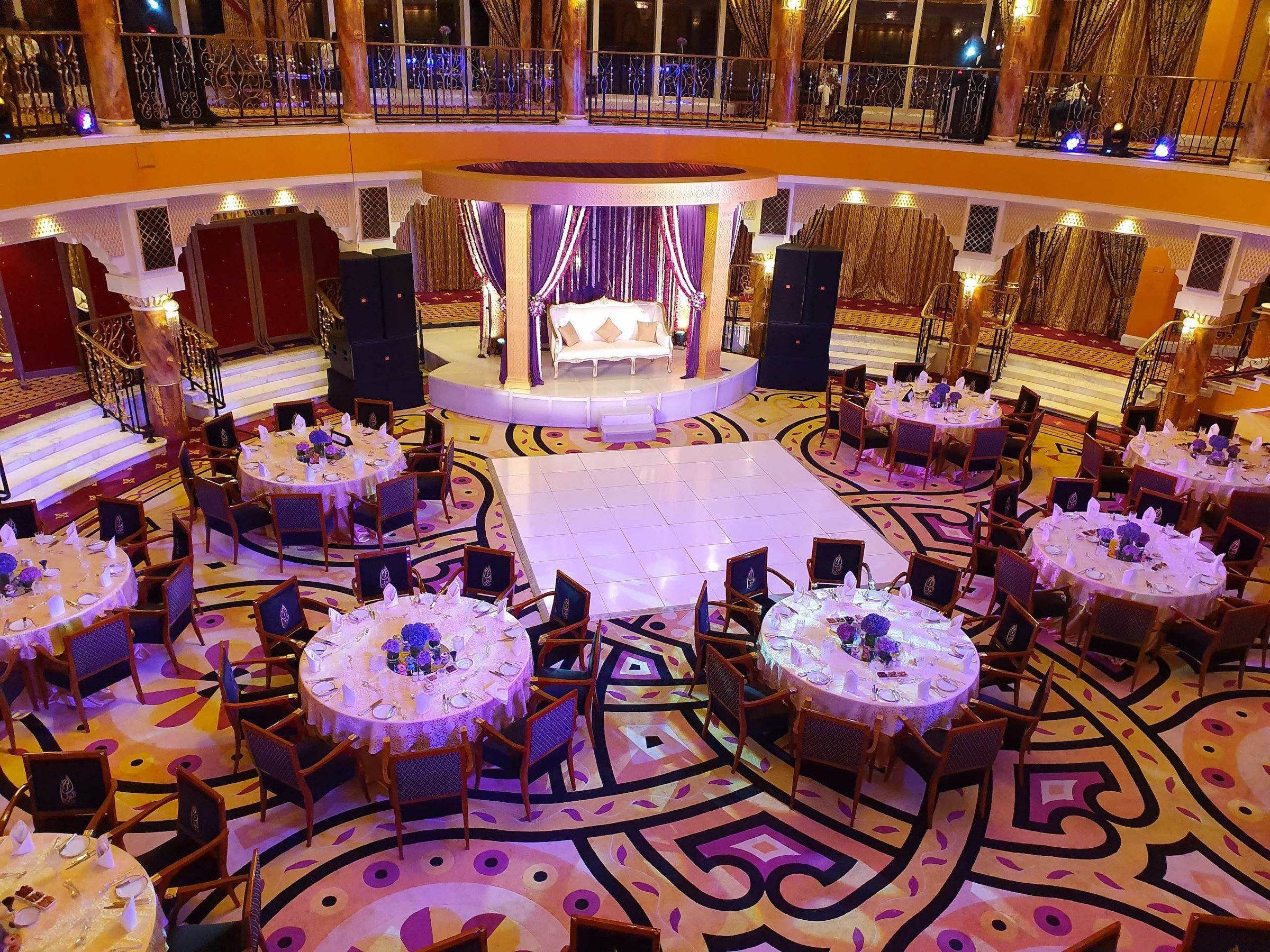
Venue choice is one of the clearest signals a brand sends before a single word is spoken. A refined gallery space communicates something different from a waterfront terrace, and both communicate something different from a private members' club. The right venue should reflect the brand's positioning as much as the product itself.
Beyond atmosphere, practical assessment matters just as much. Loading access, sound restrictions, ceiling height for staging, blackout capability, guest capacity in the intended layout, and the hours available for build and breakdown all influence whether a venue can actually deliver the experience being designed. A space that photographs beautifully during a site visit can become difficult once branding structures, production equipment, and catering requirements are added.
Guest Experience as a Brand Touchpoint
Every interaction a guest has during a launch is, in effect, a brand touchpoint. This includes the invitation, the arrival sequence, the registration process, the pace of the programme, and the way questions are answered by staff on the floor. A planner maps this journey deliberately, so guests always know where to go and what matters next, without needing repeated instruction.
For VIPs, press and senior stakeholders, small details carry disproportionate weight. A named host, a private holding area, prompt transport coordination and a well-briefed spokesperson all shape how those guests describe the brand afterwards. For every guest, the fundamentals remain the same: a warm welcome, clear direction and an experience worth mentioning to others.
Using Technical Production to Reinforce Brand Perception
Audio-visual execution is where brand perception is either reinforced or quietly undermined. Unclear audio, a delayed video cue, or lighting that leaves a speaker in shadow can distract from months of product development in a matter of seconds. Technical production should be part of the creative conversation from the outset, not an afterthought handled the week before the event.
This includes screen placement, microphone coverage, confidence monitors, lighting design, sound coverage, and internet reliability, along with a full run-through of every video, cue, and microphone in the actual room. Backup plans, a secondary playback option, spare microphones, and duplicated presentation files are a matter of good practice rather than caution for its own sake.
The Run Sheet: Protecting Brand Consistency on the Day
A detailed run sheet is what allows a launch to unfold as intended. It documents the schedule from supplier arrival to final collection, with a named owner for each task, and covers guest arrivals, speaker briefings, catering service, lighting cues, the product reveal and any media interviews.
The most useful run sheets are practical rather than decorative: realistic timings, contact details, contingency notes and clear decision-makers. On the day, this document allows an event manager to resolve issues quietly, without guests ever sensing that anything needed adjustment.
Budgeting for Impact, Not Just Attendance
A launch budget should be built around the required outcome, not just the number of guests in the room. Two events for the same headcount can carry very different cost profiles depending on whether one requires custom scenic production, bespoke content capture, and multi-layer AV, while the other is designed as a focused press breakfast.
Clear planning separates essential items from enhancements: venue, production, staffing, catering, styling, photography, videography, and permits should each be costed transparently. This allows a brand to make informed trade-offs early, rather than cutting meaningful elements in the final week before the event.
Measuring Brand Impact After the Event
The value of a launch does not end when the last guest leaves. A prompt post-event process, sharing approved photography and video, following up with leads, distributing press materials, and reviewing guest feedback, extends the return on the investment made in the event itself.
A short internal debrief is also worth the time. Identifying what generated the strongest engagement, whether the audience mix matched the brand's objective, and which elements deserve to be repeated or refined helps every future activation build on what has already been learned.
Final Thoughts
Brand impact at a product launch is not the product of a single striking idea. It is the cumulative effect of a message defined early, a venue chosen with intent, a guest journey mapped in advance, technical production treated as a creative priority, and a budget built around outcomes rather than headcount alone. When these elements work together, guests leave not only having seen a product, but having formed a clear and confident impression of the brand behind it, an impression that continues to work long after the room has cleared.
Frequently Asked Questions
What does a product launch planner in Dubai actually manage?
A planner typically manages venue sourcing, permits, supplier coordination, guest experience, technical production, the run sheet, and budget oversight, acting as a single point of accountability across the entire event.
How far in advance should a product launch be planned?
Most launches benefit from a planning window of eight to twelve weeks, though larger or more technically complex events, particularly those requiring custom production or international stakeholders, often need longer.
What is the biggest factor in a launch's brand impact?
Consistency. A launch has the strongest impact when the venue, guest journey, technical production, and messaging all reinforce the same brand story, rather than each element being decided in isolation.
How does venue choice affect brand perception?
Venue sends a signal before any words are spoken. The atmosphere, scale, and character of the space should reflect the brand's positioning, while also meeting the practical requirements of the programme.
Why does technical production matter so much for a launch?
AV issues, such as unclear audio or a delayed video cue, can distract from a carefully built presentation in seconds. Rehearsed, tested production protects the credibility of the reveal itself.
What should happen after the event ends?
A prompt post-event process, sharing content, following up with leads, and reviewing what worked, helps extend the value of the launch and informs how future events should be planned.
About the author: Humais Waqar, Marketing Head, Purrple Orryx Events. Humais Waqar leads marketing at Purrple Orryx Events, the Dubai corporate event management company, and writes about planning conferences, gala dinners, launches and team events in the UAE.