How Event Management and Marketing Work Together
By Humais Waqar, Marketing Head, Purrple Orryx Events · 13 Apr 2026 · 6 min read
Planning a corporate event? We plan and deliver corporate events end to end.
“Event management and marketing come together to create experiences that truly connect with people. While one brings the event to life, the other gives it a voice and reaches the right audience. When they work in harmony, every moment becomes meaningful, and every interaction leaves a lasting impression. Together, they turn simple events into powerful stories that drive real impact.”
Key Highlights
- Event management and marketing work hand in hand to create meaningful and memorable experiences
- Events are powerful marketing tools that build emotional connections and lasting impressions
- Pre-event strategies like social media, email campaigns, and teasers help build excitement
- Real-time engagement during events strengthens audience interaction and brand presence
- Post-event activities turn moments into long-term relationships and valuable insights
- Collaboration between teams leads to stronger outcomes and better audience alignment
- Technology plays a key role in tracking performance and improving future events
- When aligned, events go beyond execution and become drivers of real business growth
There’s something powerful about a well-executed event. It’s not just the lights, the stage, or the perfectly timed schedule. It’s the feeling people carry with them long after the event ends. That emotional connection, that spark of engagement, doesn’t happen by accident. It’s the result of two forces working closely together: event management and marketing.
For many businesses, these two functions are still treated as separate worlds. One focuses on logistics and execution, while the other handles promotion and visibility. But when they truly align, something remarkable happens. Events stop being just “occasions” and start becoming strategic marketing assets that drive real business growth. Let’s explore how this connection works and why it matters more today than ever before.
Understanding the Core Roles
Before diving deeper, it helps to understand what each side brings to the table. Event management is all about planning, organizing, and executing an event from start to finish. It includes everything from budgeting and venue selection to vendor coordination and on-ground operations.
Marketing, on the other hand, focuses on reaching the right audience, building anticipation, and communicating value. It ensures that people not only know about the event but also feel compelled to attend and engage. Individually, both are important. Together, they create experiences that are both memorable and impactful.
Why Events Are a Marketing Powerhouse
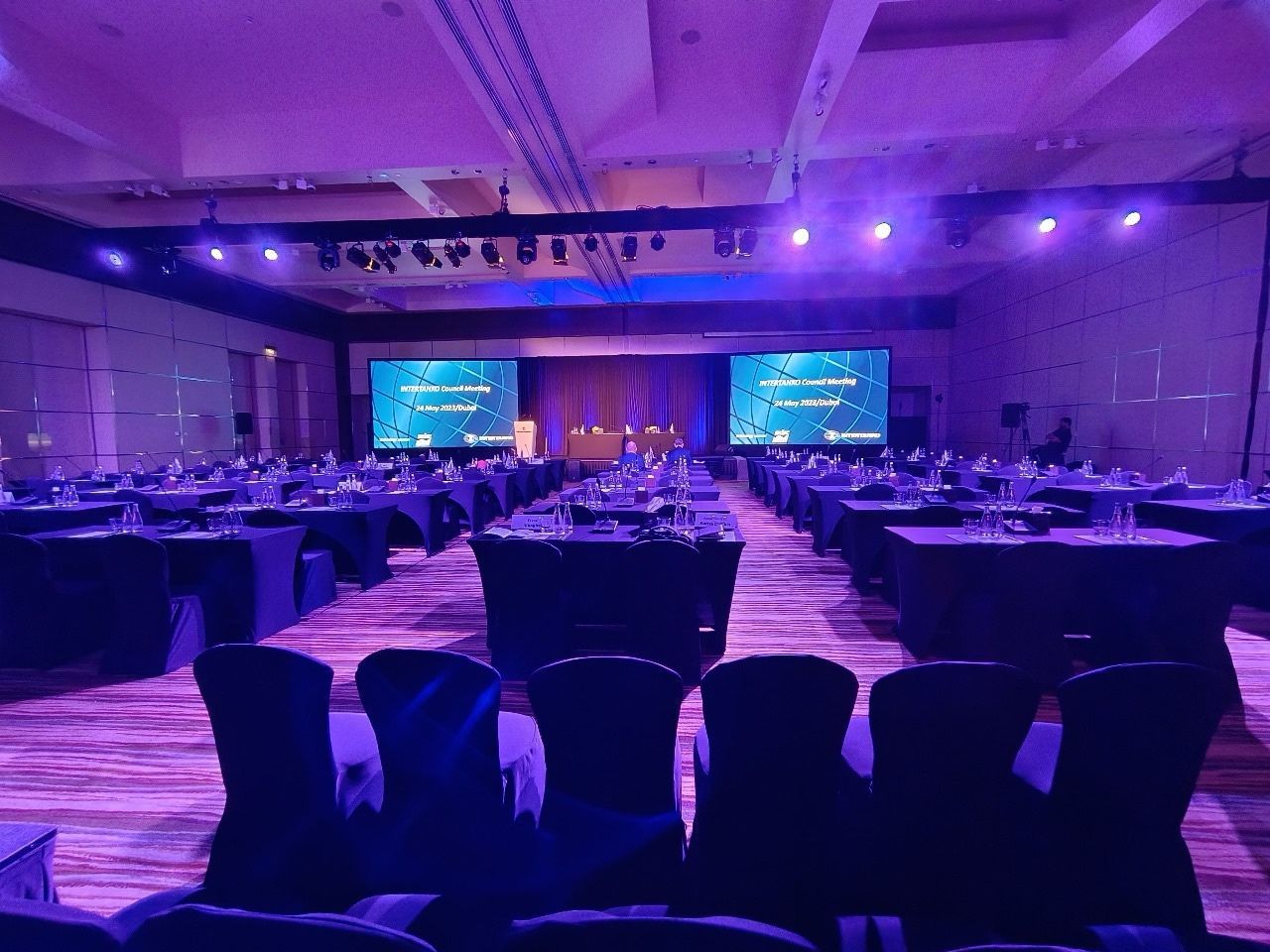
In today’s digital-heavy world, people are constantly bombarded with ads, emails, and notifications. Cutting through that noise is not easy. This is where events stand out.
Events offer face-to-face interaction, real-time engagement, and emotional storytelling. They give brands a chance to connect on a human level, something digital channels often struggle to achieve.
Here’s what makes events such a strong marketing tool:
- Experiential marketing strategies create real, memorable interactions
- Brand awareness through events builds recognition in a crowded market
- Lead generation through events provides high-quality prospects
- Audience engagement at events strengthens relationships
- Event branding techniques reinforce your identity and message
When marketing and event management work together, these benefits multiply.
The Pre-Event Phase: Building Anticipation
The journey doesn’t start when the doors open. It begins weeks or even months earlier. Marketing plays a critical role here by creating excitement and driving registrations. But event management ensures that what’s being promised can actually be delivered.
Key Strategies Before the Event
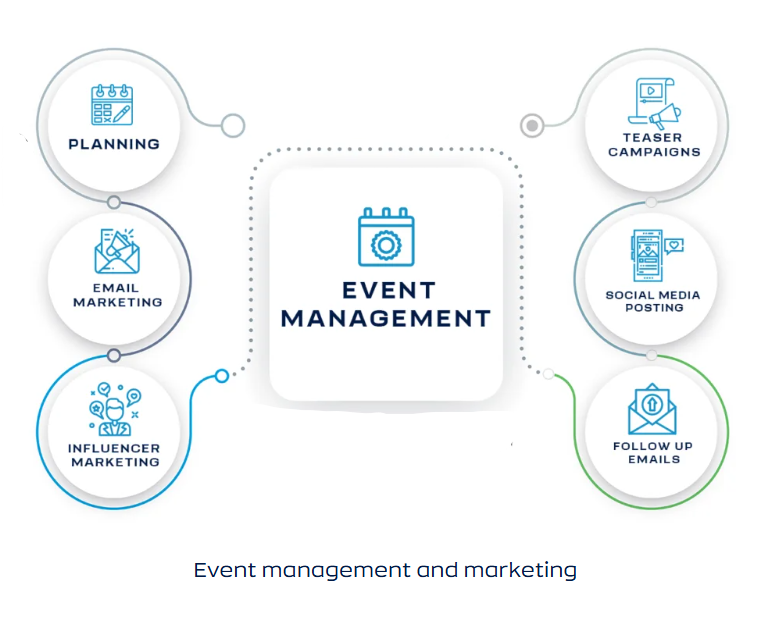
- Social media campaigns: Consistent updates, countdowns, and sneak peeks help build anticipation.
- Email marketing for events: Personalized invitations, early-bird offers, and reminders keep your audience engaged.
- Influencer collaborations: Partnering with industry voices expands your reach and builds credibility.
- Teaser content: Short videos, behind-the-scenes glimpses, and announcements spark curiosity.
This phase is where alignment matters most. Overpromising in marketing without proper execution can damage trust. But when both teams are in sync, expectations turn into excitement.
During the Event: Creating Meaningful Experiences
This is where everything comes to life. Event management ensures smooth execution, while marketing focuses on amplifying the experience in real time. Together, they create moments that people want to share, remember, and talk about.
Techniques That Make an Impact
- Live updates and event promotion strategies: Real-time posts, live streams, and audience interactions expand your reach beyond the venue.
- Interactive experiences: From digital booths to immersive setups, these moments deepen engagement.
- Engaging presentations: Strong storytelling and visuals keep the audience emotionally connected.
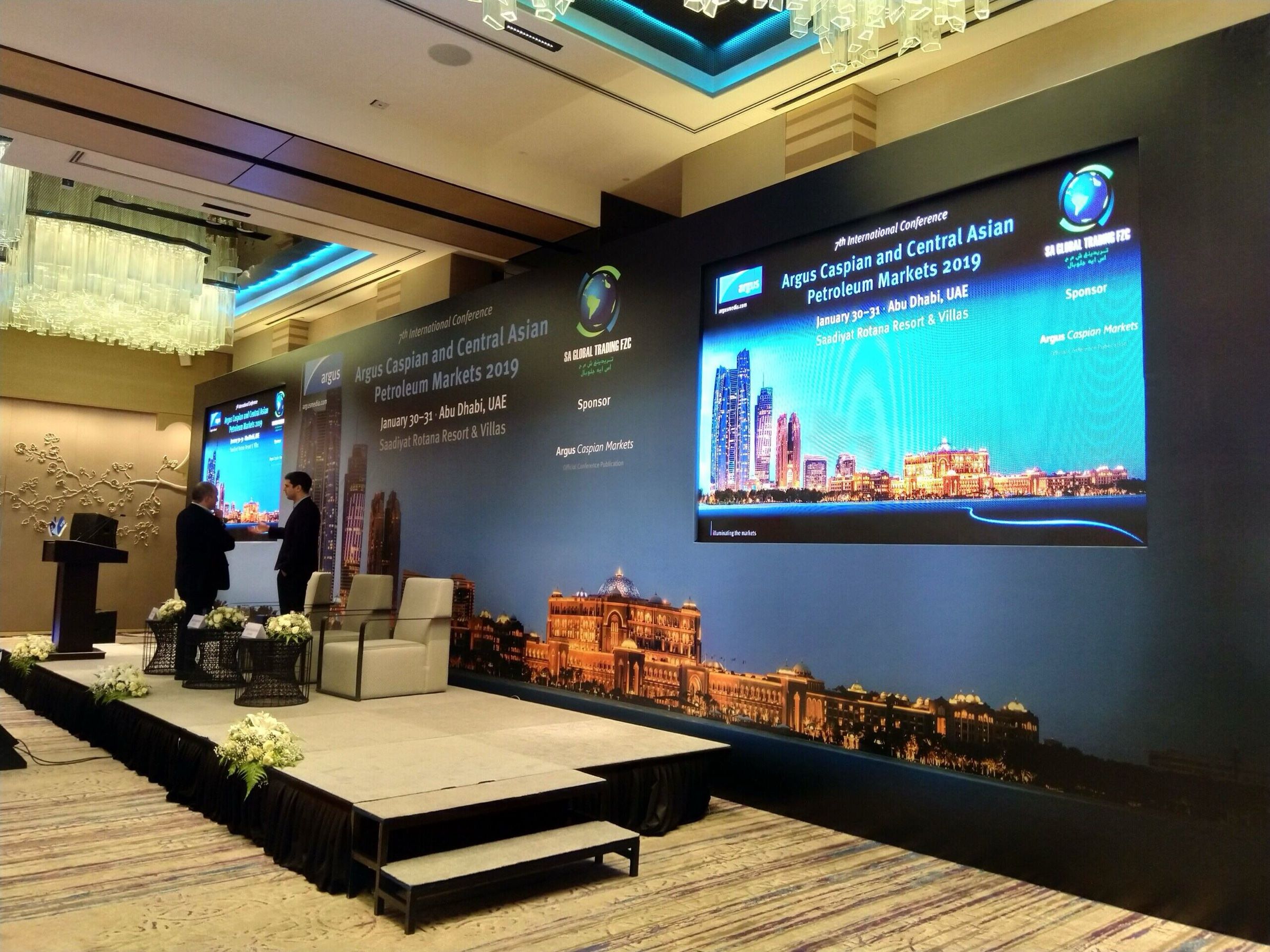
- On-site branding: Every touchpoint, from banners to stage design, reinforces your brand message.
This is also where the ROI of event marketing begins to take shape. Every interaction, every conversation, every shared post contributes to measurable value.
Post-Event: Turning Moments into Long-Term Value
Many businesses make the mistake of treating the event as the finish line. In reality, it’s just the beginning. The post-event phase is where marketing and event management continue working together to maximize impact.
What Happens After the Event
- Follow-up emails: Thank attendees, share highlights, and keep the conversation going.
- Testimonials and feedback: Real experiences build trust and provide insights for improvement.
- Content creation: Photos, videos, and recaps extend the life of the event.
- Data analysis: Understanding attendee behavior helps refine future strategies.
This is where event marketing integration truly shines. Insights gathered during the event can shape future campaigns, making each event smarter and more effective than the last.
The Role of Collaboration
One of the biggest challenges organizations face is the lack of collaboration between teams. Event managers may focus on logistics without fully understanding marketing goals. Meanwhile, marketers may push campaigns without considering operational realities. Bringing these teams together changes everything.
- Marketing can guide content, themes, and audience targeting
- Event managers can ensure feasibility and flawless execution
- Sales teams can provide insights into customer needs
This kind of collaboration leads to stronger outcomes and more meaningful experiences.
Technology as the Bridge
Modern tools have made it easier than ever to connect marketing and event management. From CRM systems to event apps, technology allows businesses to track engagement, collect data, and measure success in real time.
This includes:
- Registration platforms
- Audience tracking tools
- Feedback and survey systems
- Analytics dashboards
These tools help businesses understand what worked, what didn’t, and how to improve.
Real Business Impact
When done right, the connection between event management and marketing drives real results:
- Stronger brand positioning
- Higher audience trust
- Increased lead conversion
- Better customer insights
- Long-term relationship building
It’s not just about hosting an event. It’s about creating a strategic experience that supports your overall business goals.
Industry Insight and Evolving Practices
Today, businesses are rethinking how they approach events. With the rise of hybrid experiences and global audiences, the integration between marketing and event execution has become even more critical. Professionals like an event planner are no longer just organizers. They are experience creators who understand branding, audience psychology, and engagement.
Similarly, event management companies are expanding their services to include marketing strategy, digital promotion, and analytics. In regions known for innovation, such as those shaping event management trends in Dubai, the focus is heavily on immersive experiences, technology integration, and personalized engagement. These trends highlight just how closely marketing and event management are now connected.
Final Thoughts
At its core, the relationship between event management and marketing is about connection. One builds the experience, the other tells the story. When they work together, they create something far more powerful than either could alone.
If you’re still treating events as standalone activities, it may be time to rethink your approach. Because the truth is simple: events are not just moments. They are opportunities. Opportunities to connect, to inspire, and to grow. And when managed and marketed the right way, those opportunities can transform your business.
FAQs
Q1. Why is event marketing important for businesses?
A: Event marketing allows businesses to connect directly with their audience, build trust, and create memorable experiences that drive engagement and conversions.
Q2. How do event management and marketing differ?
A: Event management focuses on planning and executing the event, while marketing is responsible for promoting it and attracting the right audience.
Q3. What are the most effective event marketing strategies?
A: Some of the most effective strategies include social media campaigns, email marketing, influencer partnerships, live event updates, and post-event follow-ups.
Q4. How can businesses measure the success of an event?
A: Success can be measured through attendance rates, lead generation, audience engagement, feedback, and overall return on investment.
Q5. What is the future of event management and marketing?
A: The future lies in integration, with a strong focus on hybrid events, data-driven strategies, and personalized attendee experiences.
About the author: Humais Waqar, Marketing Head, Purrple Orryx Events. Humais Waqar leads marketing at Purrple Orryx Events, the Dubai corporate event management company, and writes about planning conferences, gala dinners, launches and team events in the UAE.