Hybrid Team-Building Events: Keeping Employees Connected Remotely
By Humais Waqar, Marketing Head, Purrple Orryx Events · 5 Apr 2026 · 5 min read
Planning a corporate event? We plan and deliver conferences & summits end to end.
“Hybrid team-building events bring people closer, even when miles apart. In a world where remote work can feel isolating, these shared experiences create moments of connection, trust, and belonging. They remind employees that they are not just part of a workflow, but part of a team that truly sees and values them. Even across screens, meaningful bonds can still grow.”
In a world where “work” is no longer confined to office walls, something deeply human is at risk of fading connection. The spontaneous laughter during coffee breaks, the shared glances in meetings, the feeling of belonging to something bigger. As teams become more distributed, organizations are being called to reimagine how they nurture relationships. That’s where hybrid team-building events step in, not just as a strategy, but as a lifeline often brought to life with the thoughtful touch of an experienced event planner who understands how to create moments that truly matter.
Hybrid experiences are not about replacing in-person interactions; they’re about weaving together physical and virtual worlds so that no one feels left out. When done right, they can create meaningful bonds, strengthen trust, and remind employees that they are seen, valued, and connected no matter where they are.
The Growing Importance of Hybrid Team-Building in Modern Workplaces
Remote work has undeniably gifted us something we once craved: freedom. The freedom to work from anywhere, to design our days with more flexibility, to reclaim moments that were once lost in long commutes and rigid schedules. But beneath this freedom, something quieter has emerged, an invisible distance that no video call can fully erase.
It’s the silence after a meeting ends. It’s the absence of shared laughter in hallways. It’s the feeling of being “present” at work, yet somehow unseen.
Employees today are more connected digitally than ever before, yet emotionally, many feel miles apart. Without the natural rhythm of in-person interactions, relationships can slowly fade into formal exchanges. Conversations become task-driven. Camaraderie becomes optional. And over time, even the most passionate employees can begin to feel disconnected from their colleagues, their purpose, and sometimes even from themselves. This is where hybrid team-building steps in, not as a trend, but as a necessity.
Hybrid team-building events create something that remote work alone cannot: shared human experiences. They bring people together across distances, blending physical presence with virtual inclusion in a way that feels intentional and meaningful. These moments are not just scheduled activities on a calendar; they are emotional touchpoints.
They remind employees that behind every muted microphone and profile picture is a real person. Someone who celebrates small wins, who faces challenges, who has stories to tell, and a voice worth hearing.
When a team laughs together during a hybrid game, collaborates on a challenge, or shares personal experiences in a safe space, something powerful happens. Walls begin to come down. Titles and hierarchies soften. People start to see each other not just as coworkers, but as humans. And that shift changes everything.
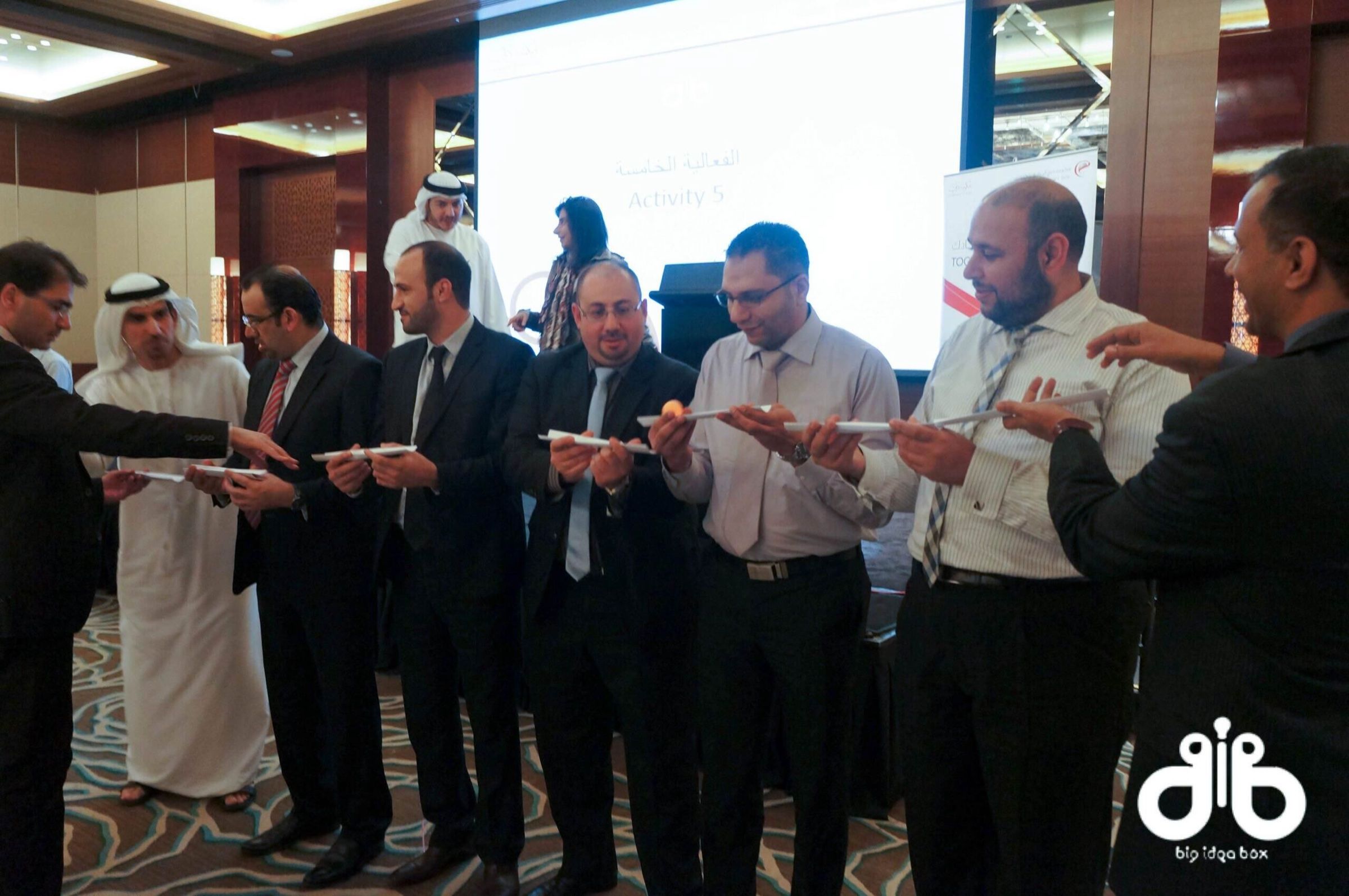
Because connection is not built through tasks, it’s built through moments. Moments of vulnerability. Moments of joy. Moments where people feel like they truly belong.
Hybrid team-building also sends a deeper message from the organization: “You matter, no matter where you are.” It shows that inclusion isn’t limited to office walls and that every employee, whether remote or on-site, is an equal part of the team’s story.
In modern workplaces, where burnout, disengagement, and isolation are real challenges, these experiences become more than just beneficial; they become essential. They help rebuild trust, reignite motivation, and strengthen the emotional fabric of teams. Because at the end of the day, work is not just about deadlines and deliverables. It’s about people. And people need connection to thrive.
Hybrid team-building doesn’t just bring employees together; it brings back the feeling of togetherness that makes work meaningful again.
Creating Meaningful Hybrid Team-Building Experiences
1. Balance Between Physical and Virtual Participation
A successful hybrid event ensures that remote participants feel just as involved as those attending in person. This means using inclusive tools, interactive platforms, and thoughtful facilitation.
Think beyond logistics, think about emotions. Are remote employees feeling heard? Are they laughing along? Are they part of the moment?
2. Choose Activities That Spark Real Connection
Not all activities translate well into a hybrid format. The key is to select team bonding activities that encourage collaboration and storytelling.
Some powerful examples include:
- Virtual escape rooms combined with in-person teams
- Live workshops where both audiences interact
- Hybrid trivia nights with mixed teams
These experiences create shared memories, which are the foundation of connection.
3. Use Technology Effectively and Thoughtfully
Technology should never feel like a barrier; it should feel like a bridge. Use tools that enhance digital team communication and make participation seamless.
Features like breakout rooms, live polls, and shared digital boards can transform passive attendees into active contributors.
4. Focus on Emotional Engagement
At the heart of every successful event lies emotional resonance. People don’t remember perfectly executed schedules; they remember how they felt.
Incorporate moments of reflection, appreciation, and storytelling. Encourage employees to share personal wins, challenges, or even lighthearted stories. These small moments can deeply strengthen remote workforce connections.
5. Personalization is Key
Every team is unique. Tailor your hybrid events to match your team’s culture, preferences, and energy levels.
Some teams thrive on competition, while others prefer creativity or relaxation. Understanding this helps improve employee engagement strategies and ensures no one feels out of place.
Challenges of Hybrid Team-Building (And How to Overcome Them)
Time Zone Differences
Global teams often struggle to find a suitable time. The solution? Rotate schedules or host multiple sessions to ensure inclusivity.
Engagement Gaps
Remote employees may feel like observers rather than participants. Combat this by assigning roles, encouraging interaction, and mixing remote and in-person groups.
Technical Issues
Nothing disrupts a connection like a glitch. Always test your setup and have backup plans.
The Role of Professional Planning
Organizing a hybrid event can feel overwhelming. This is where an experienced event planner can make all the difference. They understand how to design seamless experiences that blend physical and digital elements effortlessly.
If your organization is investing in Corporate Team Building, working with experts ensures your vision turns into a meaningful experience rather than just another meeting.
Measuring Success: Beyond Attendance
Success isn’t just about how many people showed up; it’s about how they felt afterward.
Ask yourself:
- Did employees feel more connected?
- Was there genuine participation?
- Did the event improve employee morale?
Collect feedback, observe engagement, and most importantly, listen.
Final Thought
At its core, hybrid team-building is not about technology, formats, or trends; it’s about people. It’s about reminding someone sitting miles away that they belong. That they matter. That they are part of a team that sees them, hears them, and values them.
In a hybrid world, connection doesn’t happen by accident; it happens by intention. And when you get it right, you don’t just build teams… You build relationships that last.
FAQs
Q1. What are hybrid team-building events?
A: Hybrid team-building events are activities designed to engage both in-person and remote employees simultaneously, creating a unified experience for all participants.
Q2. Why are hybrid team-building activities important?
A: They help improve virtual team engagement, strengthen relationships, and reduce feelings of isolation among remote employees.
Q3. What are some popular hybrid team-building ideas?
A: Popular options include online team building games, hybrid workshops, virtual escape rooms, and collaborative challenges that involve both remote and on-site participants.
Q4. How can companies improve remote team collaboration through these events?
A: By designing inclusive activities, using interactive tools, and encouraging communication across all participants.
Q5. Should we hire professionals for hybrid events?
A: Yes, especially for larger or more complex events. A skilled event planner can ensure smooth execution and meaningful engagement.
Q6. How often should companies organize team-building events?
A: It depends on your team’s needs, but regular quarterly or monthly events can significantly boost connection and morale.
About the author: Humais Waqar, Marketing Head, Purrple Orryx Events. Humais Waqar leads marketing at Purrple Orryx Events, the Dubai corporate event management company, and writes about planning conferences, gala dinners, launches and team events in the UAE.