How to Plan Event Branding and Printing for Maximum Impact
By Humais Waqar, Marketing Head, Purrple Orryx Events · 31 Mar 2026 · 7 min read
Planning a corporate event? We plan and deliver corporate events end to end.
“Planning event branding and printing is about more than visuals; it’s about creating a feeling people carry with them. When your message, design, and printed elements align, every touchpoint becomes part of a meaningful story. From the first invitation to the final takeaway, consistency builds trust and lasting memories. Done right, your event doesn’t just impress, it truly connects.”
When you’re planning an event, you’re not just organizing logistics; you’re creating a moment people will remember. The kind of moment that sticks, that gets talked about, that quietly builds your reputation long after the lights go down. And at the center of that experience lies something powerful yet often underestimated: event branding and printing.
Done right, it doesn’t just decorate your event; it defines it. It shapes how people feel when they walk in, how they engage during the event, and how they remember it afterward. If you want your event to truly stand out, you need a thoughtful strategy that blends creativity with consistency. Let’s walk through how to plan event branding and printing in a way that delivers real impact.
Start With a Clear Brand Vision
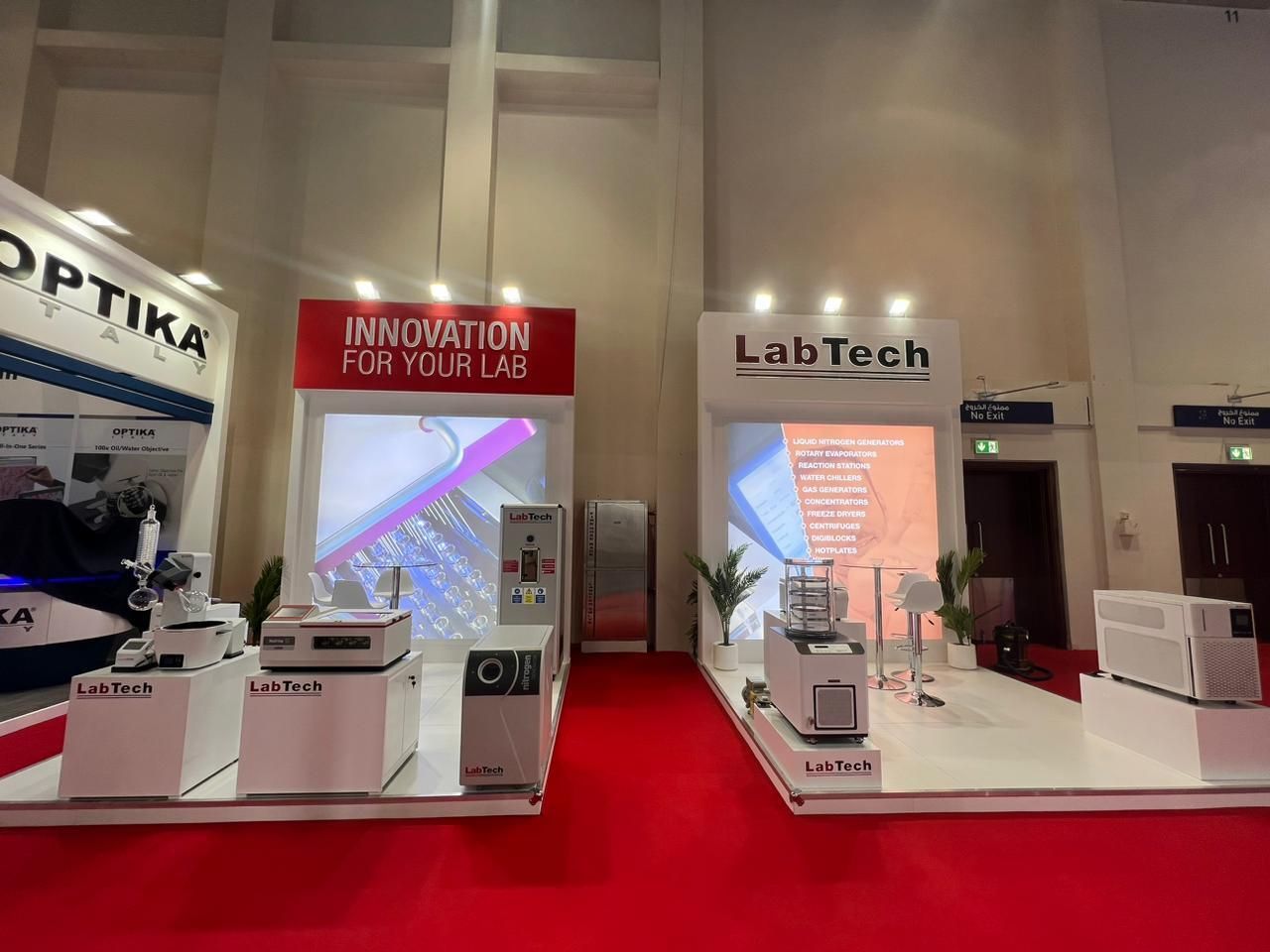
Before you think about banners, brochures, or signage, you need clarity. What does your event stand for? What feeling do you want people to walk away with?
Your event branding should reflect:
- Your core message
- Your audience’s expectations
- The purpose of the event
Whether it’s a corporate conference, product launch, or gala dinner, your brand identity design becomes your foundation. This includes your color palette, typography, tone of voice, and visual style. Without this clarity, even the most beautiful prints will feel disconnected.
But once you do have that clarity, everything starts to fall into place. Decisions become easier. Ideas flow more naturally. You’re no longer guessing what looks good; you’re choosing what feels right for your event.
Think of your brand as the emotional heartbeat of your event. Every detail should echo that feeling. If your event is meant to inspire, your visuals should feel bold and uplifting. If it’s meant to feel premium and exclusive, every element should carry elegance and refinement.
Take a moment to step into your attendee’s shoes. Imagine their journey from the first invitation they receive to the moment they leave the venue. What story are they experiencing? What emotions are you guiding them through?
This is where intention matters. Your colors aren’t just colors; they set the mood. Your typography isn’t just text; it shapes perception. Your messaging isn’t just words; it builds connection.
When all of these elements align, your event begins to feel cohesive, almost effortless. Attendees won’t have to think about your branding; they’ll feel it. And that feeling is what stays with them.
Clarity also protects you from inconsistency. Without it, branding can quickly become scattered, with different designs, mixed messages, and visuals that don’t quite connect. But with a clear direction, every piece, whether printed or digital, becomes part of a unified experience.
And that’s the goal. Not just to impress, but to connect. Not just to decorate, but to communicate something meaningful. Because at the end of the day, people may forget the schedule or the small details, but they will always remember how your event made them feel.
Build a Strong Visual Identity
Your visuals are the first thing people notice. They create that immediate emotional reaction, sometimes within seconds.
Focus on:
- A memorable logo
- Consistent color schemes
- Unique typography
- High-quality graphics
These elements should be present across all materials, both digital and printed. This is where corporate event branding truly shines. Consistency builds trust, and trust builds recognition.
Think of your branding as a visual language. Every element should speak the same message.
But here’s the deeper truth: your visuals don’t just “look good,” they feel something. They quietly tell your audience what your event is about before a single word is spoken. A bold color palette can spark excitement. Soft tones can create calm and elegance. Clean typography can signal professionalism, while playful fonts can invite creativity and fun.
This is where intention becomes everything.
Your logo shouldn’t just sit on a banner; it should anchor your identity. Your colors shouldn’t just fill space; they should create mood and energy. Your graphics shouldn’t just decorate; they should guide attention and tell a story.
When these elements come together with purpose, they create a sense of familiarity. Attendees begin to recognize your brand instantly, whether they’re scrolling through social media, opening an email, or walking into your event space. That recognition builds comfort, and comfort builds trust.
And trust is powerful. It makes people more open, more engaged, and more likely to connect with what you’re offering.
Consistency is what turns individual design elements into a complete experience. When every visual touchpoint aligns, from the smallest printed detail to the largest stage backdrop, your event feels polished, intentional, and professional. Nothing feels out of place.
Over time, this consistency becomes your signature. People don’t just remember your event, they remember how it looked and felt. And that’s what keeps your brand alive in their minds long after the event is over.
Plan Your Event Printing Materials Strategically
Printing isn’t just about putting your logo on paper. It’s about creating touchpoints that reinforce your brand throughout the entire event journey.
Here are essential event printing materials to consider:
- Invitations and RSVP cards
- Banners and backdrops
- Brochures and event programs
- Name badges and lanyards
- Directional signage
- Branded merchandise
Each printed piece should feel like part of the same story. This is how printed event collateral turns into a powerful branding tool rather than just functional material.
Because when someone holds your invitation in their hands, that’s their very first physical connection with your event. It sets expectations. It builds curiosity. It creates anticipation. And when they arrive at the venue, every printed element they see should continue that same story without interruption. Think about the journey.
The invitation sparks interest. The signage welcomes and guides. The program informs and engages. The badge makes them feel like they belong. The merchandise gives them something to take home.
Each piece plays a role. Each piece carries emotion.
When these materials are thoughtfully designed and aligned, they create a seamless experience. Attendees don’t feel like they’re moving through separate elements; they feel like they’re part of something carefully crafted just for them.
Even small details can leave a lasting impression. The texture of the paper, the finish of a printed card, the way colors appear under lighting, these subtle touches quietly communicate quality and care. They show that every aspect of the event has been considered. And that’s what people remember.
They remember how everything felt connected. They remember how easy it was to navigate. They remember the little details that made the experience feel complete.
When your printed materials work together in harmony, they stop being “just prints” and start becoming moments. Moments that guide, engage, and stay with your audience long after the event ends.
Focus on High-Quality Print Design
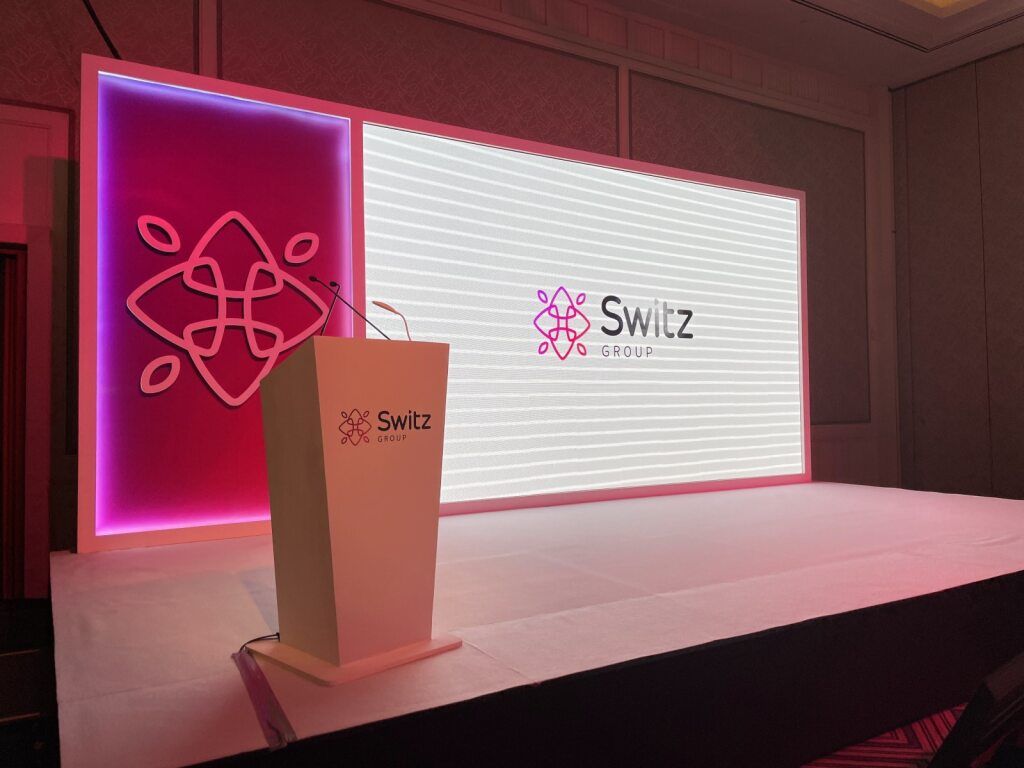
Even the best ideas can fall flat if the execution isn’t right. Your print design for events should be sharp, clear, and professionally produced.
Pay attention to:
- Paper quality and finishes
- Print resolution
- Color accuracy
- Layout spacing
Small details matter. A premium finish can instantly elevate your brand perception, while poor printing can quietly damage it.
People notice quality, even if they don’t consciously think about it.
Maintain Consistency Across All Touchpoints
Consistency is where the magic happens. It ties everything together and creates a seamless experience.
Your branding should remain uniform across:
- Digital platforms
- Social media promotions
- Event website
- On-site visuals
- Printed materials
This consistency is key to an effective event marketing strategy. When people see the same look and feel everywhere, it reinforces your identity and makes your event more memorable.
Use Signage to Guide and Impress
Signage is more than directional; it’s experiential.
Creative event signage design can:
- Guide attendees effortlessly
- Enhance the venue’s atmosphere
- Reinforce your brand identity
From entrance displays to stage backdrops, every sign should feel intentional. This is where custom event signage becomes a storytelling tool. Make it bold. Make it clear. Make it unforgettable.
Create Immersive Branded Experiences
Printing and branding shouldn’t feel static. They should feel alive.
Think about:
- Interactive booths
- Photo walls with branded backdrops
- QR codes on printed materials
- Augmented reality experiences
When attendees interact with your brand, they connect with it on a deeper level. That’s the power of event visual branding combined with experience design.
Personalize Where Possible
People remember experiences that feel personal.
Add small touches like:
- Customized name badges
- Personalized welcome kits
- Tailored printed agendas
Personalization turns your event from “just another event” into something meaningful. It shows attention to detail and makes attendees feel valued.
Integrate Digital and Print Seamlessly
In today’s world, print and digital should work together, not separately.
For example:
- Use QR codes on brochures linking to event apps
- Promote hashtags on printed signage
- Combine digital displays with printed branding
This blend strengthens your overall event branding strategy and extends your reach beyond the physical event.
Don’t Forget the Power of Merchandise
Branded giveaways are more than just gifts; they’re lasting reminders.
Consider:
- Notebooks
- Tote bags
- Water bottles
- Tech accessories
Well-designed merchandise keeps your brand in people’s lives even after the event ends. It’s one of the simplest ways to boost recall and engagement.
Final Thoughts
At the end of the day, event branding and printing are not just about aesthetics. They’re about emotion. They’re about creating a feeling that stays with your audience long after the event is over.
When every detail, from a small printed card to a massive stage backdrop, aligns with your vision, something powerful happens. Your event becomes more than just an experience. It becomes a story people carry with them. And that’s where true impact lies.
Key Takeaway
- Event branding is not just design; it’s the emotion your audience feels and remembers long after the event ends.
- Clarity in your message and vision is the foundation of every impactful branding decision.
- Consistency across visuals and printed materials builds trust, recognition, and a seamless experience.
- Thoughtfully designed printing materials turn simple touchpoints into meaningful moments.
- Personalization and immersive elements help create deeper connections with attendees.
- When everything aligns, your event becomes more than an experience; it becomes a lasting memory.
FAQs
Q1. Why is event branding important?
A: Event branding helps create a strong identity, making your event memorable and recognizable. It also builds trust and emotional connection with your audience.
Q2. What are the most important printed materials for an event?
A: Key materials include invitations, banners, brochures, signage, badges, and branded merchandise. Each plays a role in reinforcing your brand.
Q3. How can I ensure consistency in event branding?
A: Use the same colors, fonts, logos, and tone across all platforms, both digital and print. Create a branding guideline before execution.
Q4. Is digital branding more important than print?
A: Both are equally important. Digital builds awareness, while print enhances the physical experience. Together, they create a complete branding strategy.
Q5. How can I make my event branding stand out?
A: Focus on creativity, personalization, high-quality design, and immersive experiences. Unique details and consistency are what truly make a difference.
About the author: Humais Waqar, Marketing Head, Purrple Orryx Events. Humais Waqar leads marketing at Purrple Orryx Events, the Dubai corporate event management company, and writes about planning conferences, gala dinners, launches and team events in the UAE.