Indoor vs Outdoor Event Planning: What You Should Know
By Humais Waqar, Marketing Head, Purrple Orryx Events · 19 May 2026 · 12 min read
Planning a corporate event? We plan and deliver corporate events end to end.
“Choosing the right venue setting is one of the most consequential decisions in event planning. Whether you're organizing a wedding, corporate gathering, or private celebration, this in-depth guide walks you through everything from weather contingencies and guest comfort to budget breakdowns and logistical considerations.”
Table of Contents
- What the Choice Really Means
- Benefits of Indoor Venues
- Drawbacks of Indoor Venues
- Benefits of Outdoor Venues
- Drawbacks of Outdoor Venues
- Side-by-Side Comparison
- Budget Considerations
- Best Setting by Event Type
- Decision Checklist
- Final Thoughts
- FAQs
What the Choice Between Indoor and Outdoor Really Means
When event planners and clients sit down to discuss venue options, the indoor vs outdoor decision rarely feels like a simple preference; it's a foundational choice that cascades through every other aspect of your event. Your venue setting shapes the overall event atmosphere, determines which vendors you'll need, sets constraints on your event layout design, and directly influences your guests' comfort and overall experience.
An indoor event venue puts a roof over your celebration, literally and figuratively. It means climate control, built-in audio-visual systems, reliable lighting, and the peace of mind that comes with predictability. An outdoor event venue, on the other hand, trades certainty for spectacle: natural scenery, open-air freshness, and a visual grandeur that no amount of interior design can fully replicate.
Neither option is objectively superior. The best choice depends on your specific event type, your guest list, your budget, the season, and, perhaps most importantly, the vision you hold for the event experience itself. This guide breaks down every dimension you need to consider before signing a venue contract.
72%
Many couples consider the weather the top concern when choosing a wedding venue
40%
Higher setup costs on average for outdoor events requiring infrastructure
3×
More vendors typically need to coordinate an outdoor vs. an indoor event
The Benefits of Choosing an Indoor Venue
Indoor venues have been the backbone of event planning for good reason. From intimate private parties to large-scale corporate conferences, the enclosed environment provides a controllable, predictable, and often more refined setting. Here's a detailed look at every advantage an indoor event space offers.
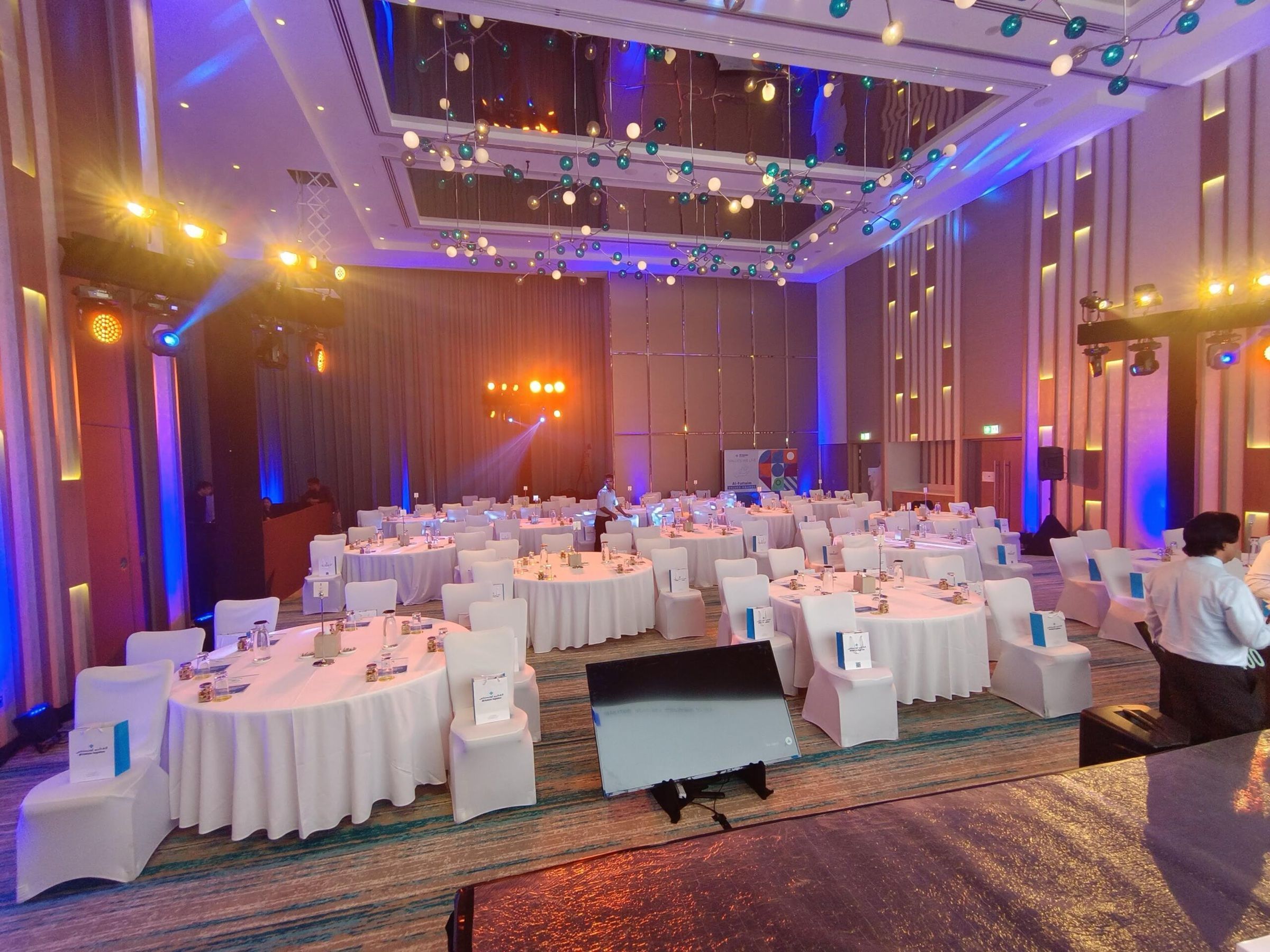
1. Complete Weather Independence
The most significant advantage of an indoor special events venue is its immunity to weather conditions. Rain, wind, extreme heat, or unexpected temperature drops simply don't factor into your planning. This is especially important in regions with unpredictable climates or when hosting events in transitional seasons like spring and autumn, when a clear morning can become a stormy afternoon.
Weather-proofing your event means you can finalize your event timeline, entertainment schedule, and catering plan without building in fallback scenarios. Your florist knows the flowers won't wilt in unexpected heat. Your photographer knows the lighting will remain consistent. Your guests won't need to check the forecast before deciding what to wear.
Planning Tip
"If you're set on an outdoor aesthetic but worried about the weather, look for indoor venues with large windows, skylights, or glass walls, where you get natural light and greenery views without the weather risk."
2. Built-In Infrastructure and Amenities
Most dedicated indoor event spaces come equipped with essential infrastructure that eliminates the need for expensive rentals. This typically includes climate control systems (HVAC), integrated sound systems, professional lighting rigs, commercial-grade kitchen facilities, and a reliable power supply throughout the space.
This built-in infrastructure not only reduces vendor coordination complexity but also lowers overall event logistics costs. You don't need to hire a generator, rent a sound system, or source portable restrooms. The venue's event support staff are usually on-site and familiar with how the space functions, providing an additional safety net for event day operations.
3. Consistent Guest Comfort Throughout the Event
Indoor venues offer a controlled environment that ensures guest comfort from arrival to departure. This is especially relevant for:
- Formal events and black-tie occasions — where guests in suits, gowns, and heels cannot be expected to navigate uneven grass or cope with sudden rain.
- Evening events, where outdoor temperatures can drop significantly between cocktail hour and dinner service.
- Events with elderly guests or guests with mobility requirements — where consistent, even surfaces and climate control are critical accessibility considerations.
- Corporate events and professional gatherings — where maintaining a professional atmosphere and ensuring focus are paramount.
4. Superior Acoustic and AV Control
Indoor event venues offer significantly better control over acoustics and audio-visual performance. Sound systems can be calibrated to the room's dimensions, microphones function without wind interference, and projection screens remain clearly visible without competing with natural light.
For corporate presentations, awards ceremonies, panel discussions, and live performances, this level of technical reliability is not just a preference, it's a necessity. Outdoor environments introduce variables like ambient noise, wind, and sunlight that can dramatically undermine even the most carefully planned AV setup.
5. Enhanced Security and Privacy
Enclosed venues offer a level of security and privacy control that open-air settings simply cannot match. Guest lists can be managed through a single entrance, sensitive corporate discussions remain confidential, and the risk of uninvited attendees is minimized. For high-profile private events, corporate product launches, or exclusive social gatherings, this level of controlled access is a significant operational advantage.
The Drawbacks of Indoor Venues
As reliable and comfortable as indoor venues are, they come with limitations that can feel constraining depending on the nature of your event.
Limited Natural Ambiance
Recreating the visual warmth and organic beauty of nature indoors requires significant investment in décor. Flowers, greenery installations, lighting effects, and carefully curated furniture arrangements can partially bridge the gap, but the authenticity of natural surroundings is something that money can only approximate, not replicate. For couples dreaming of a garden wedding or clients imagining an al-fresco dinner under string lights, an indoor ballroom will always require more creative work to achieve that vision.
Fixed Floor Plans Can Restrict Layout Creativity
Most indoor venues have structural constraints, load-bearing walls, fixed bars, built-in stages, or predetermined table configurations that limit how freely you can design the event layout. For large or unconventional gatherings, this can be a real challenge. The venue's existing aesthetic may also conflict with your desired theme, requiring extensive decorative intervention.
Acoustic Challenges with Noise Levels
A double-edged sword of indoor events is how sound travels within an enclosed space. While AV control is excellent, live music, DJ sets, and the collective noise of large gatherings can bounce off walls and create an uncomfortably loud environment where conversation becomes difficult. Careful event layout planning, including strategic seating placement away from speaker stacks, is essential to maintaining a balanced acoustic experience.
The Benefits of Choosing an Outdoor Venue
Outdoor events carry a certain magic that is genuinely difficult to manufacture indoors. From the natural backdrop to the sense of spatial freedom, hosting your event under the open sky creates an inherently memorable experience that guests consistently rate as distinctive and special.

1. Natural Scenery Does the Design Work for You
Perhaps the most compelling advantage of an outdoor event venue is that the setting itself becomes part of the décor. Rolling gardens, manicured lawns, rustic courtyards, beachfronts, or hilltop terraces provide a visual backdrop that no interior design budget can fully replicate. This natural scenery reduces the need for heavy decorative investment; the environment is already doing much of the atmospheric work.
For weddings in particular, the visual appeal of natural surroundings in photography is unmatched. Golden-hour light filtering through trees, wildflower meadows as ceremony backdrops, and starlit skies above reception tables create the kind of imagery that appears effortlessly romantic in photographs and video.
2. Flexible, Customizable Event Layout
Without the structural constraints of walls, fixed stages, and predetermined floor plans, outdoor spaces offer genuine layout flexibility. You can design the event flow exactly as you envision it, spreading cocktail stations across a garden, positioning a ceremony arch at the ideal location relative to sunset, or creating separate zones for different activities across a large property.
This spatial freedom allows event planners to create truly immersive environments where each area of the venue serves a distinct purpose and aesthetic, giving guests a journey through the event rather than a static experience in a single room.
3. Naturally Relaxed and Social Atmosphere
Fresh air, open space, and natural light collectively create an easygoing environment that encourages social interaction. Guests tend to move more freely, conversations happen more organically, and the overall mood is lighter and more celebratory. This is particularly valuable for events where social mingling is central to the experience, such as garden parties, summer celebrations, milestone birthday parties, and festival-style corporate events.
"Outdoor events tend to feel relaxed, open, and social, creating an easygoing environment where guests can fully embrace the experience from the moment they arrive."
4. Natural Lighting for Photography and Atmosphere
Natural light is a photographer's best friend and a décor designer's most powerful tool. The quality of natural light, particularly during golden hour, creates an atmosphere of warmth and authenticity that artificial studio lighting can never perfectly replicate. For events where photography and videography are important (weddings, product launches, brand activations), an outdoor setting provides a natural visual advantage.
5. Greater Capacity Potential
Large outdoor spaces can often accommodate significantly more guests than comparable indoor venues in the same price range. Without the limitations of room square footage, fire capacity ratings, or structural load constraints, outdoor event spaces can scale more easily for large gatherings, making them attractive options for community events, large weddings, company picnics, and music festivals.
The Drawbacks of Outdoor Venues
For all their natural appeal, outdoor venues introduce a set of logistical and operational challenges that can significantly complicate event planning and, in some cases, dramatically affect the event experience.
Weather: The Unpredictable Variable
Weather is unquestionably the most significant risk factor in outdoor event planning. Even with a robust weather contingency plan, unexpected conditions, such as sudden downpours, unseasonable heat, persistent wind, or fog, can fundamentally alter the character of your event. A garden ceremony under a sun-drenched sky is a completely different experience from the same ceremony conducted under emergency tents while guests huddle in ponchos.
Important Consideration
Always have a weather backup plan and confirm it in writing with your venue. A contingency plan that hasn't been tested or rehearsed with your vendors is not a real contingency plan; it's a hope.
Infrastructure and Logistics Costs
Outdoor venues often require significant additional investment in infrastructure that indoor venues provide as standard. This can include:
- Tent or marquee hire — for weather protection and a defined event space
- Generator rental — for a reliable power supply in spaces without mains connections
- Portable restroom facilities — for venues without adequate permanent bathroom facilities
- Heating or cooling equipment — fans, misting systems, or patio heaters, depending on the season
- Lighting infrastructure — string lights, fairy lights, lanterns, or professional outdoor lighting rigs
These additional costs can substantially close the price gap between a seemingly "cheaper" outdoor venue and a fully-equipped indoor alternative.
Acoustic and AV Challenges
Open-air environments present significant challenges for sound systems. Sound dissipates quickly outdoors, requiring more powerful PA systems and careful speaker positioning to ensure consistent audio coverage across the event space. Wind, ambient noise from nearby roads or wildlife, and the general unpredictability of outdoor acoustics can undermine the technical quality of live performances, speeches, and presentations.
Ground and Surface Considerations
Uneven ground, grass surfaces, and gravel paths can create genuine accessibility challenges for guests with mobility considerations, elderly attendees, or anyone in formal footwear. Wet conditions make these challenges significantly worse. Planning for temporary flooring, pathways, and accessible routes is an additional logistical layer that indoor venues don't require.
Indoor vs Outdoor: A Detailed Side-by-Side Comparison
The table below distils the key differences across the most important dimensions of event planning decision-making.
| Factor | 🏛 Indoor Venue | 🌿 Outdoor Venue |
|---|---|---|
| Weather Risk | None fully weather-proofed | High requires contingency planning |
| Atmosphere | Controlled, refined, elegant | Natural, organic, relaxed |
| Décor Investment | A higher ambiance must be created | Lower nature provides the backdrop |
| AV & Sound | Excellent built-in systems | Challenging open-air acoustics |
| Guest Comfort | Consistent throughout | Variable weather-dependent |
| Layout Flexibility | Limited by the venue structure | High design freely |
| Photography Quality | Controlled, consistent lighting | Natural light, golden hour potential |
| Infrastructure Costs | Lower most included in venue fee | Higher tents, generators, etc. |
| Privacy & Security | Excellent single-controlled access | Moderate, harder to control perimeter |
| Guest Capacity | Limited by venue square footage | Potentially larger at the same price point |
| Accessibility | Usually fully accessible | Can be challenging ground surfaces |
| Seasonal Suitability | Year-round reliability | Best in spring/summer/early autumn |
Budget Considerations: Understanding the True Cost of Each Option
One of the most common misconceptions in event planning is that outdoor venues are inherently less expensive than indoor spaces. While the venue hire fee for an open-air location may appear lower on the surface, the cumulative cost of the infrastructure required to make it functional and comfortable can quickly equalize or exceed the all-inclusive cost of a well-equipped indoor venue.
🏛 Indoor Venue Costs
- Venue hire fee (includes most amenities)
- Catering (kitchen already on-site)
- Décor and floral arrangements
- Photography and videography
- Entertainment and DJ/band
- No generator or tent costs
- No portable restroom hire
- Reduced logistics coordination
🌿 Outdoor Venue Costs
- Venue or location hire fee
- Tent or marquee rental
- Generator and power infrastructure
- Portable or temporary restrooms
- Outdoor lighting equipment
- Heating or cooling systems
- Temporary flooring/staging
- Additional AV setup for outdoors
Budget Planning Tip
"When comparing venue costs, always request a fully itemized quote from both indoor and outdoor options. Ask outdoor venues specifically what infrastructure costs are not included in the hire fee; the surprises are usually in those line items."
For events in the mid-range budget tier, indoor venues often represent better value per head once all external costs are factored in. For high-budget events with strong outdoor aesthetic aspirations, the additional expenditure on infrastructure can be justified by the unique atmosphere delivered, but it should be budgeted accurately from the outset, not discovered midway through planning.
Choosing the Right Setting by Event Type
Different events have different core requirements. The following breakdown offers guidance based on common event categories and the setting that typically serves each one best.
Weddings and Ceremonies
Weddings are the event type where the indoor vs outdoor debate is most emotionally charged. Many couples have a deeply held vision of an outdoor ceremony, and for good reason, as natural settings create imagery and atmosphere that is hard to beat. However, the practical realities of weather risk, guest comfort (especially elderly family members), formal attire, and catering logistics mean that hybrid approaches to outdoor ceremony, indoor reception are often the most satisfying compromise. Venues with both options under one umbrella offer the best of both worlds.
Corporate Events and Conferences
For corporate event planning, indoor venues are almost always the professional preference. Reliable AV performance, climate control, consistent professional atmosphere, privacy, and ease of catering make indoor conference spaces and banquet halls the natural fit. Outdoor settings can work well for informal team-building activities, company picnics, or product launch events, but rarely for formal presentations or sensitive business meetings.
Birthday Parties and Social Celebrations
Private party planning offers the most flexibility. Milestone birthdays, anniversary celebrations, and cocktail parties can thrive in either setting, depending on the desired vibe. Outdoor garden parties in warm weather create a relaxed, festive atmosphere. Indoor celebrations offer reliability and can scale more predictably regardless of season or time of day.
Brand Activations and Product Launches
Brand events often benefit from the visual distinctiveness of outdoor settings, particularly when natural light is required for content creation and social media documentation. However, the AV demands of product launches and the need for precise technical control often push planners toward high-quality indoor venues or hybrid setups that combine an outdoor experiential area with an indoor presentation space.
Charity Galas and Fundraising Events
Formal charity events and galas typically favour indoor venues for their ability to create an atmosphere of elegance and occasion. The controlled environment supports silent auctions, live entertainment, formal dining, and the kind of uninterrupted speechmaking and programme sequencing that defines a successful gala evening.
Your Event Venue Decision Checklist
Before committing to either an indoor or outdoor venue, run through these key questions. Honest answers will guide you toward the right decision far more reliably than intuition alone.
Questions to Ask Before You Decide
| What time of year is the event, and what is the typical weather in that location? |
|---|
| Does my guest list include elderly attendees or guests with mobility needs? |
| How critical is AV quality for speeches, presentations, and live music? |
| What is my total budget, including infrastructure costs? |
| Is the event formal or casual in nature, and dress code? |
| How important are photography and visual aesthetics to the event? |
| Do I have a realistic weather contingency plan and a budget for it? |
| What is the guest count, and which venue type best accommodates it? |
| Is the event daytime or evening, and how does that affect lighting needs? |
| Does the venue offer both options or a flexible hybrid arrangement? |
Final Thoughts
The indoor vs. outdoor event-planning debate doesn't have a universal answer, and that's precisely the point. The best venue setting is the one that most faithfully serves your event's specific purpose, your guests' needs, your seasonal realities, and your overall vision for the occasion.
Indoor venues offer reliability, technical control, consistent guest comfort, and built-in infrastructure that simplifies logistics and reduces vendor coordination. They are the safe, professional, year-round choice, and in the hands of a creative planner, they can be as visually spectacular as any garden setting.
Outdoor venues offer something that cannot be manufactured: authenticity. Natural light, fresh air, open skies, and organic scenery create an atmosphere of genuine occasion that guests remember long after the evening ends. They reward bold, creative vision and careful logistical planning in equal measure.
The most successful event planners don't approach this as a binary choice; they look for venues that offer flexibility, whether that means an indoor space with spectacular windows and natural light, an outdoor space with a high-quality permanent structure for weather backup, or a venue complex that genuinely provides both. When in doubt, the golden rule of event planning applies: design for your guests' comfort first, and let the aesthetic follow.
Frequently Asked Questions
Q1. What is the biggest advantage of an indoor event venue?
A: Indoor venues provide reliable weather protection, climate control, and better comfort for guests, making them ideal for formal and professional events.
Q2. Are outdoor venues more affordable than indoor venues?
A: Not always. Extra costs such as tents, lighting, generators, restrooms, and weather-backup setups can make outdoor events more expensive.
Q3. Which venue type is best for weddings?
A: A hybrid venue with both indoor and outdoor spaces is often the best choice, offering scenic ceremonies and comfortable indoor receptions.
Q4. How early should I book an event venue?
A: Popular venues should ideally be booked 12 to 18 months in advance, especially for weddings and peak-season events.
Q5. Are indoor venues better for corporate events?
A: Yes. Indoor venues offer reliable AV systems, privacy, climate control, and professional facilities that suit most corporate gatherings.
Q6. What is the best season for outdoor events?
A: Late spring and early autumn are usually the best seasons because of pleasant temperatures and lower chances of extreme weather.
About the author: Humais Waqar, Marketing Head, Purrple Orryx Events. Humais Waqar leads marketing at Purrple Orryx Events, the Dubai corporate event management company, and writes about planning conferences, gala dinners, launches and team events in the UAE.