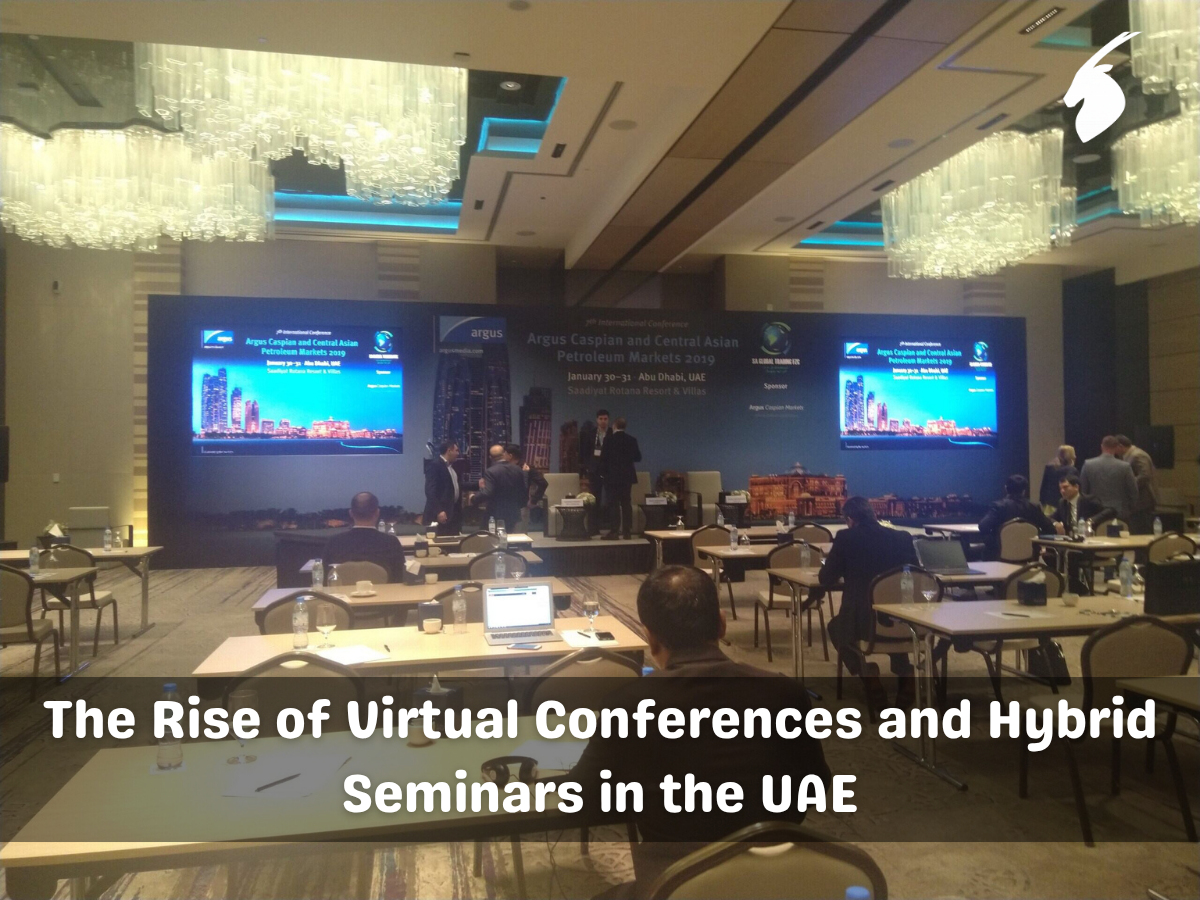
The Rise of Virtual Conferences and Hybrid Seminars in the UAE
By Humais Waqar, Marketing Head, Purrple Orryx Events · 5 Apr 2026 · 7 min read
Planning a corporate event? We plan and deliver conferences & summits end to end.
“Virtual conferences and hybrid seminars in the UAE are redefining how people connect, blending technology with real human interaction in a way that feels both powerful and personal. They offer flexibility, global reach, and meaningful engagement, making events more inclusive than ever before. In a fast-evolving world, this shift isn’t just practical, it’s deeply human. It reflects a new way of coming together, no matter the distance.”
In recent years, the UAE has quietly transformed the way people connect, learn, and do business. What once relied heavily on grand ballrooms, packed auditoriums, and face-to-face networking has now evolved into something far more flexible, inclusive, and powerful. Virtual conferences and hybrid seminars are no longer just alternatives; they are becoming the preferred choice.
There is something deeply human about gathering, sharing ideas, and building connections. But as the world changed, so did expectations. Businesses, educators, and organizations across the UAE began rethinking how they host events. The result is a dynamic blend of technology and human interaction that is reshaping the entire events industry.
Let’s explore how this shift is happening, why it matters, and what it means for the future.
A New Era of Connection
The rise of virtual conferences in the UAE didn’t happen overnight. It was driven by necessity at first, but what followed was innovation. Companies discovered that they could reach audiences far beyond geographical limits. A seminar hosted in Dubai could now be attended by participants from London, New York, or Singapore without anyone leaving their home.
This shift created something powerful: accessibility. People who once couldn’t attend due to travel costs, time constraints, or visa issues now had a seat at the table.
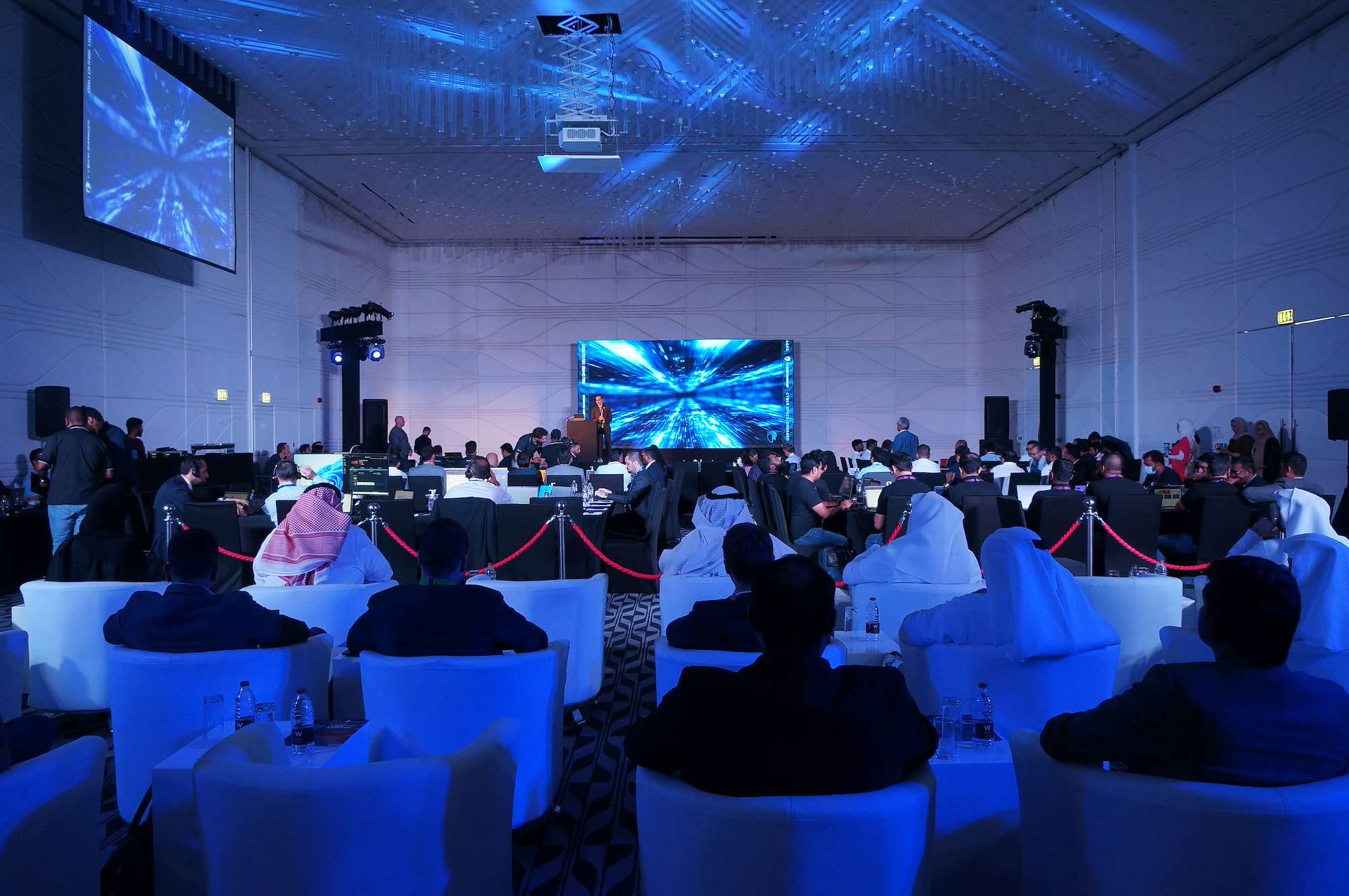
At the same time, hybrid seminars brought the best of both worlds. They allowed in-person attendees to enjoy physical experiences while giving remote participants a seamless digital connection. It’s not just a trend. It’s a transformation.
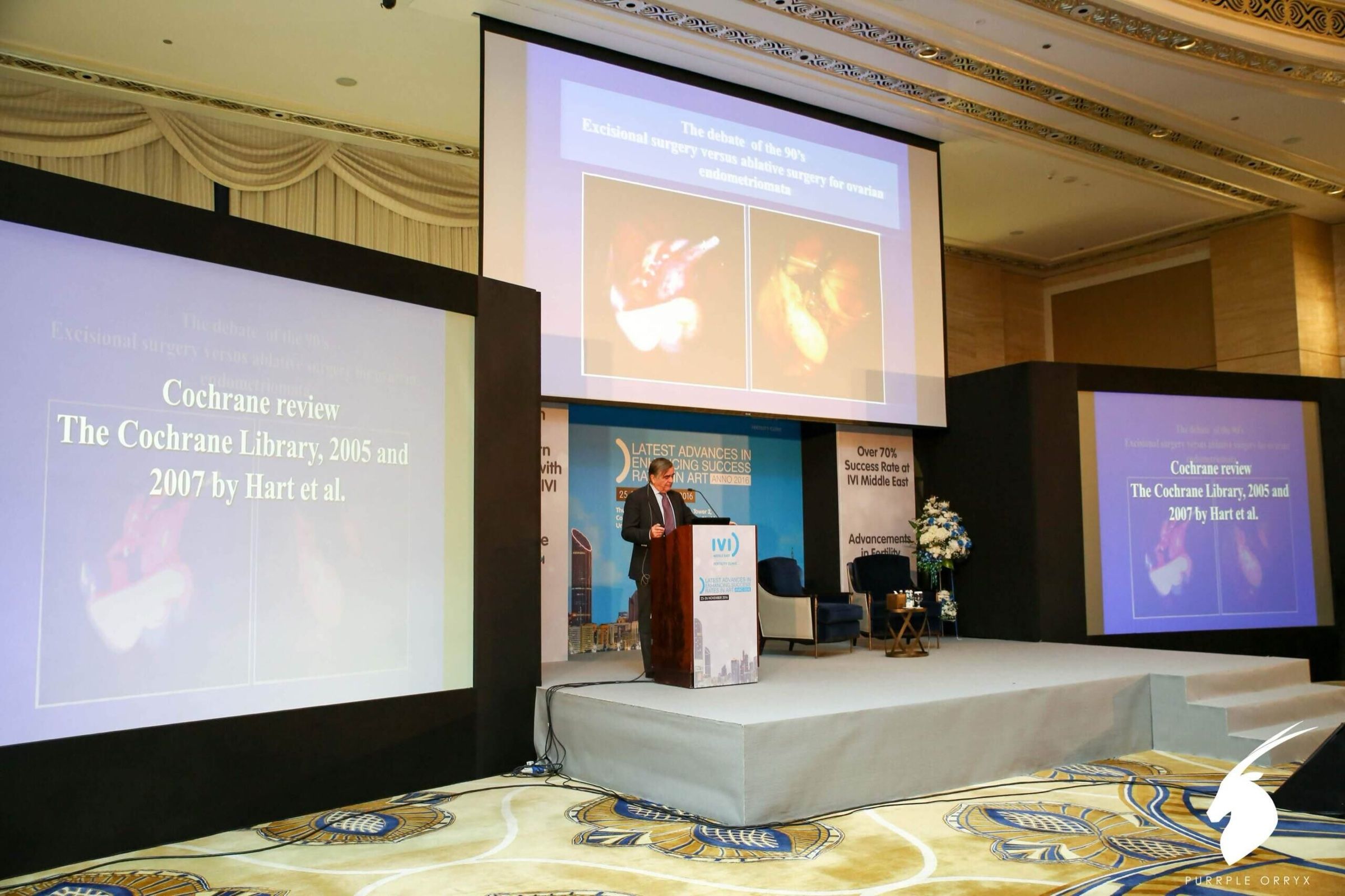
Why the UAE is Leading the Change
The UAE has always been known for embracing innovation. From smart cities to world-class infrastructure, the country is built for forward-thinking ideas. So it’s no surprise that it has become a hub for virtual and hybrid events.
Several factors contribute to this rise:
- Advanced digital infrastructure
- Strong government support for technology
- A diverse, global audience
- High demand for business and corporate events
Organizations are now investing heavily in platforms, tools, and expertise to create engaging virtual experiences. Whether it’s a product launch, a training seminar, or a global conference, the UAE is setting new standards.
Creating Real Connections in a Virtual World
Beyond technology, there’s a deeper emotional shift happening.
People are no longer just attending events. They want meaningful experiences. They want to feel connected, even through a screen. And this is where virtual and hybrid formats shine.
Interactive features like live chats, Q&A sessions, breakout rooms, and real-time polls help participants feel involved. It turns passive viewers into active contributors.
There’s also a sense of comfort. Attendees can join from familiar environments, making them more relaxed and open to engagement. It’s a different kind of connection, but in many ways, it feels more personal.
The Power of Hybrid Seminars
Hybrid seminars are quickly becoming the preferred format for many organizations in the UAE. Why? Because they offer flexibility without compromise.
Imagine hosting an event where:
- Local attendees enjoy a physical setup with immersive experiences
- International participants join virtually with equal access to content
- Speakers engage both audiences seamlessly
This approach ensures maximum reach while maintaining the impact of in-person interactions.
For businesses, this means higher ROI. For attendees, it means more choices.
Technology Driving the Transformation
At the heart of this shift is technology. But it’s not just about having tools. It’s about using them effectively.
Modern virtual conferences rely on:
- High-quality live streaming
- AI-powered matchmaking for networking
- Data analytics for attendee insights
- Immersive virtual environments
These innovations are helping organizers create events that feel less like broadcasts and more like experiences.
A skilled event planner understands how to combine these elements to deliver something memorable, not just functional.
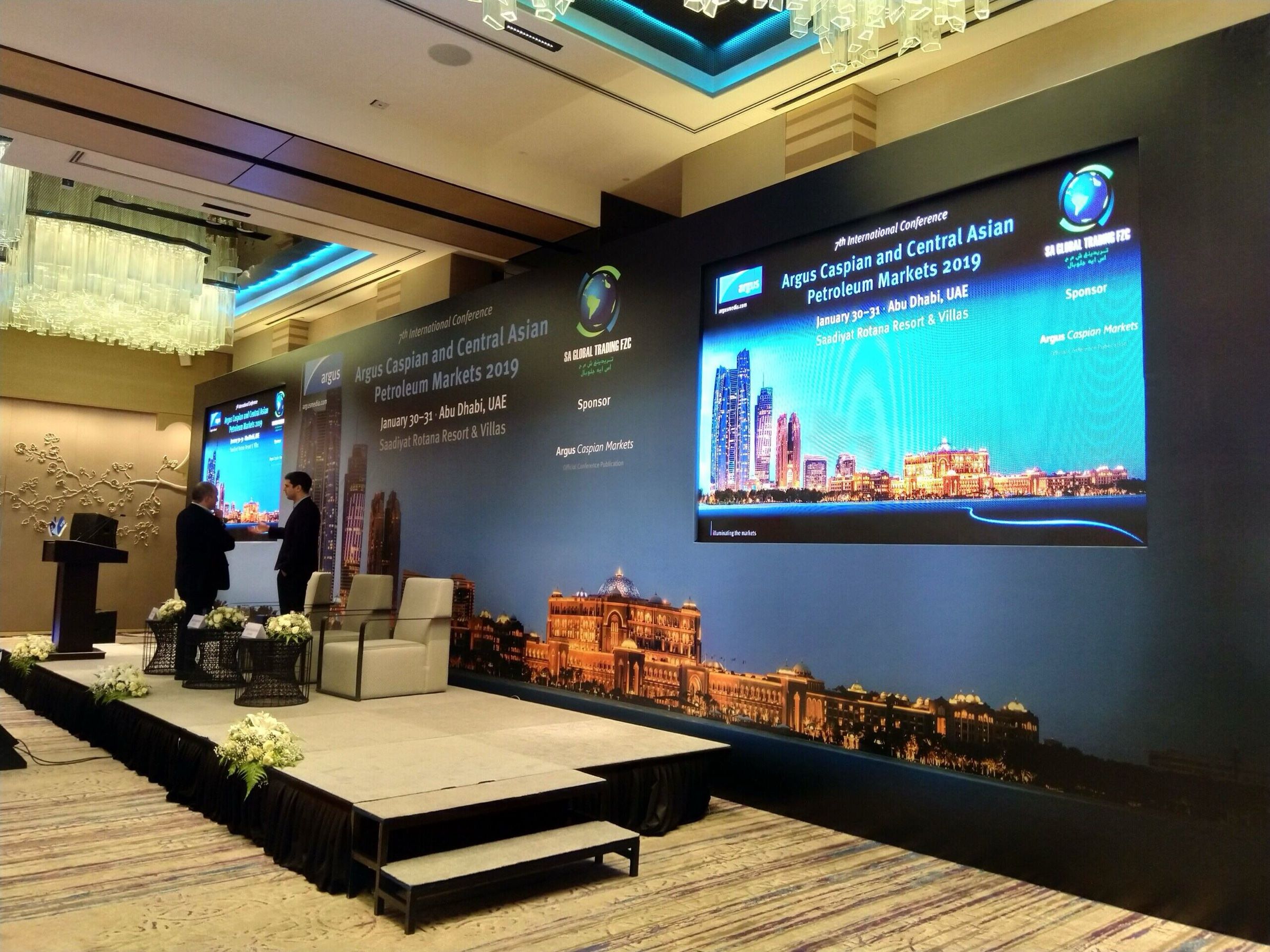
Challenges and How They’re Being Overcome
Of course, the transition hasn’t been without its struggles. Behind every smooth virtual conference or hybrid seminar, there are countless moments of uncertainty, trial, and adjustment. What looks effortless on the surface often comes from careful planning, quick thinking, and a deep understanding of both technology and human behavior.
Let’s be honest, when events first began shifting into virtual and hybrid formats, it wasn’t perfect. There were gaps. There were moments where things didn’t go as planned. But what makes the UAE’s event industry remarkable is how quickly it learned, adapted, and evolved.
The Reality of Technical Issues
Technology is powerful, but it can also be unpredictable. A slight delay in streaming, a microphone cutting out, or a platform freezing for a few seconds; these may seem small, but during a live session, they can feel overwhelming.
For organizers, these moments are intense. There’s pressure, there’s anxiety, and there’s a strong desire to keep everything running seamlessly. But over time, professionals have learned that perfection isn’t about avoiding problems altogether; it’s about being prepared for them.
Today, events are backed by:
- Multiple rehearsals that simulate real conditions
- Backup internet connections and secondary platforms
- Pre-recorded content ready to step in if needed
These layers of preparation create a safety net. So even if something goes wrong, the audience barely notices. The experience continues, and the brand’s credibility remains intact.
Fighting Audience Engagement Fatigue
One of the biggest challenges in virtual and hybrid events is keeping the audience truly engaged. In a physical setting, energy flows naturally. People are present, focused, and immersed. But online, distractions are everywhere. Notifications pop up, tabs switch, attention drifts.
This is where many events initially struggled. Long sessions, one-way communication, and static presentations made it hard for audiences to stay connected.
But the shift has been powerful.
Organizers now design experiences, not just presentations. They break content into shorter, more dynamic segments. They introduce:
- Live polls that invite instant participation
- Q&A sessions that make audiences feel heard
- Real-time chats that create conversation
It’s no longer about speaking to the audience. It’s about involving them. And when people feel included, their attention naturally returns.
Recreating the Magic of Human Connection
Perhaps the most emotional challenge has been replicating the feeling of real human interaction. There’s something special about face-to-face conversations, the energy in a room, the spontaneous networking moments. At first, it seemed impossible to recreate that online.
But instead of trying to copy the physical experience exactly, the industry chose a different path. It reimagined connection.
Virtual networking lounges, breakout rooms, and AI-driven matchmaking tools are now helping people connect in meaningful ways. Attendees can meet others with shared interests, join smaller group discussions, and build relationships that feel genuine, even through a screen.
It’s not the same as being in the same room. But in many ways, it’s more intentional. More focused. More accessible.
From Logistics to Experience Design
One of the most significant transformations has been in how events are planned.
In the past, the focus was heavily on logistics, venue setup, seating arrangements, and schedules. While these elements still matter, they are no longer the center of attention.
Today, companies offering Conference Planning services are shifting their mindset. They are thinking beyond execution and focusing on experience design.
This means asking deeper questions:
- How will the audience feel at each stage of the event?
- Where will they be most engaged?
- What moments will they remember?
Every detail, from the opening sequence to the closing message, is crafted with intention. The goal is not just to deliver information, but to create an experience that resonates.
The Power of Adaptation
What stands out most is the resilience of the UAE’s event industry. It didn’t resist change. It embraced it.
Challenges became lessons. Limitations became opportunities. And what started as a response to difficult circumstances has now turned into a refined, forward-thinking approach to events.
There’s a quiet confidence in how things are done today. Organizers are no longer reacting; they’re anticipating. They’re building events that are flexible, engaging, and prepared for anything.
And that’s the real success story here. Not the absence of challenges, but the ability to rise above them, again and again, with creativity, courage, and clarity.
The Role of Professional Expertise
As events become more complex, the need for professional expertise grows stronger.
A trusted Corporate Conference & Seminar Organizer plays a critical role in ensuring everything runs smoothly. From concept development to execution, they handle every detail while integrating both physical and digital elements.
Similarly, choosing the right Conference themes in Dubai can make a huge difference. A well-crafted theme not only attracts attendees but also sets the tone for the entire experience.
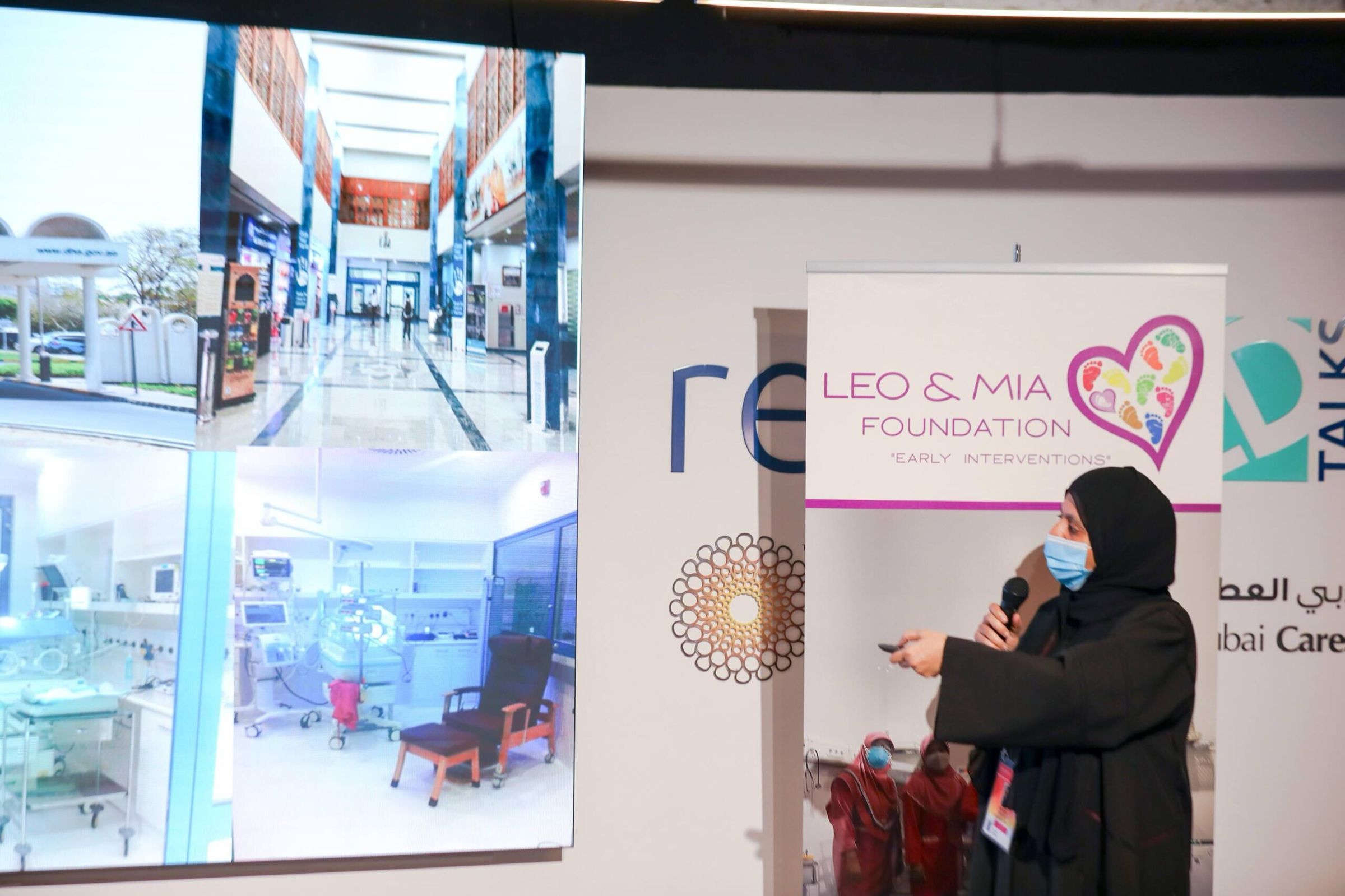
Benefits for Businesses and Attendees
The rise of virtual and hybrid events is creating value for everyone involved.
For Businesses:
- Wider audience reach
- Reduced operational costs
- Measurable engagement through analytics
- Increased brand visibility
For Attendees:
- Flexible participation options
- Access to global events
- Cost savings on travel and accommodation
- Personalized experiences
This mutual benefit is one of the biggest reasons behind the growing popularity of these formats.
What the Future Looks Like
The future of conferences in the UAE is not purely virtual or purely physical. It’s hybrid.
We’re moving toward a world where:
- Every event has a digital extension
- Attendees expect interactive experiences
- Technology continues to enhance human connection
Virtual reality, augmented reality, and AI-driven personalization are already beginning to shape the next phase of events.
The question is no longer whether to go virtual. It’s how to do it better.
Final Thoughts
The rise of virtual conferences and hybrid seminars in the UAE is more than just a shift in format. It’s a reflection of how people want to connect in today’s world.
There’s a quiet beauty in this evolution. It shows that even when circumstances change, the need for connection, learning, and growth remains strong. The UAE has embraced this change with confidence, turning challenges into opportunities.
For businesses and event organizers, this is the moment to adapt, innovate, and lead. Because the future of events isn’t coming. It’s already here.
FAQs
Q1. What is the difference between virtual conferences and hybrid seminars?
A: Virtual conferences are fully online events, while hybrid seminars combine both in-person and virtual participation, allowing attendees to choose how they join.
Q2. Why are hybrid events so popular in the UAE?
A: They offer flexibility, wider reach, and better engagement, making them ideal for a diverse and global audience.
Q3. Are virtual events as effective as physical events?
A: Yes, when planned correctly, virtual events can be equally engaging and even more accessible than traditional events.
Q4. What technology is needed for a successful virtual conference?
A: Key tools include live streaming platforms, interactive features like chat and polls, and analytics systems to track engagement.
Q5. How can businesses maximize engagement in hybrid events?
A: By creating interactive sessions, using advanced technology, and designing content specifically for both in-person and virtual audiences.
About the author: Humais Waqar, Marketing Head, Purrple Orryx Events. Humais Waqar leads marketing at Purrple Orryx Events, the Dubai corporate event management company, and writes about planning conferences, gala dinners, launches and team events in the UAE.