The Role of Fabrication in Construction and Event Infrastructure
By Humais Waqar, Marketing Head, Purrple Orryx Events · 30 Mar 2026 · 7 min read
Planning a corporate event? We plan and deliver corporate events end to end.
“Fabrication plays a vital role in both construction and event infrastructure by turning ideas into real, functional spaces. In construction, it builds strong, lasting structures, while in events, it creates immersive and memorable experiences. It blends precision with creativity, ensuring every design serves a purpose and connects with people. Without fabrication, even the best ideas would never truly come to life.”
Key Highlights
- Fabrication transforms raw materials into meaningful, functional structures in both construction and events.
- It serves as the backbone of strong, durable buildings and visually engaging event setups.
- In construction, fabrication ensures strength, precision, and long-term reliability.
- In events, it creates immersive experiences that connect emotionally with audiences.
- It blends engineering precision with creative design, bringing ideas to life.
- Supports modern trends like modular construction and customized event infrastructure.
- Enhances brand identity through unique, tailor-made designs and installations.
- Ensures safety, efficiency, and seamless assembly across all types of projects.
- Plays a key role in meeting today’s expectations for innovation and sustainability.
- Turns imagination into reality, shaping spaces people can experience and remember.
There’s something deeply powerful about watching an idea take physical form. A sketch on paper slowly transforms into steel, structure, and space. Whether it’s a towering building or a vibrant event stage, fabrication is the invisible force turning imagination into reality.
In both construction and event infrastructure, fabrication is not just a process; it’s the backbone that holds everything together. It shapes experiences, defines environments, and brings purpose to design. Without it, even the most brilliant concepts would remain unfinished dreams.
Let’s explore how fabrication plays a critical role across these industries, and why it matters more than ever today.
What is Fabrication in Construction and Events?
Fabrication is the quiet force that turns raw materials into something purposeful, something real. It begins with simple elements, sheets of metal, lengths of steel, pieces of wood, and transforms them through cutting, shaping, welding, and assembling them into structures that serve a clear function. In construction, this process gives life to the frameworks we depend on every day. Steel beams rise into place, columns take form, and carefully engineered components come together to create buildings that stand strong against time and nature. Every joint, every measurement, every cut carries responsibility, because these structures are not just built to exist; they are built to endure.
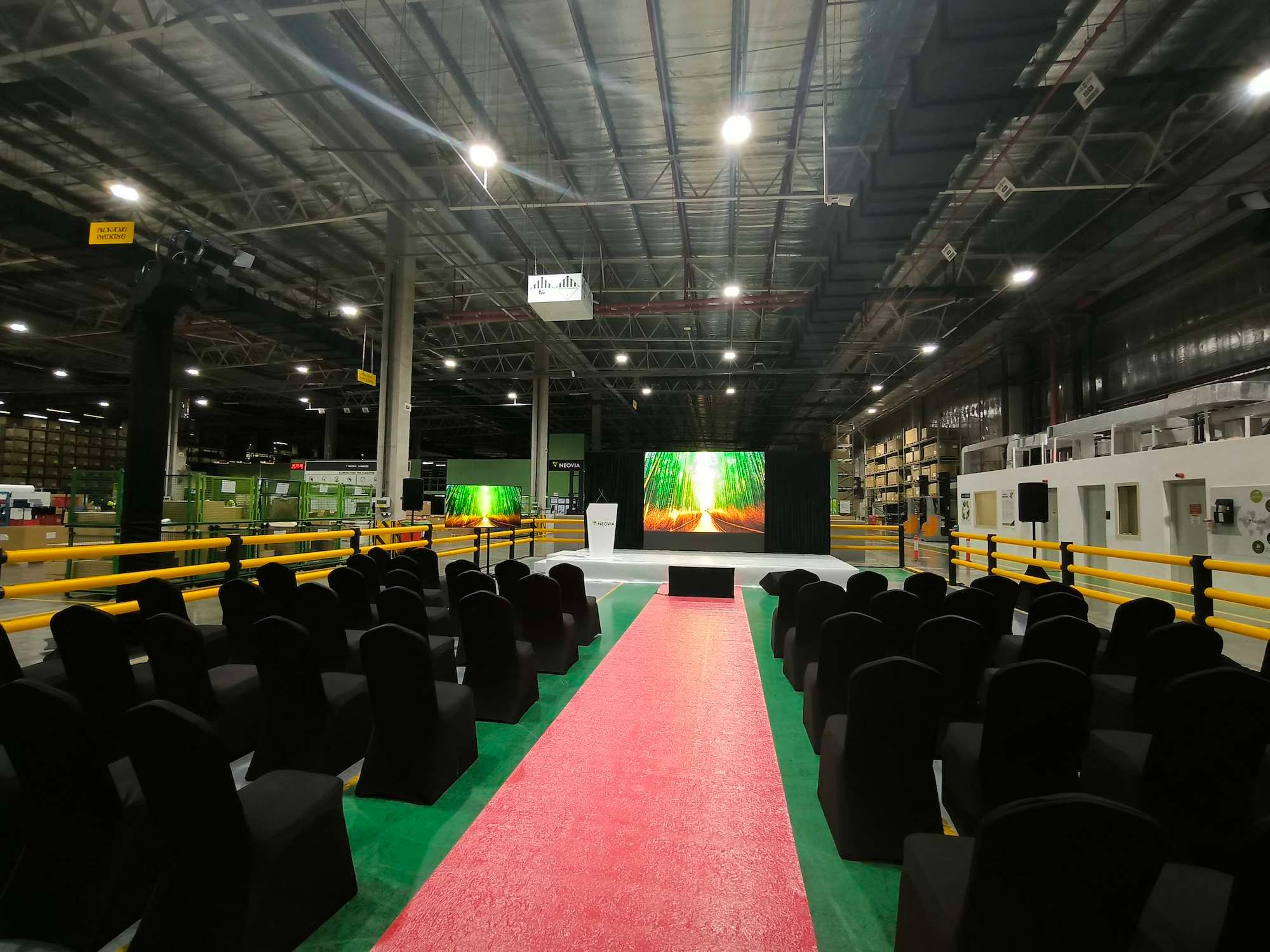
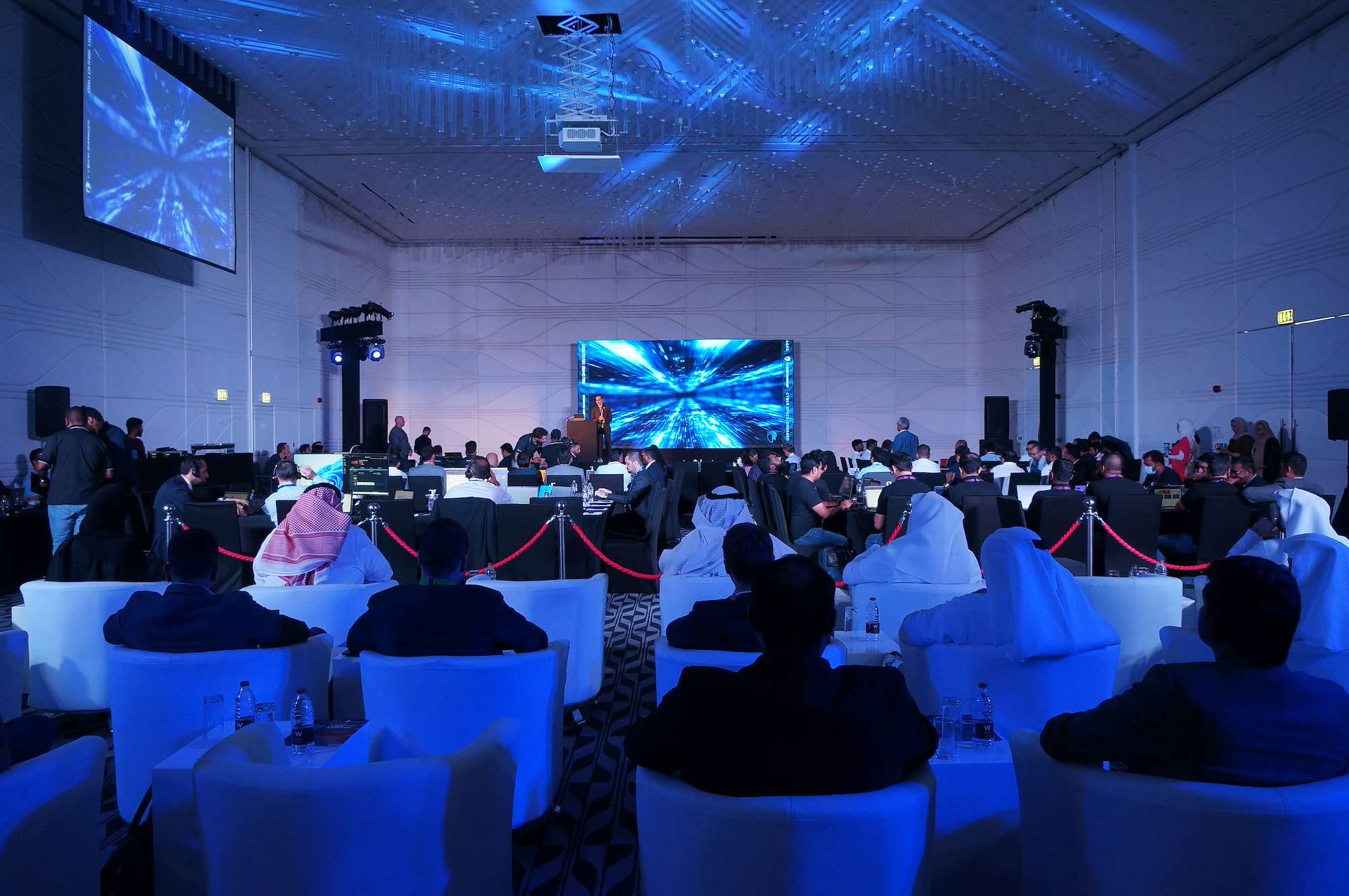
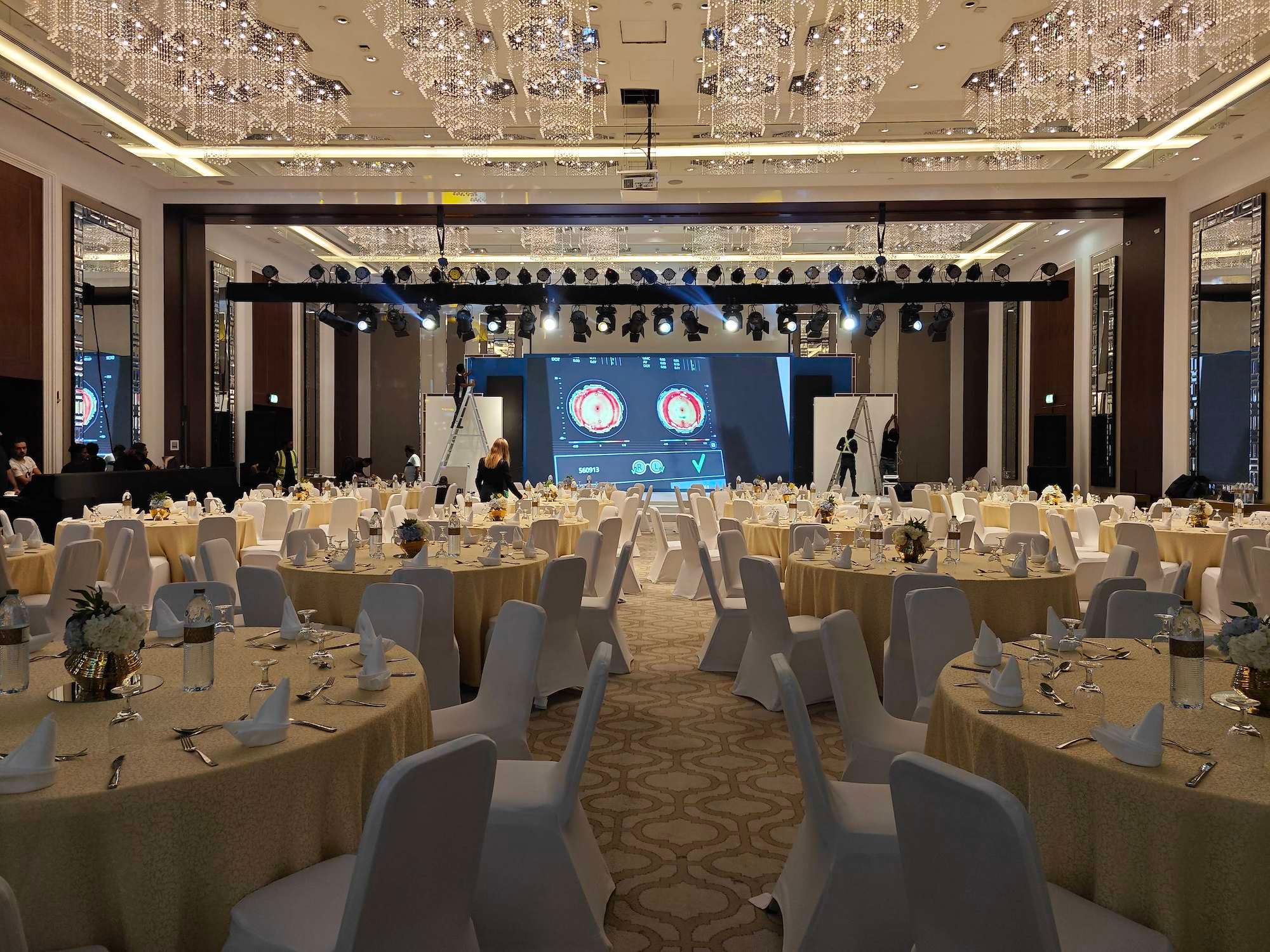
In the world of events, fabrication takes on a more expressive role. It becomes less about permanence and more about impact. Stages are crafted to command attention, exhibition booths are designed to tell stories, and immersive installations are built to spark emotion. These structures may be temporary, but the experiences they create can last far longer. A well-fabricated event space has the power to pull people in, guide their journey, and leave them with something they won’t forget.
What makes fabrication truly special is the balance it demands. It’s not purely technical, and it’s not purely creative. It lives in the space between the two. On one side, there’s precision, exact measurements, calculations, and structural integrity that cannot be compromised. On the other hand, there’s imagination, design, and the desire to create something that feels meaningful and visually compelling. When these two sides come together, fabrication becomes more than a process. It becomes a craft.
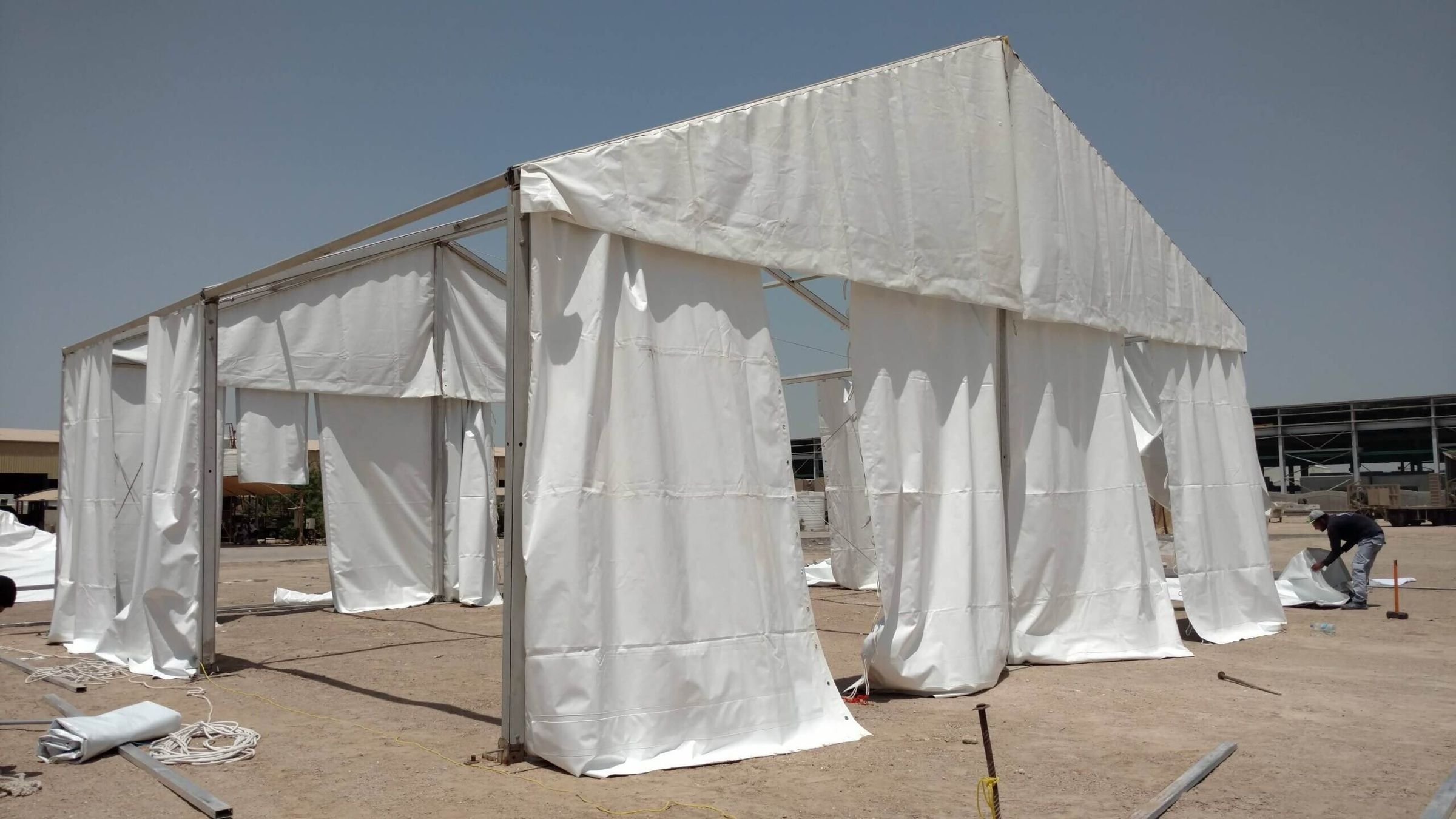
There’s also a human element to it that often goes unnoticed. Behind every fabricated structure is a team of skilled hands and thoughtful minds working in sync. They read blueprints, solve problems, adapt to challenges, and ensure that every piece fits exactly where it should. It’s a process that requires patience, attention to detail, and a deep understanding of materials and design.
At its heart, fabrication is where ideas stop being abstract. It’s the moment a concept leaves the page and enters the real world. It’s where engineering meets artistry, where raw materials gain purpose, and where measurements turn into meaning. And whether it’s supporting a skyline or shaping an unforgettable event, fabrication is what makes it all possible.
The Role of Fabrication in Construction
1. Building Strong Foundations
In construction, fabrication ensures that every structure is built with strength and durability. Steel fabrication in construction allows engineers to create frameworks that can withstand time, weather, and pressure.
From bridges to skyscrapers, structural fabrication services provide the backbone that keeps everything standing tall.
2. Precision and Efficiency
Modern construction fabrication processes rely on advanced tools and technology. Components are often fabricated off-site and then assembled on location. This not only saves time but also reduces errors.
It’s a quiet efficiency that keeps projects on track and budgets under control.
3. Supporting Modern Design
Today’s architecture is bold, creative, and often complex. Custom metal fabrication makes it possible to bring these designs to life.
Curved structures, unique facades, and innovative layouts all depend on precise fabrication techniques. Without it, modern design would feel limited.
4. Enabling Modular Construction
Modular construction systems are changing the industry. Prefabricated units can be built in controlled environments and then transported to the site.
This approach speeds up construction while maintaining high quality. It’s a perfect example of how fabrication continues to evolve with industry needs.
The Role of Fabrication in Event Infrastructure
1. Creating Immersive Experiences
In events, fabrication goes beyond structure. It creates emotion.
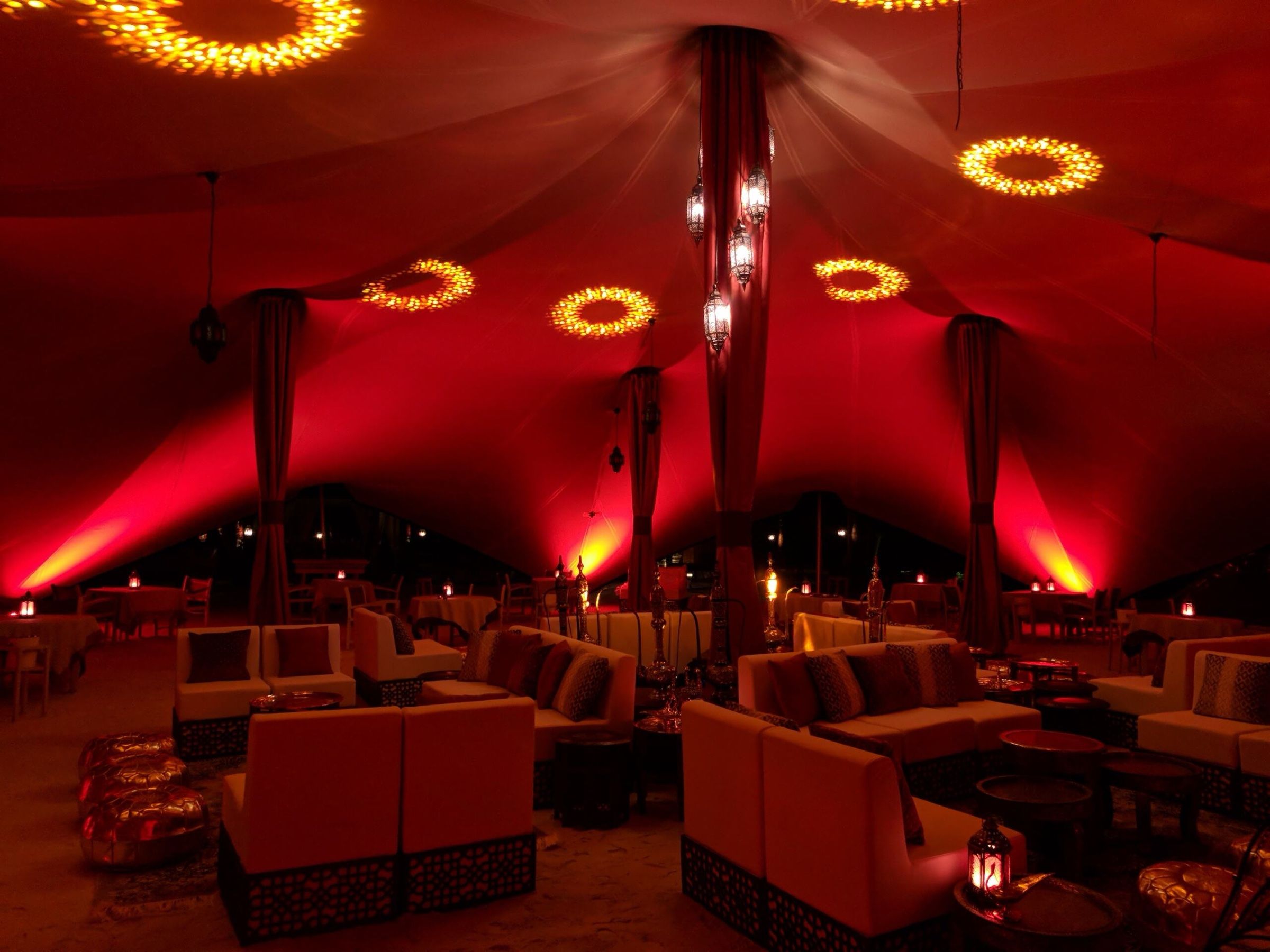
From exhibition booth fabrication to stage fabrication services, every element is designed to engage, attract, and connect with people. A well-crafted space doesn’t just look good; it tells a story.
2. Building Temporary Yet Impactful Structures
Unlike construction, event infrastructure often involves temporary setups. But temporary doesn’t mean less important.
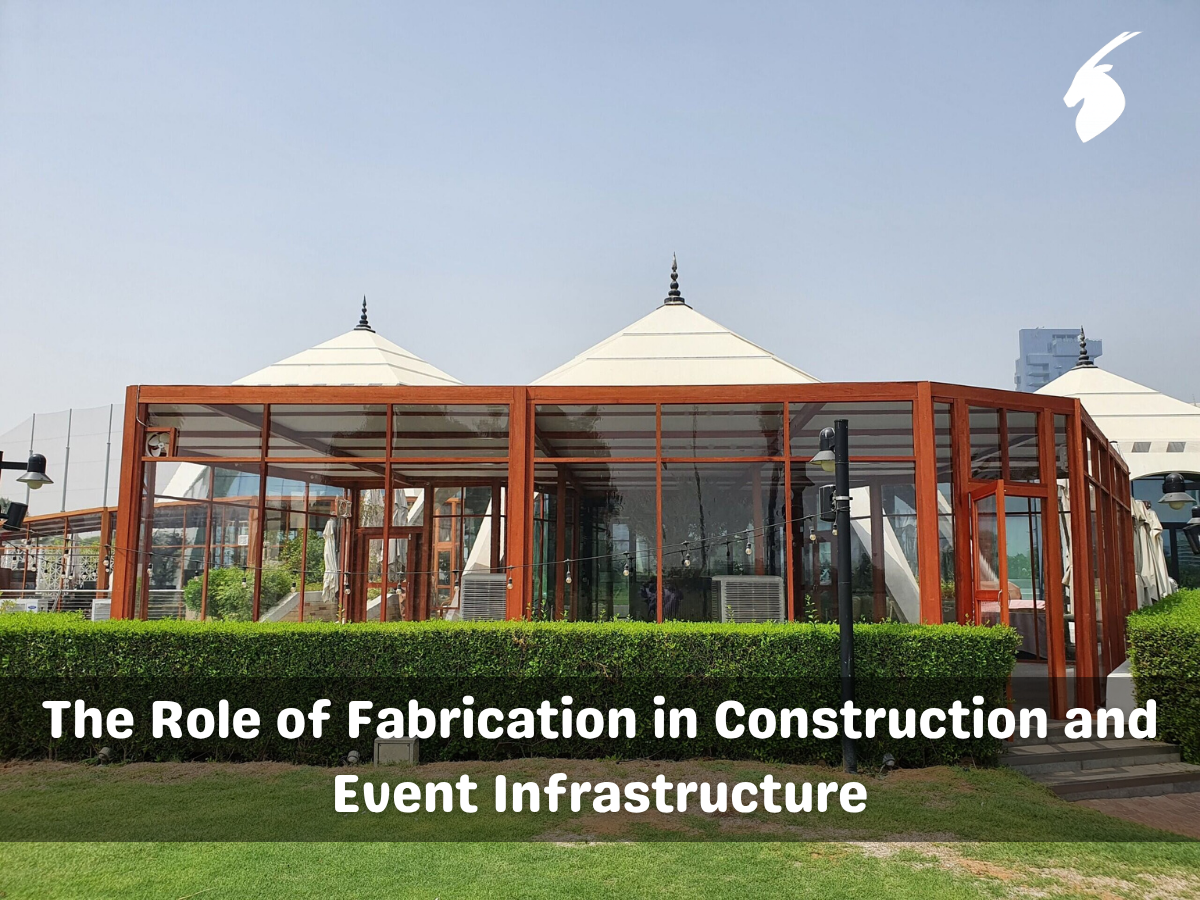
Temporary event structures must be safe, durable, and visually appealing. Fabrication ensures that even short-term installations leave a lasting impression.
3. Enhancing Brand Identity
Custom-built booths and displays reflect a brand’s personality. Through industrial fabrication solutions, companies can create unique environments that align perfectly with their message.
This is where design meets purpose, and where brands truly come alive.
4. Flexibility and Customization
No two events are the same. Fabrication allows for complete customization, from size and layout to materials and finishes.
This flexibility makes event infrastructure design more dynamic and impactful.
How Fabrication Connects Construction and Events
At first, construction sites and event spaces feel like they exist in completely different worlds. One is built to last for years, the other for just a moment. But beneath the surface, fabrication connects them in a way that feels almost invisible yet incredibly powerful. It brings the same discipline, precision, and creativity into both spaces, ensuring that whether something stands for decades or just a few hours, it serves its purpose perfectly and leaves an impact that lingers.
What connects construction and event fabrication:
- Strong structural integrity: Every structure, permanent or temporary, must stand with confidence and stability. It’s the silent promise of safety behind every design.
- Creative design execution: Beyond strength, there’s expression. Fabrication transforms ideas into forms that people can see, feel, and connect with.
- Efficient assembly and installation: Time is always a factor. Precision and planning ensure that every piece comes together smoothly, even under tight deadlines.
- Safety and durability: No matter how long a structure lasts, it must protect those who interact with it and perform without compromise.
In the end, whether it’s a towering building shaping a skyline or a stage lighting up a single unforgettable night, the principles remain the same. Fabrication ensures that every structure doesn’t just exist, it performs, supports, and creates an experience that feels effortless, even when so much effort lies beneath it.
The Growing Importance of Fabrication in Modern Industry
We’re living in a time where expectations have quietly risen. It’s no longer enough to simply build a structure or host an event. People want to feel something when they step into a space. They want experiences that connect, inspire, and stay with them long after they leave. This shift has changed everything, and fabrication has become the force that makes these expectations possible.
How expectations are shaping fabrication today:
- Innovation and sustainability in construction: Clients want more than durability. They look for smart designs, eco-friendly materials, and structures that reflect forward-thinking ideas.
- Engagement and immersion in events: Audiences expect to be part of the experience, not just observe it. They want spaces that pull them in and make them feel something real.
- Pushing creative boundaries: Fabrication allows designers to go beyond the ordinary, experimenting with unique materials, bold structures, and imaginative concepts.
- Creating standout environments: It transforms simple ideas into spaces that capture attention, leaving a lasting impression on everyone who experiences them.
At its heart, fabrication turns rising expectations into reality. It gives shape to ideas, depth to design, and meaning to every space, making each project feel purposeful, memorable, and alive.
Choosing the Right Fabrication Partner
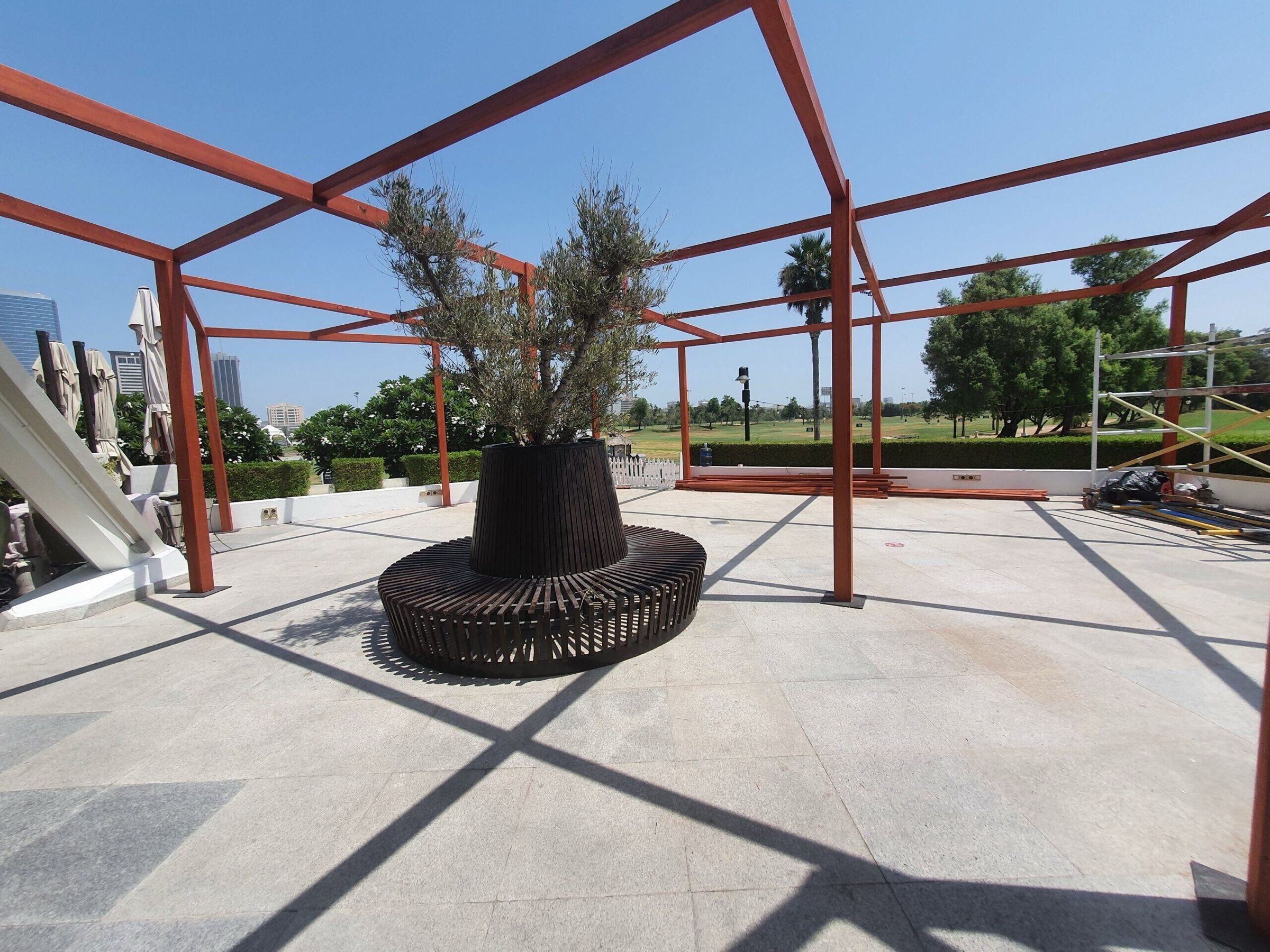
Behind every successful project is a skilled fabrication team. Choosing the right partner can make all the difference.
Look for:
- Experience in both industrial and creative projects
- Strong portfolio in structural fabrication services
- Ability to handle custom metal fabrication
- Expertise in both permanent and temporary structures
The right team doesn’t just build, they understand your vision and bring it to life with precision and care.
Final Thoughts
Fabrication is more than a technical process. It’s the heartbeat of construction and event infrastructure.
It turns raw materials into meaningful spaces. It transforms ideas into experiences people can see, touch, and remember. Whether it’s a towering structure or a vibrant event setup, fabrication quietly shapes the world around us.
When done right, it doesn’t just support a project; it defines it.
FAQs
Q1. What is fabrication in construction?
A: Fabrication in construction involves creating structural components like steel beams and frameworks that are assembled to build strong and durable structures.
Q2. How is event fabrication different from construction fabrication?
A: Construction fabrication focuses on permanent structures, while event fabrication is often temporary and designed for visual impact and engagement.
Q3. Why is custom fabrication important in events?
A: Custom fabrication allows unique designs that align with a brand’s identity, creating memorable and immersive experiences for attendees.
Q4. What materials are commonly used in fabrication?
A: Common materials include steel, aluminum, wood, acrylic, and composites, depending on the project requirements.
Q5. Can fabrication improve project efficiency?
A: Yes, prefabrication and modular systems help reduce construction time, minimize errors, and improve overall efficiency.
About the author: Humais Waqar, Marketing Head, Purrple Orryx Events. Humais Waqar leads marketing at Purrple Orryx Events, the Dubai corporate event management company, and writes about planning conferences, gala dinners, launches and team events in the UAE.